
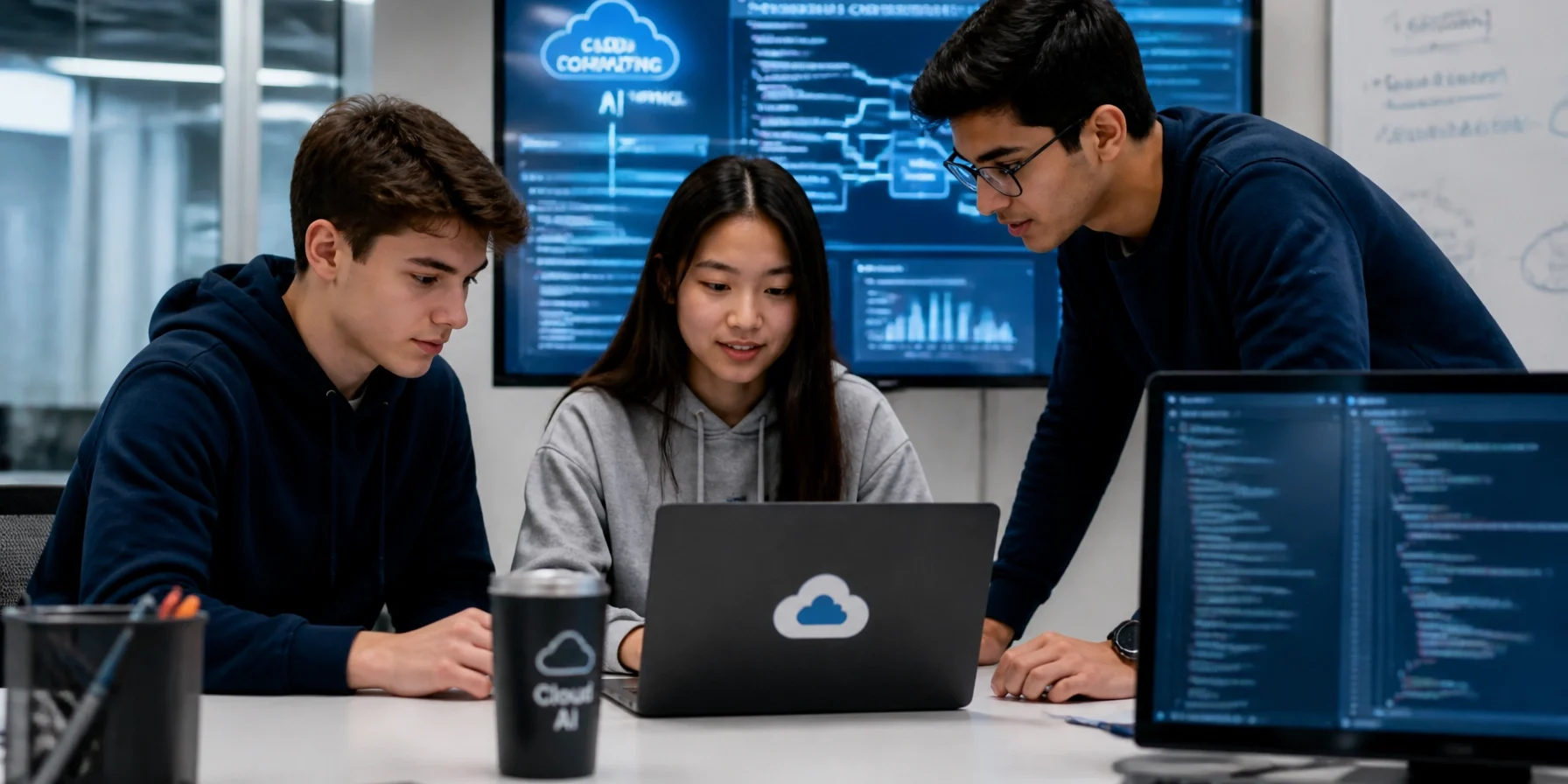
In today’s fast-evolving digital economy, the race for specialized technical talent is more competitive than ever. Organizations across every industry find themselves vying for qualified professionals in Cloud computing, Artificial Intelligence (AI), and Data Analytics. Yet, a persistent hiring bottleneck remains: companies typically enter the talent acquisition cycle at the post-graduate or experienced-hire stage. By the time graduates emerge from universities, demand vastly outpaces supply, driving up acquisition costs and leaving critical roles vacant.
To secure long-term organizational resilience, forward-thinking business leaders and HR professionals are shifting their focus upstream. Engaging with students during their high school years is no longer an optional community relations exercise; it is an essential strategic imperative. Building a robust talent funnel at the high school level allows organizations to shape skill development, align educational outcomes with industry needs, and cultivate brand loyalty long before traditional recruiting channels activate.
As noted by workforce development specialists, early intervention bridges the gap between academic theory and practical application. When companies invest in early outreach, they do more than fill future job openings: they actively participate in economic development and workforce readiness.
The Cost of Waiting: Why Post-Graduate Recruiting Falls Short
Waiting until university graduation or later to source technical talent introduces significant vulnerability. Traditional talent pipelines are congested, reactive, and expensive. When organizations rely entirely on university career fairs or lateral poaching, they inherit fierce competition for a static pool of candidates.
Furthermore, technology stacks evolve faster than standard four-year college curricula can adapt. By the time a university updates its degree requirements for emerging AI frameworks or advanced cloud architectures, industry standards have often shifted. This creates a widening skills gap that onboarding programs struggle to close rapidly.
+---------------------------------------------------------------------------------+
|                         TRADITIONAL VS. UPSTREAM PIPELINE                       |
|                                                                                 |
|  Traditional: [ University Graduation ] ---> [ Intense Competition / High Cost ]|
|  Upstream:    [ High School Outreach   ] ---> [ Custom Skill Alignment / Loyal  ]|
+---------------------------------------------------------------------------------+
By engaging students during secondary education, companies bypass these delays. Early outreach provides an opportunity to introduce foundational concepts in Cloud, AI, and Data Analytics while students are actively forming career interests. Organizations that establish early touchpoints see higher conversion rates, reduced onboarding friction, and employees who possess a deeper, native understanding of the company’s core business model. For more insights on structuring these pathways, explore our guide on how to build a next-gen talent pipeline for cloud and data analytics.
Rethinking Physical Infrastructure and Learning Spaces
Effective high school outreach extends beyond virtual presentations and guest lectures; it requires a thoughtful reconsideration of Physical Infrastructure and learning environments. Traditional classrooms with static seating and outdated desktop computers are ill-equipped for modern Tech Education.

Forward-looking institutions and industry partners are replacing conventional Computer Labs with flexible, collaborative Pods. These modular environments mimic modern agile workspaces, encouraging teamwork, rapid prototyping, and project-based problem solving.
When businesses partner with local schools to upgrade physical learning spaces, students gain hands-on exposure to professional-grade hardware and software environments. This physical transformation mirrors trends explored in our analysis of how pods are replacing college computer labs and creating better project managers, where modern infrastructure directly translates into superior organizational capabilities and adaptable project management skills.
Broadening the Technical Curriculum: From Cybersecurity to Content Creation
A comprehensive talent funnel cannot rely on generic STEM programs alone. To meet modern enterprise demands, high school outreach initiatives must introduce specialized tracks that reflect the multidisciplinary nature of today's workforce.

Key technical domains that benefit from early high school engagement include:
- Cloud & Data Analytics: Introducing foundational data literacy, SQL queries, and basic cloud storage architecture helps students understand how modern organizations process and derive value from information.
- Cybersecurity: With digital threats escalating globally, early education in network security principles, threat identification, and ethical hacking builds a security-first mindset.
- Logistics & Digital Supply Chains: Modern enterprise operations rely heavily on automated supply chain management and predictive analytics, making logistics technology a vital area of study.
- Content Creation: In an era dominated by digital communication, technical content creation, UI/UX design, and digital media production are critical competencies that bridge technical systems with end-user experiences.
By exposing students to this diverse spectrum of disciplines, companies ensure that future applicants possess not only technical depth but also cross-functional versatility.
Actionable Steps for Modern Organizations
Integrating high school outreach into an existing corporate strategy requires deliberate planning and consistent execution. Business leaders do not need to build entire school systems from scratch; instead, they can leverage structured frameworks and community partnerships.

Here are practical ways organizations can begin connecting with high schools today:
1. Establish Curriculum Advisory Partnerships
Partner with local school districts and Career and Technical Education (CTE) programs to review and advise on curriculum. Ensure that course materials reflect current industry standards in cloud computing, data analysis, and infrastructure management.
2. Sponsor Collaborative Workspaces
Invest in upgrading school facilities by sponsoring modular tech pods or furnishing modern collaborative workspaces. Providing access to professional tools demonstrates a tangible commitment to community education and student success.
3. Implement Mentorship and Work-Based Learning
Design structured mentorship programs where engineering and data analytics professionals commit a few hours per month to guide student project teams. Pair mentorship with high school internships or job-shadowing opportunities that provide real-world context.
4. Support Micro-Credentials and Certifications
Encourage students to pursue foundational industry certifications: such as introductory cloud practitioner badges or basic data analytics credentials. Sponsoring these exams gives students an immediate professional credential upon graduation.
To learn more about how our consulting approach supports organizational growth and workforce alignment, visit our services page.
Looking Ahead: The Long-Term Return on Investment
The benefits of early high school outreach extend far beyond immediate recruitment metrics. Organizations that invest in next-generation talent funnels help cultivate a technologically literate workforce while securing a reliable, high-quality pipeline of future professionals.

As industries continue to automate and embrace advanced cloud and AI paradigms, the organizations that thrive will be those that established deep roots in their educational communities early on. By bridging the gap between industry and secondary education today, businesses can ensure sustained innovation, resilience, and growth for decades to come.





