
For decades, the "computer lab" was the undisputed heart of technology education. It was a room defined by rows of uniform beige desks, tangled ethernet cables, and general-purpose PCs that were often obsolete by the time the next semester rolled around. However, as the digital economy shifts toward hyper-specialization: ranging from advanced cybersecurity to global logistics management: the traditional, static computer lab is struggling to keep pace.
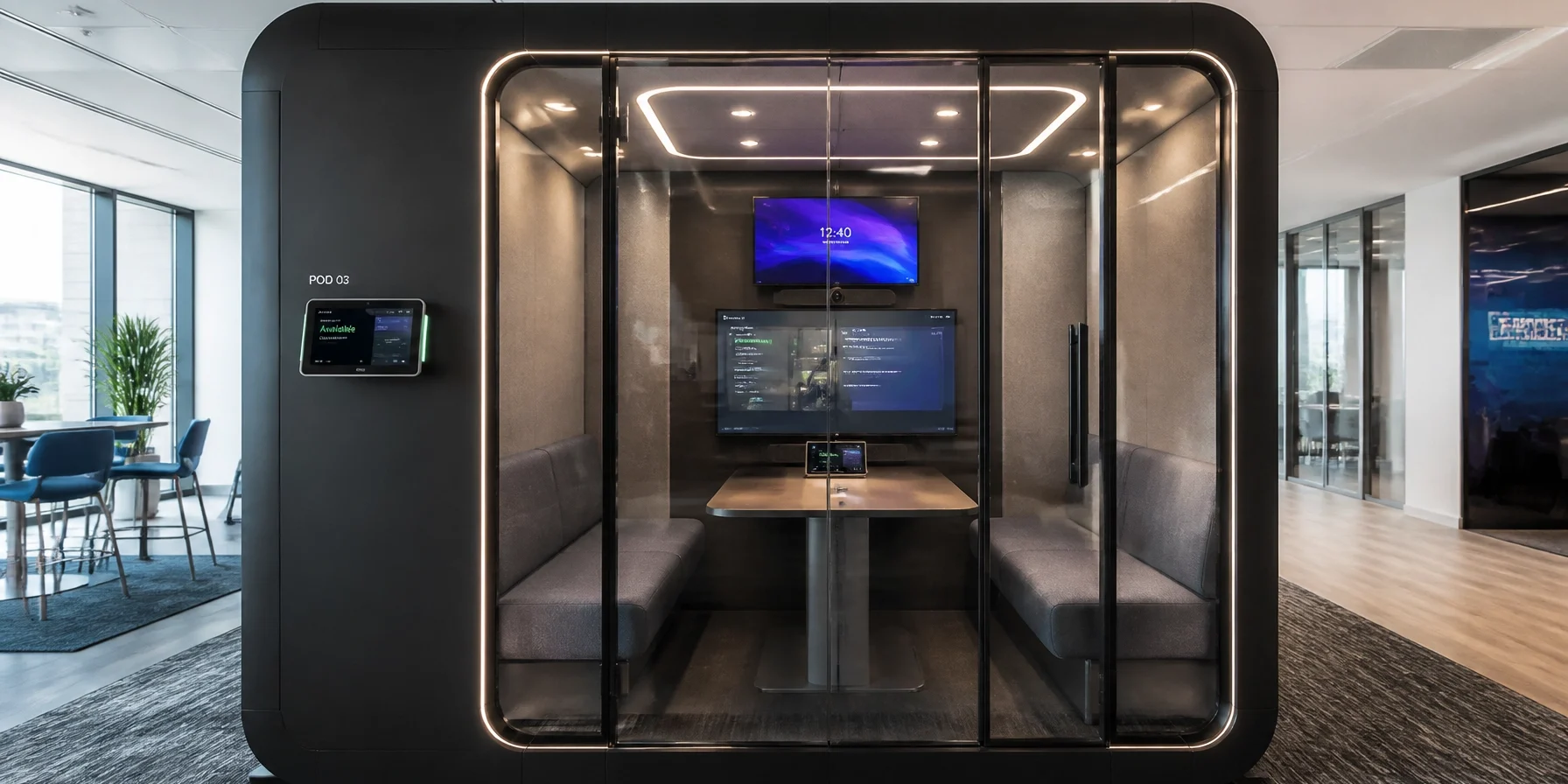
The industry is currently witnessing a significant shift toward pod-based physical infrastructure. These modular, self-contained units are replacing the old-school lab model, offering a level of flexibility and career-alignment that stationary facilities simply cannot match. By integrating high-performance computing, specialized peripherals, and isolated network environments into a single footprint, pods are modernizing how we prepare the next generation of technical professionals.
The Evolution of Learning Environments
The fundamental problem with traditional computer labs is their inherent lack of flexibility. These rooms are built for general-purpose tasks: word processing, web browsing, and basic coding: but they lack the high-fidelity environments required for professional-grade training. In contrast, pods are mission-specific.
A pod is not merely a desk with a computer; it is a standardized, career-focused training environment. According to recent infrastructure studies, institutions transitioning to modular pods report a 21% reduction in deployment time and significant improvements in student engagement. While a traditional lab requires months of architectural planning and invasive electrical work, a pod can be deployed and operational in a matter of weeks.

Cybersecurity: The Need for "Sandboxed" Security
In the realm of cybersecurity, the traditional computer lab is often a liability. Modern cyber training requires "live-fire" exercises: scenarios where trainees can practice defense and response against actual malware or network intrusions. Running these exercises on a general campus network is risky and often forbidden by IT security policies.
Modular pods solve this by providing sandboxed, air-gapped environments. A cybersecurity pod, such as those being explored for DoD SkillBridge recruitment and specialized training, allows for isolated network experimentation. Trainees can experience a full Security Operations Center (SOC) environment, monitoring multi-screen threat feeds and practicing incident response without any risk to the host institution’s primary network. This physical isolation is crucial for high-fidelity training that mirrors the professional environments of top-tier security firms.
Logistics and the "Digital Twin" Workflow
Logistics and supply chain management have also moved far beyond the spreadsheet. Today’s logistics professionals manage global networks using complex Warehouse Management Systems (WMS) and real-time data visualizations.
Pod-based infrastructure allows educational institutions to create logistics digital twins. Inside a specialized pod, a student can interact with the exact hardware and software configurations used by global logistics providers. From dual-monitor setups for tracking shipments to integrated RFID scanners, pods provide an immersive environment that simulates a professional control room. This removes the "learning gap" that occurs when students transition from a theoretical classroom setting to a high-pressure distribution center.

Content Creation and the Esports Connection
The rise of the "creator economy" and the massive growth of competitive gaming have created a demand for high-end hardware that few individual students: or traditional labs: can provide. Specialized pods, such as the E-Sports Pod developed by USA Entertainment Ventures LLC, address the need for performance and fairness.
These pods are designed with high-end GPUs and professional-grade peripherals that support resource-intensive tasks like 4K video editing, 3D rendering, and professional gaming. By standardizing the equipment, organizations can ensure a level playing field for competitions while simultaneously providing students with the tools required for careers in digital media and content creation.

Strategic Advantages of Modular Infrastructure
The shift toward pods is driven by three primary factors: cost-efficiency, reliability, and professional priming.
- Cost Efficiency: While the initial hardware in a pod may be high-end, the overall infrastructure costs are often 30% to 75% lower than maintaining traditional labs. This is because pods avoid the need for major building renovations and can be scaled incrementally as enrollment grows.
- Reliability: Many modern pods utilize a hybrid architecture, where core computing resources remain local, while cloud connectivity is used for data syncing. This ensures that training can continue even if the broader network experiences a flicker or outage.
- Professional Priming: Environment matters. A traditional lab signals "school," while a specialized pod signals "work." Immersing students in a professional environment primes them for the standards and collaboration expected in the modern workforce.
Looking Forward: A Modular Future
As we look toward the future of technical education and business development, the "one-size-fits-all" approach is rapidly becoming a relic of the past. The demand for specialized talent in cybersecurity, logistics, and digital media requires a physical infrastructure that is as dynamic as the industries themselves.
By adopting pod-based systems, institutions are not just upgrading their equipment; they are modernizing their entire approach to career readiness. These modular hubs provide a scalable, cost-effective, and high-performance gateway to the professional world, ensuring that the next generation of experts is trained on the tools they will actually use in the field.





