
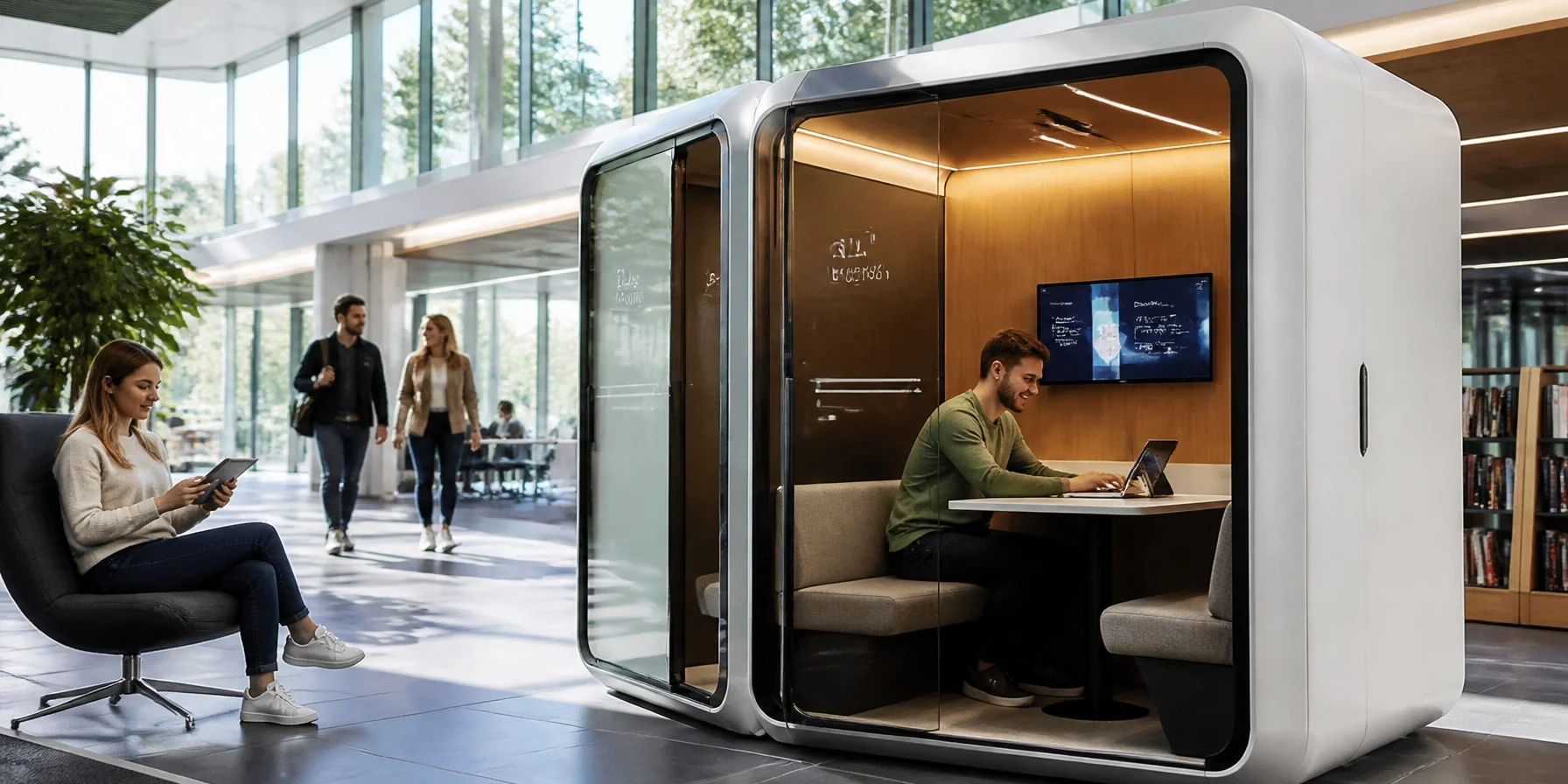
Remember the traditional college computer lab? Row upon row of identical, humming gray desktop towers, fluorescent lights buzzing like angry hornets, and the unmistakable collective aroma of caffeine and impending academic doom. It was a staple of late-90s and 2000s education. But times change, and so does the physical infrastructure of how we learn and work.
Today, those monolithic rooms are stepping aside for something far sleeker, smarter, and infinitely more adaptable: tech pods.
If you haven’t encountered one yet, you’re in for a treat. Pod-based spaces are rapidly replacing old-school computer labs, revolutionizing tech education, and giving students a sneak peek into actual professional environments long before they graduate. Let’s dive into why these self-contained micro-universes are taking over campus real estate.
What on Earth is a Tech Pod?
At its core, a tech pod is a purpose-built, modular workspace that arrives ready to assemble: or drops right into existing open-concept spaces like a well-designed Lego brick. Unlike a traditional lab that requires tearing down drywall and rewiring an entire wing, pods are self-contained micro-environments equipped with integrated power, smart displays, high-performance computing, and acoustic dampening.
Think of them less like "computer rooms" and more like professional-grade ecosystems. They offer sound isolation, visual privacy, and hyper-focused tech setups that can be reconfigured or expanded without triggering a massive capital renovation project. As explored in our discussion on physical infrastructure in a digital world, modern learning requires agility: and pods deliver that in spades.
Old-School Labs vs. Modern Pods: The Great Upgrade
Why are institutions ditching the classic computer lab? It boils down to flexibility, cost, and realism.
1. The Inflexibility Trap
In an old-school lab, upgrading hardware meant an all-or-nothing overhaul. If you wanted to transform a standard PC lab into a specialized cybersecurity sandbox, you had to take the entire room offline for weeks, rewrite electrical specs, and pray nothing broke. Pods, on the other hand, let institutions scale incrementally. Need a new specialized workstation? Just add a pod.
2. Death to Distractions
Open computer labs are noisy, chaotic social hubs where focusing on complex code or data analysis is roughly as easy as meditating at a heavy metal concert. Pods provide acoustic isolation (often blocking out up to 30 dB of ambient noise), creating distraction-free zones. Research into quiet study environments shows that minimizing sensory distractions can boost productivity and test performance by 15–20%.
Powering the Next Generation of Tech Careers
The real magic of pods isn't just that they look cool: it's how they bridge the gap between classroom theory and real-world careers. Instead of generic word-processing setups, modern pods are tailored to high-demand industries like logistics, cybersecurity, and digital content creation.

Logistics Pods: Mission Control for the Supply Chain
Global supply chain management isn't run on a single laptop in a dorm room. It requires navigating complex, multi-variable dashboards in real time. Logistics pods simulate actual corporate control rooms, featuring triple-monitor arrays, live global tracking feeds, and interactive touch interfaces. Students practice rerouting cargo, managing inventory fluctuations, and troubleshooting bottlenecks in environments that mimic global shipping hubs.
Cybersecurity Pods: The Safe Sandbox
Teaching cybersecurity in a traditional lab is risky business: one misplaced script and the entire campus network could go down in flames. Cybersecurity pods solve this by functioning as isolated, sandboxed mini Security Operations Centers (SOCs).

Equipped with dedicated enterprise-grade hardware and firewalls, these pods give students a safe arena to run Red Team versus Blue Team drills, analyze malware, and practice incident response. They get authentic, high-stakes experience without putting institutional data at risk.
Content Creation Pods: Studios in a Box
The creator economy is booming, yet many media programs still rely on outdated editing suites. Content creation pods pack professional broadcast microphones, dual-monitor video editing setups, and acoustic treatment into compact studios.

Students step inside to record podcasts, produce video essays, or livestream immersive media, training directly on professional-grade tools that reflect modern media production standards.
The Bottom Line
Physical infrastructure matters now more than ever. As technology evolves at a breakneck pace, educational and corporate spaces must keep up without requiring endless construction dust and drained budgets.
By swapping out rigid, outdated computer labs for modular, purpose-built pods, institutions are creating agile training grounds. Whether students are tracking global supply chains, defending against simulated cyber attacks, or editing the next big podcast, pods provide the realistic, focused environments needed to turn theory into action.
The future of tech education isn't a room full of computers: it's a network of smart pods ready for whatever career comes next.





