
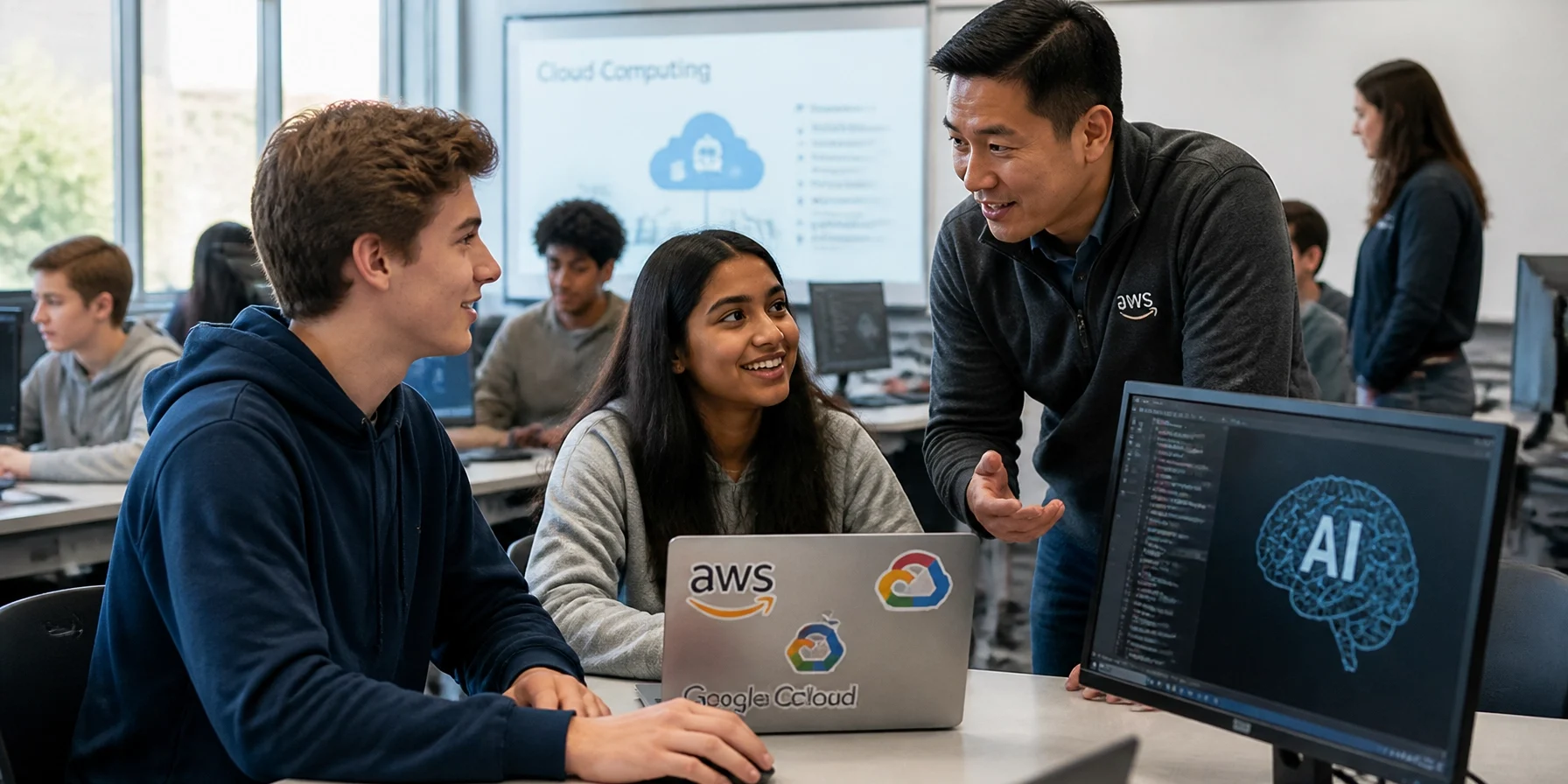
In the hyper-competitive landscape of modern enterprise, talent acquisition is no longer a reactive human resources function: it is a strategic imperative. As organizations accelerate their digital transformations, the demand for specialized expertise in Cloud computing, Artificial Intelligence (AI), and Data Analytics continues to outpace supply. For years, executive leadership and HR teams have focused their recruitment efforts on university campuses, competing fiercely for top graduates during their junior and senior years.
However, emerging workforce data and industry observations suggest a fundamental shift in strategy is long overdue. By the time a student reaches university upperclassman status, their career preferences, major selections, and professional identities are largely cemented. Companies waiting at college graduation stages are arriving late to a race that has already been decided years prior.
To secure a sustainable competitive advantage, forward-thinking organizations are redefining the recruitment lifecycle, moving their talent funnels upstream to engage high school students before collegiate paths are chosen. This first-mover strategy not only captures prospective talent during formative decision-making windows but also establishes deep institutional loyalty long before traditional recruiting begins.
The Flaw of Late-Stage Recruitment: Why Waiting Until Graduation Fails
For decades, the standard playbook for tech recruitment involved career fairs, university partnerships, and internship programs targeted at rising college seniors. While these initiatives remain necessary, relying on them as the primary source of technical talent presents significant structural challenges.
First, the market saturation at the university level is immense. Dozens of enterprises vie for the exact same pool of computer science and data analytics majors, driving up compensation expectations while yielding diminishing returns on engagement. By graduation, candidates are overwhelmed with offers, making differentiation exceptionally difficult for mid-sized enterprises and niche industry leaders.
Second, academic silos often lag behind industry realities. University curricula can take years to update, meaning graduates often enter the workforce needing substantial re-training in modern toolsets, generative AI applications, and cloud-native architectures.
Industry analysts frequently emphasize that professional competencies in emerging technologies are best cultivated through continuous, hands-on exposure rather than condensed cramming during final semesters. Waiting until the finish line forces organizations into a reactive cycle of bidding wars rather than cultivating deliberate, long-term capability.

The "First-Mover Advantage" and Brand Loyalty in Formative Years
Entering the talent funnel at the high school level introduces a powerful psychological and strategic advantage: brand loyalty rooted in mentorship and discovery.
When a young student is first introduced to the possibilities of machine learning, cloud elasticity, or complex data architecture, the organization that provides that spark leaves an indelible impression. Being the enterprise that demystifies advanced technology positions your brand not merely as an employer, but as an educator, mentor, and visionary leader in the field.
Consider the parallels in consumer marketing: brand preference is established early. The same principle applies to employer branding. When high school students interact with professionals through structured workshops, mentorship programs, or collaborative challenges, they develop an organic affinity for that company’s culture and mission.
By the time these students evaluate post-secondary education options or vocational pathways, your organization is already top-of-mind. This early touchpoint creates a proprietary pipeline: a dedicated segment of emerging talent predisposed to intern with, learn from, and eventually join your enterprise. Competitors arriving at university recruitment fairs months or years later simply cannot replicate the depth of a relationship built during formative high school years.
Constructing the Pre-Qualified Pipeline: Infrastructure, Labs, and Labs-On Experience
Building an effective pre-college talent funnel requires deliberate investment in local educational ecosystems. Modern Tech Education initiatives go beyond passive guest lecturing; they involve tangible collaboration that integrates real-world tools into academic settings.
Organizations can support schools by helping modernize Computer Labs, providing access to cloud sandbox environments, and supporting the underlying Physical Infrastructure required for advanced coursework. When students interact with actual server Pods, network architectures, and cloud consoles, abstract theoretical concepts transform into concrete engineering skills.
Furthermore, integrating real-world scenarios across diverse operational domains enriches the learning experience. For instance, analyzing performance data in high-tech Logistics networks, addressing security vulnerabilities through simulated Cybersecurity exercises, or managing digital assets in modern Content Creation workflows demonstrates the cross-industry applicability of Cloud, AI, and Data Analytics.
By grounding technical concepts in tangible business operations, students understand precisely how their future skills solve real-world problems. For HR teams, this means engaging with candidates who already possess foundational fluency, reducing onboarding friction and accelerating time-to-productivity upon eventual hire.

Actionable Pathways: How Organizations Can Start Today
Establishing a high school talent pipeline does not require an immediate, multi-million-dollar philanthropic commitment. Enterprises can begin with scalable, highly impactful initiatives:
1. Partnering with Career and Technical Education (CTE) Programs
Most regional school districts operate Career and Technical Education pathways focused on IT, engineering, and digital media. Partnering with local CTE directors allows your engineering and HR leaders to review curricula, advise on industry standards, and offer guest instruction that aligns classroom learning with actual market demands.
2. Sponsoring Cloud Certification Prep
Provide sponsorship or free licenses for foundational cloud and data analytics certification courses (such as AWS Educate, Google Cloud training, or Microsoft Azure fundamentals) for high school juniors and seniors. Earning a recognized credential before high school graduation gives students an extraordinary head start and ties your company’s name directly to their first major professional milestone.
3. Hosting Specialized Capstone Challenges
Collaborate with local schools to sponsor biannual challenges where students use basic data analytics or AI tools to solve community or business problems. Employee volunteers can serve as mentors, guiding teams through data collection, analysis, and presentation phases while identifying standout problem-solvers early.
4. Implementing Micro-Internships and Job Shadow Days
Offer structured, short-duration job shadowing or summer micro-internships tailored for high school seniors. These programs demystify daily corporate life and give young professionals an authentic look at what careers in enterprise technology entail.
Looking Forward: Securing Tomorrow’s Workforce
The transition from a reactive university recruitment model to an early-engagement talent funnel represents a paradigm shift for business leaders and HR professionals alike. By investing in the foundational years of tech education, organizations transcend the crowded noise of traditional campus recruiting.
Building relationships with students before they choose their college majors or vocational tracks secures a defensible first-mover advantage. It transforms talent acquisition from a transactional hiring process into a mission-driven community investment.
As the digital economy continues to evolve, the enterprises that thrive will not be those that simply outbid competitors for graduating seniors, but those that planted the seeds of curiosity, capability, and loyalty years before graduation day.

To learn more about structuring effective organizational strategies and navigating modern workforce development, visit USA Entertainment Ventures.





