
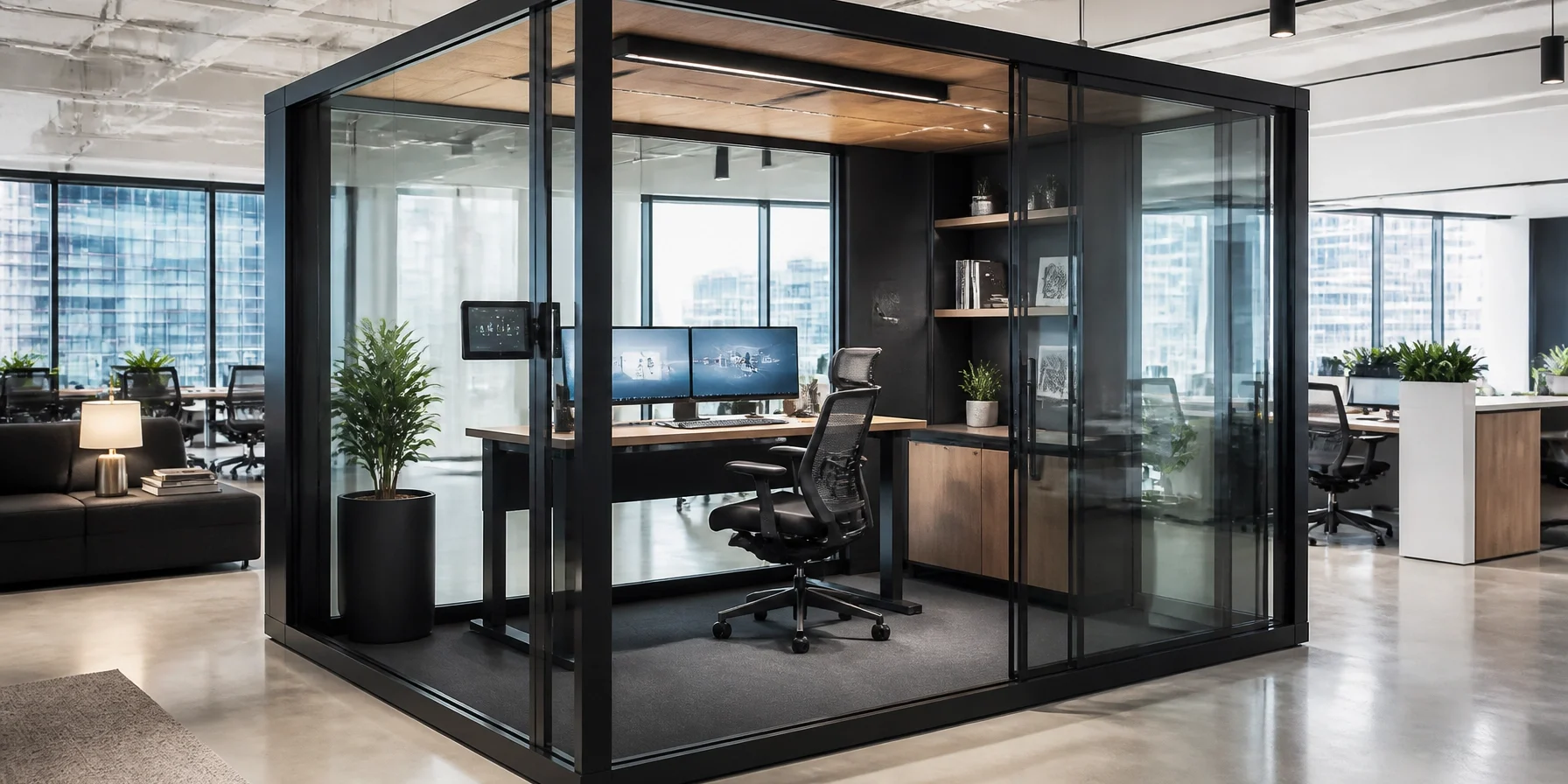
For decades, the "computer lab" was the heartbeat of technical education and professional development. It was a room defined by rows of identical beige towers, tangled nests of Ethernet cables, and the persistent hum of oversized cooling fans. However, as we move deeper into 2026, the traditional computer lab is increasingly being viewed as a relic of a bygone era.
The digital landscape has shifted from general-purpose computing to highly specialized, high-stakes environments. From the front lines of cybersecurity to the intricate coordination of global logistics, the broad-access model of the traditional lab is being replaced by a more agile, modular solution: the Pod.
At USA Entertainment Ventures LLC, we have observed that the most successful workforce strategies are those that move away from static infrastructure in favor of these specialized hubs. Whether you are building a next-generation talent funnel or transitioning veterans through programs like DOD SkillBridge, understanding the "Pod" revolution is critical to staying competitive.
The Evolution of the Workspace: From General to Specialized
The decline of the computer lab isn't a sign that technical training is fading; rather, it’s a sign that training has become too complex for a one-size-fits-all room. Modern careers in logistics, tech, and content creation require more than just "internet access." They require specialized hardware, acoustic isolation, and secure, sandboxed environments.
Industry experts suggest that modular pods: self-contained, often sound-treated and climate-controlled mini-suites: are up to 75% more cost-effective than building out full-scale traditional labs. This efficiency stems from their scalability. Instead of a multi-million dollar renovation for a 30-person lab, organizations can deploy pods incrementally, precisely where and when they are needed.
Cybersecurity: Building a Digital Fortress
In the realm of cybersecurity, the traditional lab environment actually presents a liability. Training for modern threats often involves "live" malware and simulated network attacks. In a shared network environment, a single mistake can lead to a "malware escape," potentially compromising the entire institutional network.

"Running high-intensity cyber exercises in a shared lab is akin to playing with matches in a fireworks factory," notes one senior security consultant. Pods solve this by providing an isolated "sandbox." Whether physical or virtual, these pods allow learners to:
- Run aggressive network attacks without risk to the main infrastructure.
- Simulate multi-layered enterprise networks within a single workstation.
- Reset the entire environment to a "clean state" with a single click.
This level of realism is essential for preparing the next generation of defenders. For more on how this impacts organizational resilience, see our guide on workforce strategy and data-driven fixes.
Logistics and Supply Chain: The Command Center Pod
The logistics industry has undergone a radical transformation. It is no longer just about moving physical goods; it is about orchestrating a vast, intelligent infrastructure of data, sensors, and remote assets.
Modern logistics professionals often operate more like air traffic controllers than warehouse managers. They need environments that simulate a "Control Room" or a "Remote Operations Center" (ROC).

Modular pods act as "nodes" in this simulated network. A student in a pod might be responsible for managing a fleet of autonomous delivery vehicles or monitoring the cold-chain integrity of a pharmaceutical shipment halfway across the world. This distributed model of learning mirrors the actual distributed nature of global supply chains. By training in a pod, workers become accustomed to the "remote-first" management style that is now standard in Fortune 100 logistics operations.
Content Creation: The New Studio Standard
The rise of the "Creator Economy" has turned content creation into a core business skill. Marketing, corporate communications, and internal training now rely heavily on high-quality video and audio production.
Traditional computer labs are notoriously loud and poorly lit: the antithesis of a productive studio environment. Pods, however, are designed with acoustics in mind.

A content pod provides:
- Acoustic Treatment: Eliminating background noise and echo for professional-grade audio.
- Integrated Hardware: Pre-configured with 4K cameras, ring lights, and boom microphones.
- Dedicated Processing Power: High-end GPUs specifically for 4K video rendering and 3D modeling, which would overwhelm a standard lab computer.
By providing these "mini-studios," organizations empower their teams to produce portfolio-grade content that drives brand loyalty and engagement.
Bridging the Gap: DOD SkillBridge and Career Transitions
One of the most significant applications for this new infrastructure is in veteran recruitment and transition. At USA Entertainment Ventures LLC, we focus heavily on DOD SkillBridge recruitment, helping service members move from military roles into high-tech civilian careers.
The transition from a structured military environment to a corporate tech role can be jarring. Pods provide a "middle ground": a focused, mission-oriented workspace that replicates the intensity of a military operations center while training for civilian logistics or cybersecurity roles. It’s about creating a talent funnel that values precision and specialized skills.
The Hybrid Future: Labs as Hubs, Pods as Spokes
Does this mean the computer lab is completely dead? Not exactly. The lab is evolving into a "Flexible Hub." The future of the workspace is a hybrid model: an open, collaborative area for brainstorming and lectures, surrounded by specialized pods for deep, technical work.

This "Hub and Spoke" model balances the need for social learning with the requirement for technical isolation. It allows for a workforce that is both collaborative and highly specialized.
Actionable Takeaways for Your Organization
If your organization is still relying on the 2010-era computer lab model, it is time to reconsider your infrastructure. Here are three practical steps to start the transition:
- Identify High-Impact Use Cases: Determine which departments require the most focus or specialized gear (e.g., your security team or your marketing video editors).
- Pilot a Modular Unit: Instead of a full floor renovation, install a single modular pod to test its impact on productivity and employee satisfaction.
- Align with Career Pathways: Ensure your physical infrastructure matches the career trajectories of your employees. If you are hiring for remote logistics, your training should happen in an environment that simulates remote operations.
The shift from labs to pods is more than a change in furniture; it is a change in how we value focused, specialized work. To explore how these trends fit into your broader business goals, visit our detailed breakdown of why pods are the new computer labs.
The future of tech and logistics isn't happening in a row of beige towers. It's happening in the pod.





