
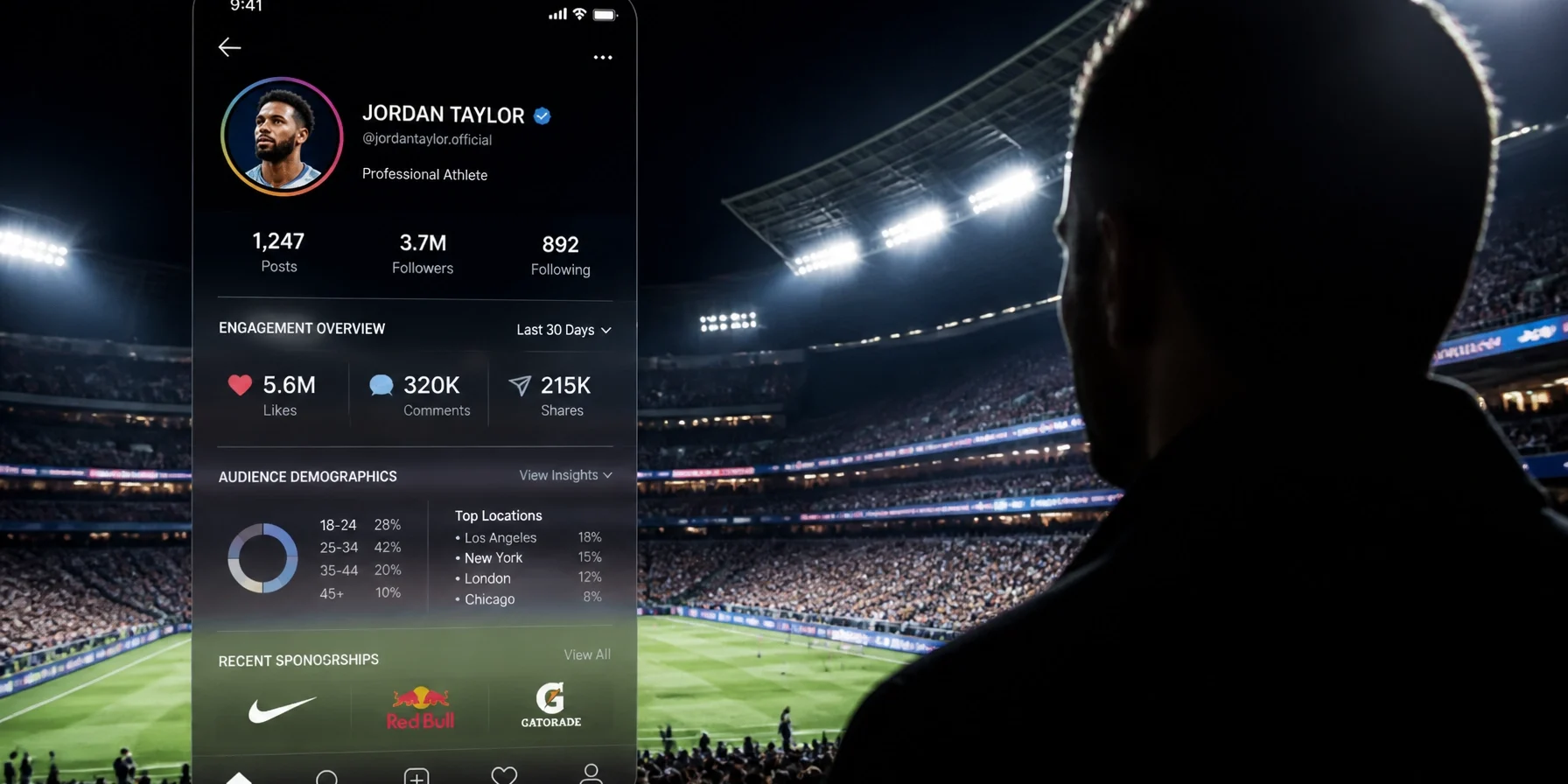
For decades, the Super Bowl has served as the undisputed pinnacle of American advertising. It was the one moment of the year when the entire nation: and a significant portion of the global market: tuned in simultaneously, offering brands a rare opportunity for mass exposure. However, as we approach the 2026 season, a fundamental shift is occurring within the marketing departments of Fortune 100 companies. The question is no longer just how to secure a 30-second spot, but whether that multi-million dollar investment still yields the best return on investment (ROI).
The answer, increasingly, lies in the Name, Image, and Likeness (NIL) revolution. While traditional television spots offer broad reach, they often lack the precision, longevity, and measurable engagement that modern data-driven brands require. Today, industry leaders are reallocating significant portions of their "Big Game" budgets toward NIL platforms, leveraging the authentic voices of thousands of student-athletes to create a more decentralized, yet more impactful, brand presence.
The Staggering Cost of Tradition
The financial barrier to entry for a traditional Super Bowl advertisement has reached unprecedented heights. For the upcoming cycles, media buyers are quoting between $7 million and $10 million for a single 30-second window. When factoring in high-tier production costs, celebrity talent fees, and the necessary secondary media spend to amplify the spot, a single campaign can easily exceed $20 million.
For Fortune 100 brands, the concern isn't necessarily the capital: it is the efficiency. Traditional broadcast advertising is a "one-and-done" event. Once the whistle blows to end the fourth quarter, the immediate impact begins to fade. Furthermore, the ability to track direct conversions from a linear television ad remains notoriously difficult compared to digital-first strategies.
In contrast, the NIL ecosystem is projected to surpass $2.5 billion by 2026. This growth is driven by the realization that the same $10 million spent on a single TV spot could instead fund hundreds of hyper-targeted partnerships with athletes who possess deep, organic connections with their respective fan bases.

The Rise of the NIL Platform: Precision over Broadness
The shift toward NIL is not merely a cost-saving measure; it is a strategic pivot toward precision. Traditional ads cast a wide net, reaching millions who may have no interest in the product. NIL platforms, such as those managed by USA Entertainment Ventures LLC, allow brands to segment their audience by geography, sport, school, and even specific athlete demographics.
Recent data indicates that niche sports are seeing the highest growth in engagement. For instance, volleyball NIL deal values grew by 146% year-over-year, providing an efficient gateway for brands to reach highly engaged, community-focused audiences at a fraction of the cost of a mainstream broadcast.
Why NIL 2.0 Changes the Game
We have moved beyond the "Wild West" era of early NIL deals. The "NIL 2.0" landscape, catalyzed by the 2025 House settlement, has brought structural scale and regulatory clarity. Schools are now moving toward direct revenue-sharing models, and professionalized platforms have emerged to handle compliance, deal discovery, and performance metrics.
For a Fortune 100 brand, this means NIL is now a "safe" and scalable enterprise channel. Platforms today offer:
- Verified Conversions: Direct tracking from athlete content to sales.
- Scale: The ability to activate 20,000+ athletes through a single interface.
- Predictive Modeling: Using fan sentiment and historical data to forecast campaign success.
Data-Driven Authenticity: The New Marketing Currency
One of the most significant advantages of NIL over traditional advertising is authenticity. Modern consumers, particularly Gen Z and Millennials, are increasingly skeptical of "over-produced" corporate messaging. They value peer-to-peer recommendations and the "creator-style" content that student-athletes provide.
According to industry reports, national brands now account for over 60% of total NIL deal value. These companies recognize that a student-athlete isn't just a spokesperson; they are a community leader. When an athlete shares a brand's message, it carries the weight of a personal recommendation rather than a corporate mandate. This "authentic voice" is what defines culture for the next generation of consumers.

Bridging the Gap: The Hybrid Strategy for 2026
It is important to clarify that traditional Super Bowl ads are not literally "dead": rather, their role has evolved. The most successful Fortune 100 strategies for Super Bowl 2026 will not choose one over the other; they will integrate both.
In this hybrid model, the traditional TV spot serves as the "tentpole": the massive awareness driver: while NIL platforms provide the "connective tissue" that sustains the campaign throughout the year. By activating athletes before, during, and after the game, brands can turn a one-day event into a multi-month engagement cycle.
As highlighted in our ultimate guide to NIL platforms, the goal is to "win" the Super Bowl by owning the digital conversation surrounding it.
Insights from USA Entertainment Ventures
At USA Entertainment Ventures LLC, led by conservation marketing expert Dan Kost, we specialize in managing these complex transitions. Our focus on business development and recruitment: including our work with the DOD Skill Bridge program: has given us a unique perspective on talent management and brand positioning.
The following video explores how Sports Media (a division of our broader ecosystem) is redefining the fan experience and the athlete-brand relationship for the upcoming Super Bowl cycle:
As noted in the presentation, the key is to "bridge the gap" between the brand and the 20,000+ authentic voices that define modern sports culture. Whether through the Sporttron digital network in 780+ venues or targeted NIL activations, the objective is to prove ROI through predictive modeling and fan sentiment analysis.
Actionable Takeaways for Fortune 100 Brands
For CMOs and marketing directors looking to optimize their 2026 spend, we recommend the following strategic shifts:
- Reallocate Incremental Budget: Shift a portion of the "extended media" budget (the funds usually used to boost a TV ad) directly into an NIL pilot program.
- Focus on Performance Metrics: Utilize platforms that offer verified conversion data rather than just "impressions." Demand transparency in athlete engagement rates.
- Leverage Out-of-Home (OOH) Synergy: Pair NIL digital content with physical brand presence at the event. For more on this, see our guide on OOH mastery at Super Bowl 2026.
- Prioritize Longevity: Move away from "event-only" thinking. Build year-round relationships with athletes to create a consistent brand narrative that culminates at the Big Game.

Conclusion: A New Era of Influence
The landscape of sports marketing is undergoing its most significant transformation since the invention of the television. The rise of NIL platforms represents a democratization of influence, where the power to move markets is distributed among thousands of authentic creators rather than a few dozen celebrity endorsers.
For Fortune 100 brands, the pivot to NIL is a logical progression toward a more efficient, measurable, and authentic future. By integrating the massive reach of the Super Bowl with the precision of NIL platforms, companies can ensure they are not just "advertising," but truly dominating the arena of modern commerce.
As we look toward the future, the brands that embrace this decentralized model will be the ones that define the next generation of consumer loyalty. At USA Entertainment Ventures LLC, we remain committed to guiding our partners through this revolution, ensuring that every dollar spent translates into a tangible, lasting fan experience.





