
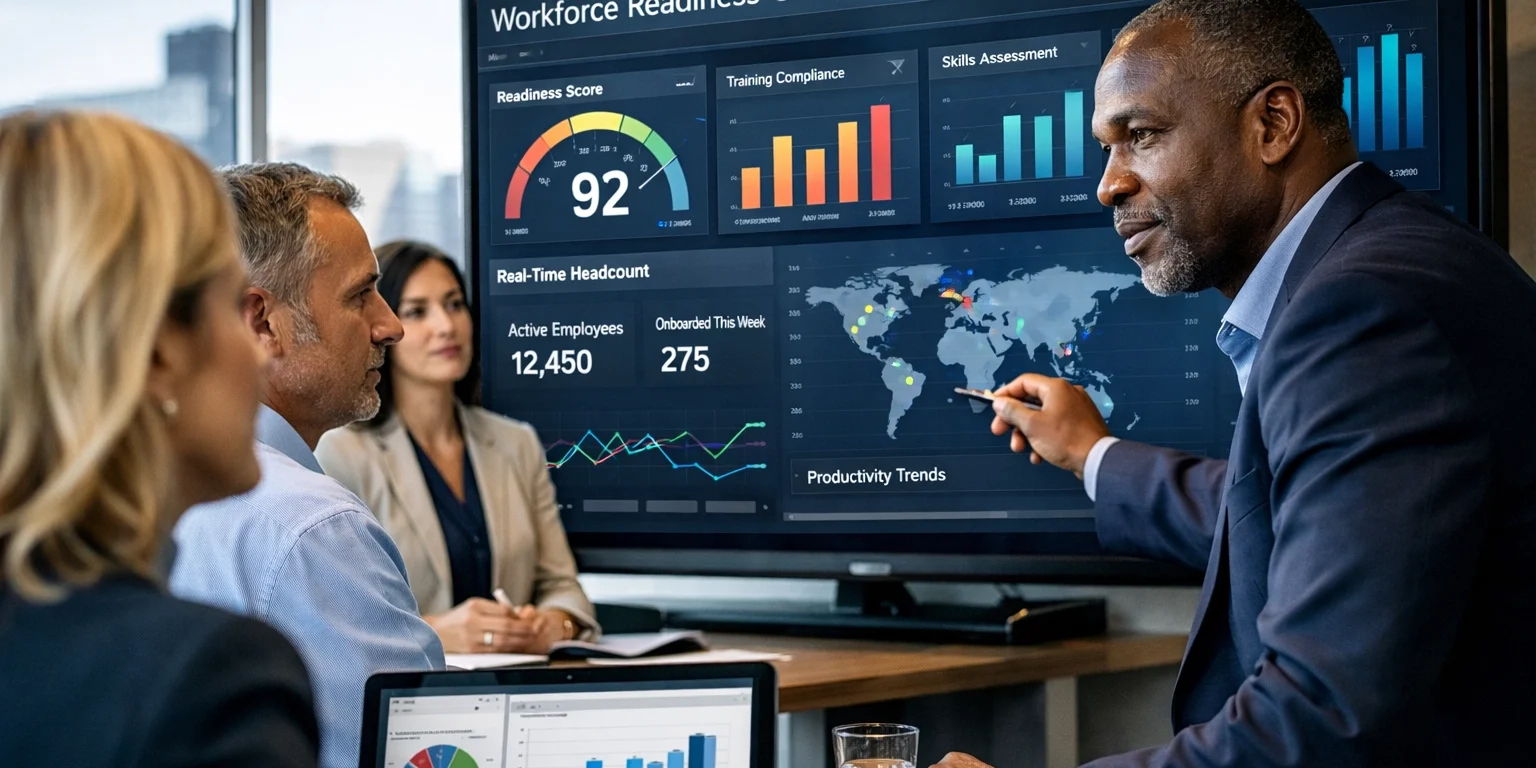
In the high-stakes environment of Fortune 100 leadership, the "gut feeling" is a relic of the past. Today is Tuesday, March 10, 2026, and as you open your morning briefing, the most critical data point isn't just your quarterly earnings or your supply chain logistics. It is your workforce readiness pipeline.
For decades, CEOs and COOs relied on lagging indicators: resumes, university prestige, and static GPAs: to predict who would lead their companies into the future. But the landscape has shifted. We have entered an era where traditional hiring metrics have become unreliable predictors of workplace success. To bridge this gap, top-tier executives are turning to real-time data analytics dashboards to monitor "Future Ready" talent long before those individuals ever step foot into an interview room.
At USA Entertainment Ventures LLC, we see this shift every day. Business consulting is no longer just about optimizing current operations; it is about forecasting the human capital of tomorrow.
The Blind Spot in Traditional Hiring
The traditional pipeline is broken. Research shows that honors degrees and polished interview performances no longer correlate directly with workplace effectiveness. In fact, many high-achieving graduates struggle with the very basics of modern corporate life: digital collaboration, media literacy, and the ability to critically evaluate information in an AI-saturated world.
This disconnect has escalated from a simple HR headache to a primary board-level priority. When a new hire fails to integrate or lacks the necessary digital soft skills, the cost isn't just their salary: it’s the lost productivity and the ripple effect on the entire team.

Fortune 100 executives have realized that they cannot wait until a candidate graduates to assess their potential. They need to see the "operational indicators" of readiness in real-time. This is where the dashboard revolution begins.
What Modern Dashboards Are Actually Measuring
If you aren't looking at a dashboard that tracks workforce readiness, you’re flying blind. But what exactly are these executives tracking? It isn't just "grades." The new metrics focus on patterns of behavior and competency that predict long-term success.
1. Digital Engagement Patterns
Traditional education measures what you know. Modern analytics measure how you work. Dashboards now track real-time participation in digital environments, the depth of collaboration in remote settings, and the speed of technology adoption. This data reveals who is a passenger and who is a driver in a digital-first economy.
2. Media Literacy Outcomes
In 2026, media literacy is a hard skill. Executives are using dashboards to measure how effectively potential recruits can source, verify, and synthesize information. With the explosion of synthetic media and deepfakes, a workforce that cannot distinguish fact from sophisticated fiction is a liability. Programs that emphasize media literacy outcomes are becoming the gold standard for "Future Ready" schools.
3. NIL Education Acumen
The rise of Name, Image, and Likeness (NIL) education has created a new breed of "professional students." Originally designed for athletes, NIL education has evolved into a broader framework for personal branding, contract literacy, and financial responsibility. Executives track these outcomes because a student who understands their own "brand" and financial footprint is far more likely to understand corporate brand stewardship.
By using tools like Money Smart and Money Smart TV, schools are producing students who are essentially "pre-onboarded" for the professional world.
The Measurable ROI of Real-Time Tracking
Data is only as good as the results it produces. The move toward real-time analytics isn't just a trend; it's a high-yield investment. According to recent industry research, the business outcomes are staggering:
- Higher Performance: Internal transfers and new hires facilitated through algorithmic matching show 27% higher performance ratings compared to traditional hiring methods.
- Increased Retention: Companies using data-driven HR practices have seen a 50% reduction in attrition rates. When you hire the right fit based on data, they stay.
- Employee Satisfaction: Workers identified through these advanced dashboards report 31% higher job satisfaction. They feel more competent because their skills actually match the role’s requirements.
- Reduced Stress: Automation of repetitive reporting tasks: a core feature of modern dashboards: has led to 65% of workers feeling less stressed, allowing them to focus on high-value creative tasks.
These aren't just "feel-good" numbers. They represent billions of dollars in saved recruitment costs and gains in operational efficiency.

Positioning 'Future Ready' Schools as Anchors
The most forward-thinking corporations are no longer just "recruiting" from schools; they are anchoring themselves within "Future Ready" educational ecosystems. These schools move beyond the 20th-century curriculum to focus on the exact metrics Fortune 100 executives are tracking on their dashboards.
A "Future Ready" school isn't defined by its sports teams or its age; it’s defined by its data. By implementing programs that focus on media literacy, digital citizenship, and financial fluency, these institutions provide a transparent window into their students' readiness.
For a CEO, this is a dream scenario. Instead of reacting to talent shortages as they happen, companies can identify gaps years in advance. They can fund specific curriculum developments or create scholarship programs for high-potential candidates identified via these dashboards. It’s the difference between hunting for talent and farming it.
The Strategic Advantage: Moving from Reactive to Proactive
The power of these dashboards lies in pattern recognition. An isolated snapshot of a student’s GPA tells you very little. However, a dashboard that shows three years of consistent growth in media literacy, high digital engagement, and successful NIL program completion tells a story of a "safe bet."
Executives can now:
- Identify Geographic Trends: Are certain regions producing better media-literate candidates?
- Customize Onboarding: If the data shows a cohort is strong in collaboration but weak in specific software adoption, the onboarding process can be adjusted before they even start.
- Ensure Inclusivity: Real-time demographic metrics help ensure that hiring pipelines are inclusive and diverse from the beginning, rather than trying to fix the mix at the end of the funnel.
Our work at USA Entertainment Ventures LLC often involves helping organizations understand how to leverage these platforms. Whether it's through Sports Media initiatives or digital platform management, the goal is always the same: clarity.
Actionable Takeaways for the C-Suite
If you are an executive looking at your current workforce and wondering if you are ready for the next five years, here are three steps you can take today:
- Audit Your Metrics: Move beyond the resume. Ask your HR team what "leading indicators" they are tracking. If they aren't looking at media literacy or digital engagement patterns, it’s time to update your criteria.
- Partner with 'Future Ready' Institutions: Look for schools and programs that prioritize NIL education and media literacy. These are the nurseries for your future leadership.
- Invest in Dashboarding: Ensure your data is consolidated into daily, executive-level reporting. You shouldn't have to wait for a quarterly HR review to know the health of your talent pipeline.

The Path Forward
The future of business consulting and workforce management is transparent, data-driven, and proactive. As we look ahead into the mid-2020s, the divide between the companies that thrive and those that struggle will be defined by their ability to read the signals in the data.
Real-time workforce readiness is more than just a HR metric: it’s a competitive advantage. By focusing on media literacy, NIL education, and digital competency, and by tracking these through sophisticated analytics dashboards, Fortune 100 executives are ensuring that their organizations remain "Future Ready."
At USA Entertainment Ventures LLC, we are committed to being the bridge between these emerging data points and your long-term success. The tools are available, the data is clear, and the ROI is proven. The only question left is: what does your dashboard say this morning?
For more insights on our current projects and how we’re shaping the future of media and business, visit our projects page.





