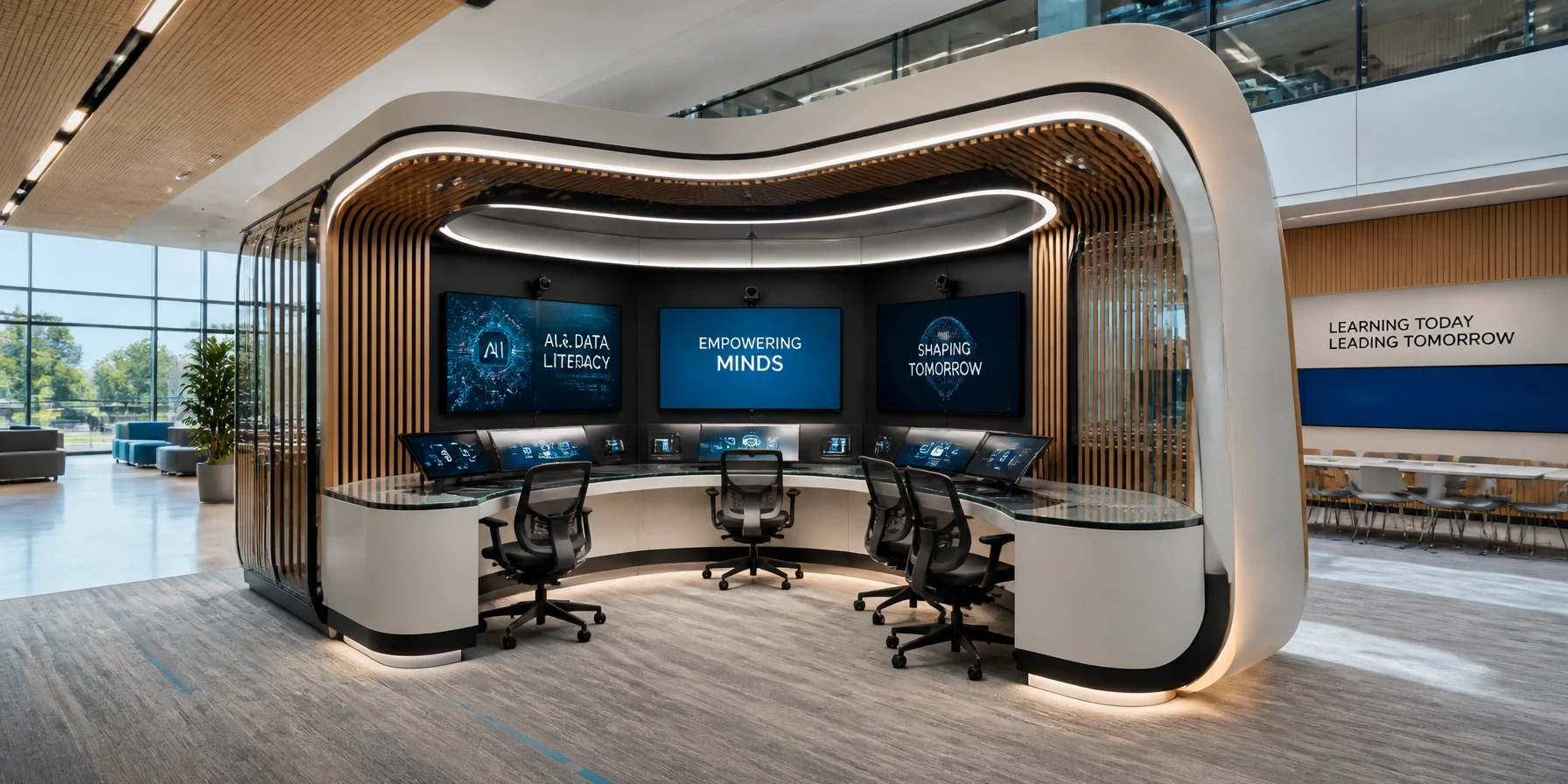
For decades, the "computer lab" was the undisputed cornerstone of technology education. It was a standardized environment: rows of beige or black desktops, tangled nests of ethernet cables, and a rigid layout designed for passive observation rather than active participation. However, as the digital economy evolves toward specialized fields such as cybersecurity, logistics, and high-end content creation, the traditional lab is increasingly viewed as a relic of the past.
At USA Entertainment Ventures LLC, we recognize that the physical infrastructure of a learning environment is not merely a backdrop; it is a critical driver of career readiness. The transition from monolithic computer labs to modular, pod-based spaces represents a fundamental shift in how we prepare the next generation of professionals: particularly those transitioning through programs like the DOD Skill Bridge recruitment initiatives.
The Evolution of the Learning Environment
The traditional computer lab was built for generalists. Its primary goal was to provide access to basic word processing and the internet. Today, access is no longer the bottleneck; specialized environment control is. Pod-based infrastructure: modular, self-contained units or clusters designed for specific professional workflows: offers a level of environmental and technical control that a shared open-plan room cannot match.
These pods are more than just furniture. They are purpose-built physical ecosystems that mirror the actual environments found in modern industry. Whether it is a Cyber Pod simulating a secure operations center or a Logistics Pod functioning as a command hub, these spaces provide a "psychology of place" that fosters deep focus and collaborative problem-solving.
Cybersecurity: Building the Mini-SOC
In the realm of cybersecurity, the traditional lab poses significant risks and limitations. Teaching advanced network defense or penetration testing on a shared campus network is often logistically complex and high-risk.

Pod-based infrastructure allows for the creation of isolated, "sandboxed" environments. These Cyber Pods function as mini Security Operations Centers (SOCs). Within these pods, trainees can engage in:
- Red Team vs. Blue Team Exercises: Physical separation allows teams to collaborate internally without "shoulder surfing" from the opposing side, maintaining the integrity of the simulation.
- Hardware-Level Security: Pods can be engineered with physical access controls and electromagnetic shielding, mimicking the Secure浓缩 (SCIF) environments often found in defense and high-stakes corporate sectors.
- Dedicated Networking: Each pod can have its own independent server rack, allowing students to crash, reboot, and reconfigure networks without affecting the rest of the facility.
According to industry data, professionals trained in environments that mirror their future workplaces reach peak productivity significantly faster than those trained in generic settings. For veterans transitioning via the DOD Skill Bridge, this level of realism is not just a luxury; it is a bridge between military precision and corporate application.
Logistics and Supply Chain: The Command Center Model
Modern logistics is no longer about driving trucks; it is about managing a global, data-driven nervous system. A traditional computer lab, with its single-monitor setup, fails to capture the complexity of a 21st-century supply chain.

Logistics pods are designed to function as high-tech command centers. These modular spaces often feature multi-monitor arrays, large-scale data visualization walls, and integrated communication tools. This physical infrastructure allows trainees to:
- Monitor Real-Time Data: Manage simulated global shipping routes where data flows from multiple sources simultaneously: ERP systems, GPS trackers, and weather forecasts.
- Collaborative Decision Making: Pods are designed for small-group clusters, encouraging the team-based communication required in high-pressure supply chain management.
- Simulation of Stress: By creating a concentrated, professional environment, these pods help trainees acclimate to the "cockpit" feel of a modern logistics hub.
Our work at Money Smart emphasizes the importance of financial and logistical literacy, and we have found that pod-based learning environments significantly improve the retention of complex, multi-variable systems.
Content Creation: Professionalism Through Acoustic Control
The rise of the "creator economy" has turned content creation into a multi-billion dollar industry. However, creating professional-grade audio and video in an open-plan computer lab is an exercise in frustration. Ambient noise, poor lighting, and a lack of privacy often result in subpar output.

Content creation pods solve these issues through physical engineering. These sound-treated or soundproof modules provide a controlled environment for:
- Podcasting and Voiceovers: High-quality acoustic panels eliminate echo and external noise, ensuring broadcast-quality audio.
- Streaming and Virtual Presence: Integrated lighting and green-screen capabilities allow for professional-level video production and remote collaboration.
- Focused Editing: The acoustic isolation of a pod allows editors to hear the nuances of their work without the distraction of a bustling lab.
By moving away from the "row of PCs" model, institutions can offer students a studio-ready environment that requires zero setup time. This shift is particularly relevant to our E-Sports Pod projects, where high-performance hardware must meet specialized environmental needs.
Why the Future is Modular
The move toward pod-based infrastructure is driven by three primary factors: Scalability, Security, and Specificity.
Scalability: Traditional renovations are expensive and permanent. Pods, such as those utilized in modern tech education, are often modular. They can be manufactured off-site and "plugged in" to existing facilities. This allows institutions to scale their training capacity as demand grows without undergoing massive construction projects.
Security: In an era of increasing digital threats, physical security is the first line of defense. Pods offer a controlled perimeter where hardware access can be monitored and sensitive data can be handled in a contained environment.
Specificity: The job market is no longer looking for "general computer skills." Employers are looking for specialists. By providing specialized pods for different career pathways: whether in logistics, cybersecurity, or media: training programs demonstrate a commitment to industry-aligned standards.
Bridging the Gap for Veterans and Professionals
For companies like USA Entertainment Ventures LLC, the focus is on the long-term success of the individual. Our work in DOD Skill Bridge recruitment and business consulting has shown that the transition from military to civilian life is most successful when the training environment is recognizable and mission-focused. Pods provide that structure.
The traditional computer lab was a general tool for a general time. As we look toward a future defined by specialized technical expertise, the physical infrastructure of our training centers must keep pace. Pods are not just "new computer labs": they are the engines of modern career development.
We encourage business leaders and educational administrators to consider the shift toward modular, pod-based environments. The investment in physical infrastructure is an investment in the quality of the workforce. For more information on how we are reshaping career pathways through modern infrastructure, visit our projects page.