
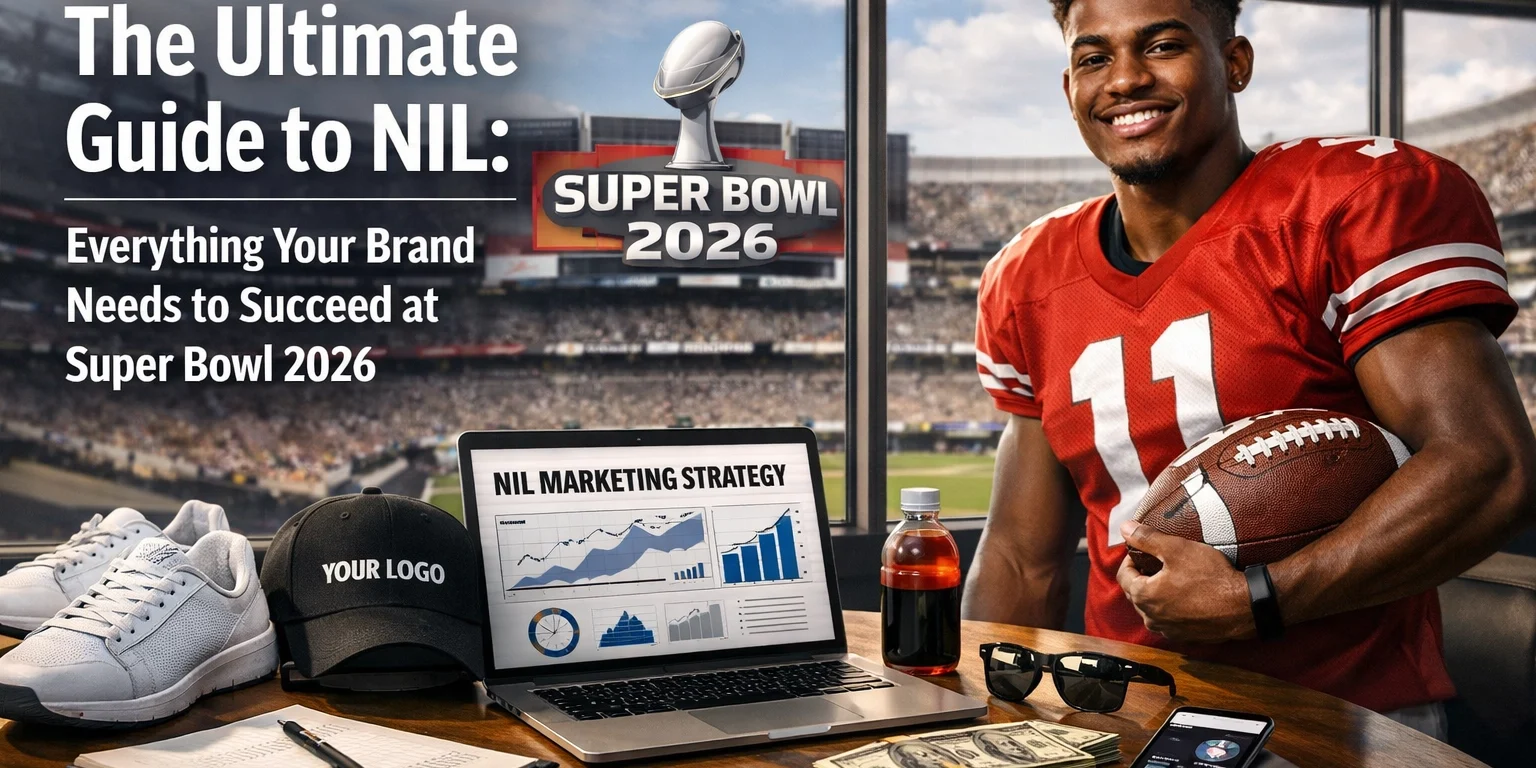
The landscape of sports marketing has undergone a seismic shift. For decades, the Super Bowl was defined strictly by the thirty-second television spot: a high-stakes, multi-million dollar gamble on a single moment of attention. As we move through 2026, Fortune 100 brands have discovered that the "Big Game" is no longer just a broadcast event; it is a multi-platform digital experience driven by the voices of individual athletes.
The emergence of Name, Image, and Likeness (NIL) has bridged the gap between traditional mass-market advertising and the niche, high-trust world of social influence. At USA Entertainment Ventures LLC, we have observed that the most successful brands at Super Bowl 2026 didn't just buy airtime: they bought into the NIL revolution.
The NIL Revolution: Bridging the Gap at the Super Bowl
Traditional advertising relies on a "top-down" approach, where a brand speaks to a passive audience. NIL flips this script by utilizing student-athletes who maintain direct, authentic relationships with their followers. For a Fortune 100 brand, this means the ability to amplify a national campaign through thousands of trusted voices simultaneously.
The power of NIL lies in its ability to extend a campaign’s lifespan. While a television commercial may run for thirty seconds, an integrated NIL campaign can generate hype weeks before kickoff and maintain engagement long after the final whistle. This strategy combines the mass awareness of broadcast media with the targeted, community-level engagement that only athletes can provide.

Why NIL Matters for Global Brands
In 2026, the Super Bowl generates billions of social media impressions. Research indicates that Gen Z and Millennial audiences: the primary targets for most major corporations: are significantly more likely to trust a recommendation from an athlete they follow than a generic corporate message.
For a business consulting firm like USA Entertainment Ventures LLC, the data is clear: NIL partnerships are not just a marketing expense; they are a strategic asset. These partnerships allow brands to:
- Reach Underserved Demographics: Connect with college campuses, alumni networks, and local communities that traditional media often overlooks.
- Increase Authenticity: Move away from scripted corporate tones and toward real, relatable content.
- Drive Immediate Action: Utilize digital platforms to move consumers from "awareness" to "conversion" in a single click.
To see the NIL revolution in action, watch how these dynamics are reshaping the industry:
https://www.youtube.com/watch?v=l6J-0zileKE
A Strategic Framework for Success
Success in the NIL space requires more than just writing a check to a star quarterback. It requires a disciplined, data-driven framework. For brands looking to master the fan experience at Super Bowl 2026, three core steps are non-negotiable.
1. Values and Audience Alignment
Before evaluating a single athlete, a brand must establish clear parameters for strategic fit. This involves analyzing audience overlap, values congruence, and content compatibility. If a brand’s mission is centered on sustainability, partnering with an athlete who is vocal about environmental issues creates a layer of "built-in" credibility that money cannot buy.
2. The Portfolio Approach
One of the most common mistakes large brands make is putting their entire budget behind one high-profile "megastar." While a Heisman winner brings visibility, a portfolio approach is more resilient. By mixing one or two established names with 10–20 mid-tier "influencer athletes," brands achieve broader reach and better cost efficiency. This provides strategic redundancy: if one athlete is unable to perform or deliver content, the overall campaign momentum remains intact.

3. Creative Autonomy and Co-Creation
Fortune 100 brands often struggle with relinquishing control. However, in the NIL world, the athlete is the expert on their own audience. The most effective partnerships grant athletes meaningful creative freedom. When an athlete co-creates content, it feels native to the platform (TikTok, Instagram, etc.) and avoids the "uncanny valley" of over-produced corporate advertisements.
The Campaign Execution Timeline
Timing is everything in the lead-up to the Super Bowl. A successful NIL strategy must be executed in phases to maximize ROI.
- Pre-Game Hype (January 15 – February 7): Athletes create anticipation by sharing behind-the-scenes preparation and teasing the brand's game-day activation. This builds a "retargeting pool" of engaged viewers.
- Game Week: This is the peak of participation. Athletes provide real-time commentary, participate in brand-sponsored events, and amplify the national TV spot across their social channels.
- Post-Game: Follow-up content ensures the brand remains top-of-mind. This is the time for sharing results, "best-of" reels, and maintaining the athlete-brand relationship for future cycles.
Integrating NIL into Business Consulting
From a business consulting perspective, NIL is not a siloed marketing tactic. It should be integrated into the broader corporate strategy. This includes legal compliance, financial reporting, and even Human Resources.
One of the most innovative trends we’ve seen in 2026 is using NIL as a talent pipeline. Forward-thinking companies are recognizing that student-athletes possess traits: resilience, leadership, and teamwork: that are highly desirable in the corporate world. By establishing a relationship during their college years through NIL, brands can identify and recruit top-tier talent for their professional workforce after the athletes’ playing days are over.
Budget and ROI: The Bottom Line
NIL deals vary significantly in scope. While a major endorsement may reach six or seven figures, micro-influencer partnerships can be executed for a fraction of that cost. The key is to establish clear ROI metrics before the engagement begins.
At USA Entertainment Ventures LLC, we recommend tracking:
- Social Media Engagement Rates: How many people interacted with the content?
- Conversion Attribution: Did the athlete’s link lead to a direct sale or sign-up?
- Brand Sentiment: Has the public perception of the brand improved among the target demographic?
Documentation and reporting are vital. Especially for Fortune 100 brands, every dollar spent must be accounted for to ensure compliance with both NCAA regulations and corporate audit requirements.

Lead Time and Compliance Requirements
In the high-stakes environment of the Super Bowl, there is no room for last-minute errors. The combination of compliance review periods and athlete availability means that planning should begin months in advance. Rushing a deal often leads to poor creative execution and increased risk of regulatory issues.
Brands must work closely with legal teams to ensure all contracts are "bulletproof" and that all deliverables are clearly defined. This protects the brand's reputation and ensures that the athlete understands their obligations during the busiest week of the sporting year.
Looking Toward the Future
The 2026 Super Bowl has proven that NIL is no longer an "emerging" trend: it is a cornerstone of modern sports business. As technology continues to evolve, we expect to see even deeper integrations, such as AI-driven athlete content and personalized digital experiences.
For brands that want to stay ahead of the curve, the message is simple: Stop treating NIL as an add-on. Make it a core component of your strategy from day one. By bridging the gap between national visibility and local authenticity, you can ensure your brand doesn't just "show up" at the Super Bowl, but actually wins.
To learn more about how we help brands navigate these complex waters, visit our About Us page or explore our digital consulting services. The future of entertainment and business is here, and it is powered by the individuals who play the game.





