
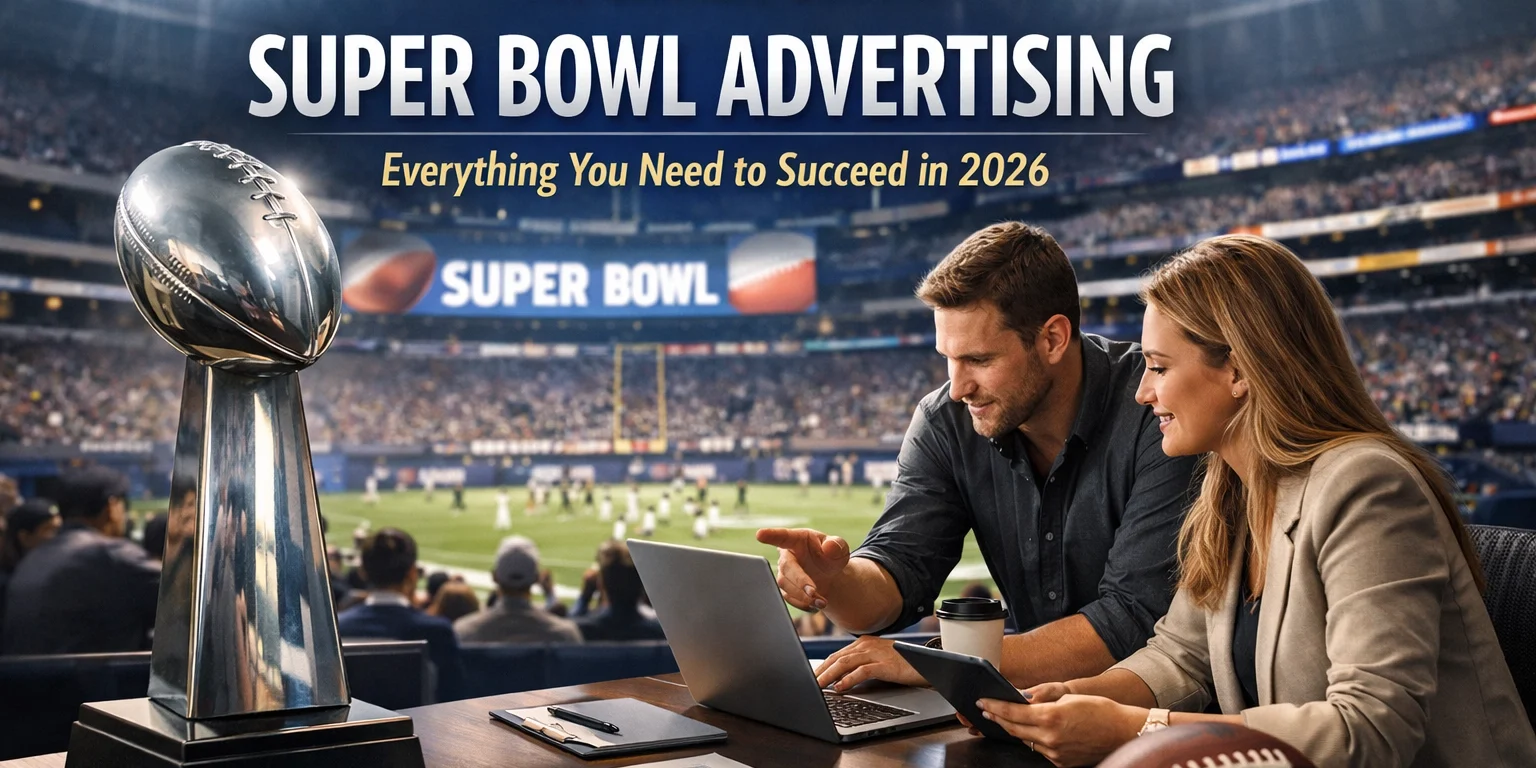
The Super Bowl has long been the pinnacle of American advertising, a cultural phenomenon where the commercials often garner as much discussion as the game itself. However, as we look back at the landscape of 2026, it is clear that the "one-and-done" 30-second television spot is a relic of the past. Success in the current market requires a sophisticated, multi-layered strategy that integrates traditional broadcast with digital agility and long-term narrative building.
At USA Entertainment Ventures LLC, we specialize in navigating these complex media environments. As business consultants, we have observed that the most successful campaigns of Super Bowl LX (60) were not just advertisements; they were comprehensive ecosystems of engagement. This guide outlines the framework used by the world’s leading brands to dominate the conversation and achieve measurable ROI in 2026.
The Financial Reality: The $10 Million Threshold
In 2026, the cost of entry for a national broadcast spot reached unprecedented heights. Advertisers paid an average of $8 million for a 30-second window, with premium placements during the second and third quarters reaching as high as $10 million. When you factor in high-end production costs, celebrity talent, and the necessary supporting marketing spend, a total campaign budget often ranges between $15 million and $50 million.
While these figures may seem staggering, they reflect the unique reach of the event. Despite the fragmentation of modern media, the Super Bowl remains the only platform capable of delivering a mass audience of over 100 million viewers simultaneously. However, as Dan Kost, CEO of USA Entertainment Ventures LLC, often notes, the goal isn't just to be seen: it’s to be remembered and to drive action.

The Three-Phase Campaign Framework
The shift in 2026 advertising was defined by a move away from the "Big Game" being the start and end of the campaign. Industry data confirms that a structured three-phase approach is essential for maximizing the efficiency of these massive investments.
Phase 1: The Pre-Game Build (January 15 – February 7)
Research indicates that starting a campaign roughly three weeks before kickoff delivered a 16% to 30% higher cost-per-click (CPC) efficiency compared to brands that waited until game week. This "Pre-Game Build" serves two primary purposes:
- Data Collection: Brands use this time to build audience data pools, identifying fans who show high engagement with "teaser" content.
- Momentum: By releasing snippets or behind-the-scenes footage, brands generate organic conversation before the expensive airtime even begins.
YouTube campaigns that promoted content three weeks in advance achieved view rates of 56% to 64%, proving that the audience is hungry for Super Bowl content long before the coin toss.
Phase 2: Game Day Execution and the "War Room"
On game day, the focus shifts from broadcast to real-time interaction. Leading brands in 2026 operated "war rooms": dedicated command centers where creative teams and data analysts monitored social trends in real-time. This allowed them to capitalize on viral moments within minutes using pre-approved ad sets tailored for various game scenarios (e.g., a blowout, a comeback, or a controversial officiating call).
Phase 3: Post-Game Extension
The 30-second TV spot is an anchor, not the finish line. Post-game strategies in 2026 involved transforming broadcast airtime into long-form branded content on platforms like YouTube and TikTok. This sustained the momentum of the campaign and allowed for deeper storytelling that a 30-second window simply cannot accommodate.
Digital Alternatives and Performance Efficiency
For many brands, the most efficient way to participate in the Super Bowl buzz was through digital and "second-screen" engagement rather than a direct broadcast spot. In 2026, we saw a massive surge in the following areas:
- Meta Platforms: Brands achieved up to 70% cost-per-lead-click efficiency by using targeted influencer content that synchronized with the live broadcast.
- Connected TV (CTV): Advertisers used interstitial advertising to target viewers watching on streaming apps during halftime and pre-game coverage, often at a fraction of the cost of a national linear spot.
- Contextual AI Targeting: Reaching fans based on their fantasy football activity and real-time NFL content consumption allowed for hyper-relevant messaging.
To understand how these digital strategies connect back to the physical world of fan engagement, you can explore our detailed look at creating tangible connections that stick.

Case Studies: 2026 Success Stories
Several brands stood out in 2026 by blending nostalgia with cutting-edge technology.
- Xfinity: Leveraged nostalgia with a Jurassic Park play featuring the original cast. By linking this to their high-speed connectivity message, they created a cross-generational appeal.
- Frank’s RedHot: Utilized cultural icons like Ludacris and a "rapping goat" to create a viral-ready moment that dominated social media platforms for 48 hours following the game.
- Kinder Bueno: Employed a sci-fi theme that leaned into high-concept production values, proving that aesthetic quality remains a top driver for brand recall.
For a deeper dive into how sports media strategies are evolving, watch this breakdown of the current playbook:
https://www.youtube.com/watch?v=l6J-0zileKE
The Role of AI in 2026 Advertising
Artificial Intelligence played a pivotal role in the 2026 Super Bowl cycle, but not in the way many predicted. Instead of replacing human creativity, AI was used to enhance production efficiency. Brands used generative AI to create hundreds of variations of their digital ads, allowing them to perform A/B testing at a scale previously thought impossible.
Furthermore, Anthropic’s Claude AI and other platforms were used to analyze sentiment in real-time during the game, allowing brands to adjust their social media voice to match the mood of the national audience. This fusion of human storytelling and machine efficiency is the new standard for high-stakes marketing.
Key Success Principles for Future Campaigns
As we look toward 2027 and beyond, certain principles have become non-negotiable for brands looking to enter the sports media arena:
- Early Audience Building: You cannot afford to start your campaign on game day. Data pools must be established by mid-January.
- Cross-Platform Consistency: A message must be as effective on a 6-inch smartphone screen as it is on a 70-inch 4K television.
- Sophisticated Measurement: Moving beyond "vanity metrics" like likes and retweets. Success is now measured by sentiment analysis, brand lift, and long-term search volume increases.
- Tangible Integration: Successful campaigns often bridge the gap between digital media and physical brand experiences.

Moving Forward with USA Entertainment Ventures LLC
The complexity of Super Bowl advertising reflects the broader shifts in the media landscape. It is no longer enough to have a great creative idea; you must have a rigorous distribution and data strategy to match.
At USA Entertainment Ventures LLC, we provide the consulting expertise necessary to navigate these shifts. Whether you are looking to understand the nuances of business consulting in the entertainment space or exploring media-specific strategies, our goal is to help your brand achieve lasting impact.

The Super Bowl remains the ultimate stage for brand storytelling. By adopting a three-phase framework, embracing digital alternatives, and utilizing the latest in AI and data analytics, businesses can ensure that their multi-million dollar investment delivers more than just a fleeting moment of fame: it delivers a sustainable competitive advantage.
For more insights into the evolving world of sports media and advertising strategy, subscribe to our newsletter, The Super Bowl Playbook, where we break down the latest trends and data driving the industry forward. The future of advertising isn't just about reaching the audience; it’s about becoming a part of the cultural fabric they inhabit.





