
As we move through 2026, the global business landscape is witnessing a profound shift in how human capital is identified, nurtured, and secured. The traditional methods of recruitment: relying on university career fairs and third-party headhunters: are no longer sufficient to meet the specialized demands of modern industry. For sectors such as Cloud Architecture, Artificial Intelligence (AI), and Data Analytics, the competition for talent has reached a tipping point where waiting for a candidate to earn a four-year degree is often waiting four years too long.
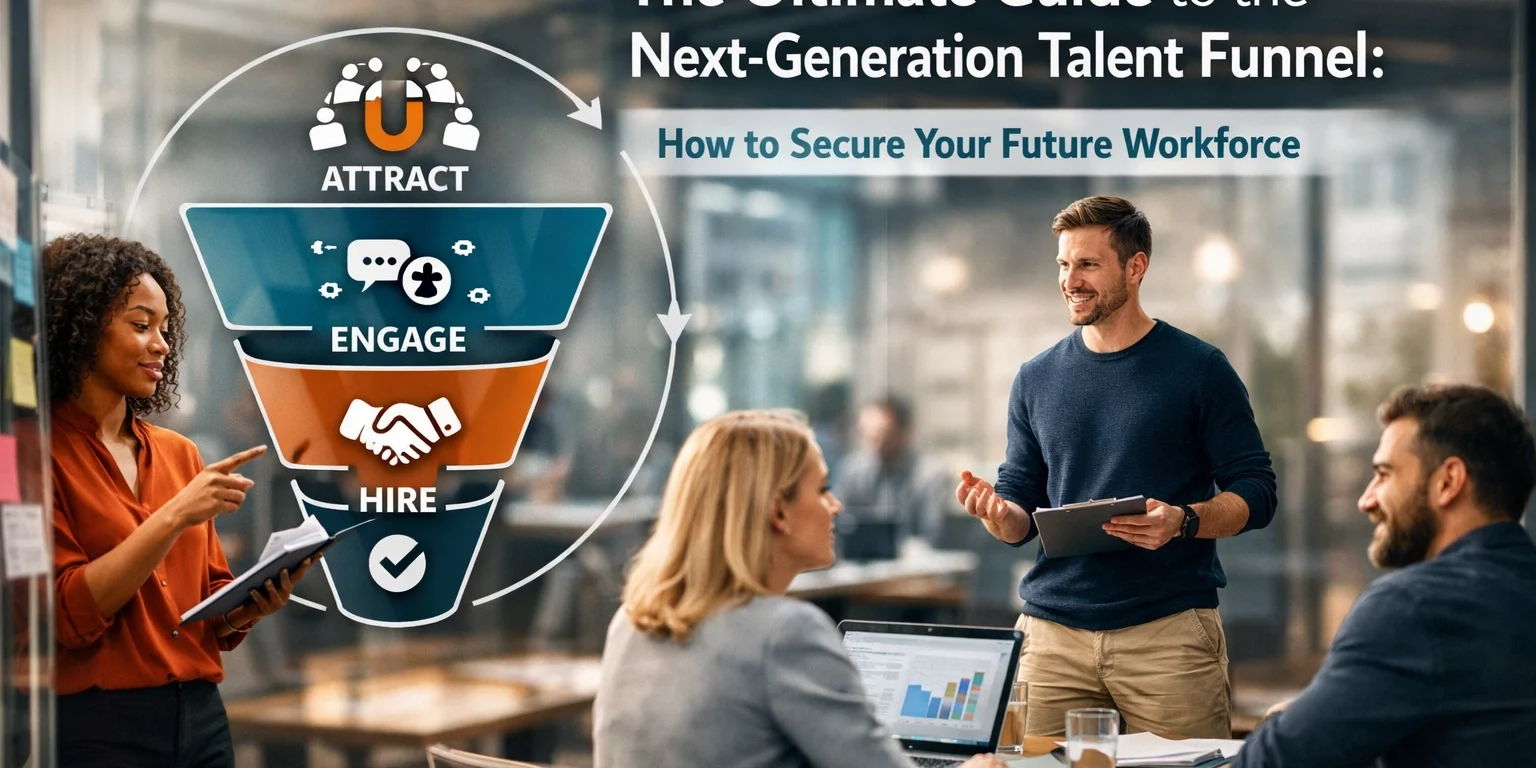
The solution lies in the "Next-Generation Talent Funnel." This strategic framework moves the point of engagement from the university graduation stage to the high school level. By building relationships with students before they even enter the workforce or higher education, companies can secure a first-mover advantage that ensures a steady stream of qualified, loyal, and highly skilled professionals.
The Reality of the 2026 Talent Landscape
The demand for technical literacy is at an all-time high. According to recent industry data, the gap between the number of open roles in AI and Data Science and the number of qualified applicants continues to widen. This is not merely a shortage of people; it is a shortage of specific, high-level skills that are evolving faster than traditional academic curricula can adapt.
Forward-thinking organizations are beginning to realize that the most effective way to close this gap is to participate in the educational process itself. By the time a student reaches their junior or senior year of high school, they are already making pivotal decisions about their career trajectory. Organizations that fail to influence those decisions at that stage are effectively leaving their future workforce to chance.

Why High Schools are the New Recruitment Front Line
The shift toward high school engagement is driven by three primary factors: early skill acquisition, brand loyalty, and cost-efficiency.
1. Accelerated Skill Development
In the fields of Cloud computing and AI, the "shelf life" of technical knowledge is shrinking. Students who begin coding or managing data sets at ages 15 or 16 often possess a level of intuitive fluencies that is difficult to replicate in older learners. By engaging with these students early, companies can provide the specific tools and platforms: such as proprietary Cloud environments or specialized AI models: that the students will eventually use in a professional capacity.
2. Building Early Brand Loyalty
Engagement at the high school level creates a sense of belonging and "employer brand" long before a student enters the job market. When a company provides a mentorship or a guest lecture to a high school class, they are not just teaching; they are recruiting. These early interactions build trust and affinity, making that company the preferred employer when the student is ready for a formal role.
3. Securing First-Mover Advantage
Most organizations still concentrate their efforts on university partnerships. By focusing on high schools, your company accesses a talent pool that is largely ignored by competitors. This allows you to identify "hidden gems": students who may have incredible aptitude for data analytics but might not have the traditional resources to pursue an elite university track.
Shifting Focus: Skills Over Credentials
A cornerstone of the next-generation talent funnel is the prioritization of skills over traditional credentials. For decades, the college degree served as the primary filter for hiring. However, in the fast-paced world of 2026, a degree is often a lagging indicator of capability.
Expert copywriter and workforce strategist Sarah Jenkins notes, "The most successful companies in 2027 and beyond will be those that hire for what a person can do today and what they have the capacity to learn tomorrow, rather than where they sat for four years in their early twenties."
This skills-based approach allows for a more diverse and robust talent pool. It identifies individuals who have demonstrated technical proficiency through project-based learning, certifications, or independent study. By implementing these assessments at the high school level, companies can provide a clear pathway for students who possess the raw talent but may require specialized training to reach professional standards.

Implementing a Tiered Engagement Strategy
Securing a future workforce is not a one-time event; it is a longitudinal process. A successful next-gen talent funnel uses a tiered approach to move students from "awareness" to "employment."
Level 1: Awareness and Inspiration (Entry-Level)
This stage is about casting a wide net. It includes activities like:
- Guest Speaker Sessions: Executives and engineers visiting classrooms to discuss the future of AI and Cloud.
- Facility Tours: Inviting students to see "where the magic happens," demystifying the corporate environment.
- Industry Awareness Workshops: High-level overviews of what a career in Data Analytics actually looks like.
Level 2: Skill Building and Mentorship (Intermediate)
Once interest is established, companies should offer deeper engagement:
- Virtual Workshops: Remote learning modules that teach basic Cloud architecture or data visualization.
- Mentorship Programs: Pairing students with professionals for monthly check-ins and project guidance.
- Project-Based Collaborations: Allowing students to work on "sanitized" versions of real-world business problems.
Level 3: Professional Integration (Advanced)
The final stage prepares the student for a formal role:
- High School Internships: Providing hands-on experience during summer breaks or senior years.
- Capstone Sponsorships: Funding and advising on a student’s final senior project.
- Pre-Employment Certifications: Offering the training and testing necessary for a student to join the company immediately upon graduation or alongside further education.
For more information on how these strategies integrate into a broader corporate vision, you can view our About Us page or explore our Services.
The Hybrid Model: Scaling the Funnel
One of the greatest challenges in talent development is geographic limitation. However, the rise of sophisticated digital collaboration tools has made a hybrid engagement model the standard for 2026.
By combining virtual learning modules with strategic in-person touchpoints, companies can scale their talent funnel across the nation. A student in a rural school district can participate in an AI mentorship program hosted by a firm in Denver or New York, provided the digital infrastructure is in place.
This hybrid approach not only maximizes reach but also optimizes resource allocation. Companies can deliver high-quality content to thousands of students virtually, while reserving intensive in-person resources for those students who have demonstrated the highest potential. This is a critical component of a national workforce infrastructure rollout.

Measuring Success: ROI and Longitudinal Tracking
Investing in high school students requires a shift in how Return on Investment (ROI) is calculated. Traditional recruitment metrics focus on "time-to-fill" or "cost-per-hire" for the current quarter. The next-generation talent funnel requires a multi-year perspective.
Longitudinal Tracking
To manage this funnel effectively, organizations must maintain relationships with students as they progress. This involves tracking:
- Progression Rates: How many students move from an introductory workshop to an intermediate mentorship?
- Skill Acquisition: Are students successfully completing certifications in Cloud or Data Analytics?
- Conversion Rates: How many program participants eventually become full-time employees or long-term contractors?
While the initial costs of staff time and technology platforms may seem significant, the long-term benefits include significantly reduced recruiting costs, improved retention rates, and a workforce that is already "onboarded" to the company culture and technical standards before their first day of work.
The Urgency of Now: Preparing for 2027
The technology landscape moves with a momentum that waits for no one. Organizations that wait until they have an immediate vacancy to begin looking for talent will find themselves in a constant state of reactive hiring, often overpaying for candidates who may not be a perfect cultural or technical fit.
As we look toward 2027, the companies that will lead their industries are those that are currently in high school classrooms. They are the ones providing the AI sandboxes, the data sets, and the mentorship that will shape the next generation of innovators.
Securing your future workforce is not a task for the human resources department of tomorrow; it is a strategic imperative for the leadership of today. By building a robust, skills-based talent funnel that starts early, focuses on real-world capabilities, and leverages hybrid technology, your organization can move from a state of talent scarcity to a state of talent abundance.
To learn more about how to position your organization for these shifts, contact us through our Contact Page or explore our Showcase of workforce development initiatives.
The future of work is already being written in high schools across the country. The only question is whether your company’s name will be on the page.





