
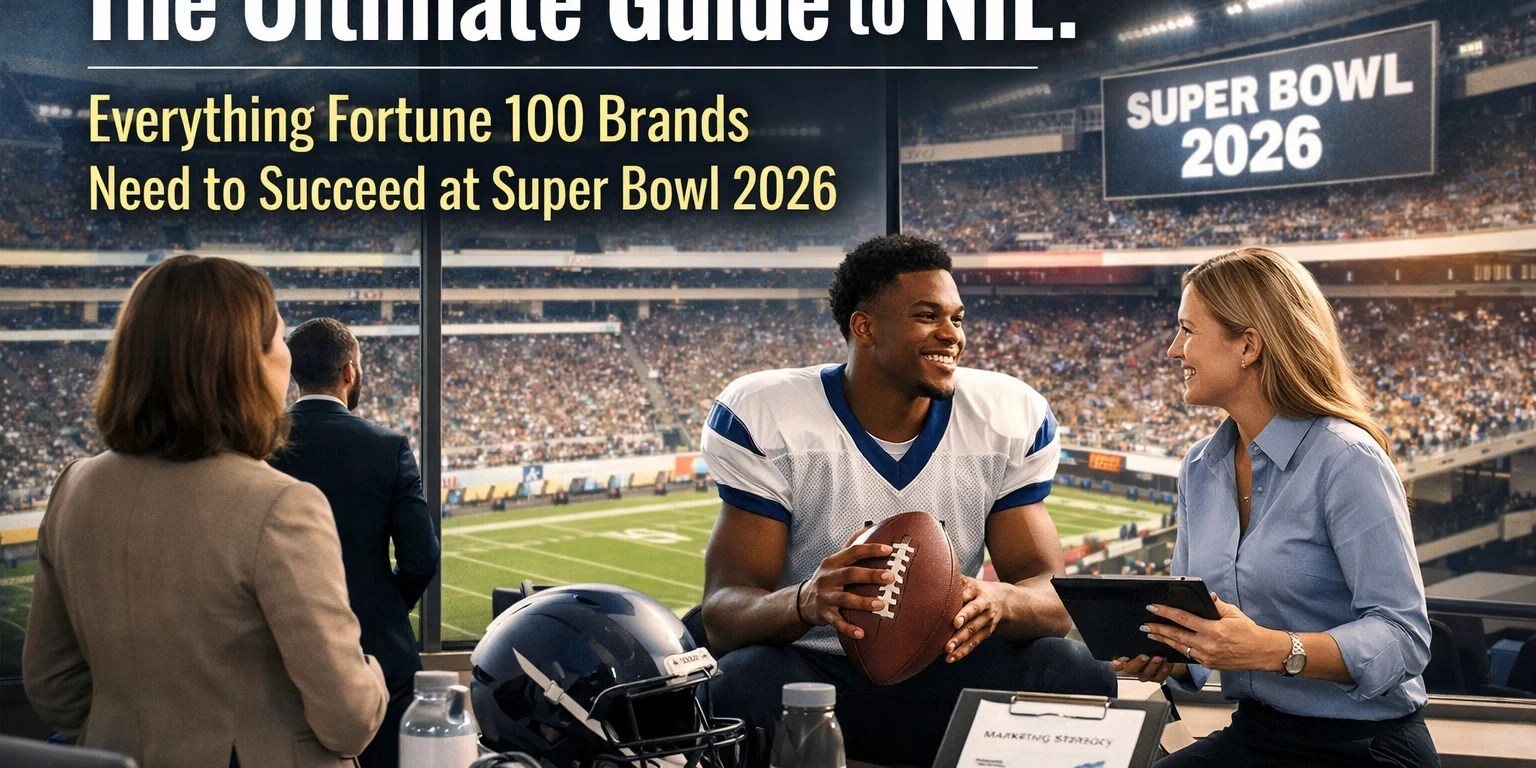
As we approach Super Bowl 2026, the landscape of sports marketing has undergone a seismic shift. For decades, the Super Bowl was the exclusive playground of professional icons and multi-million dollar creative spots. However, the "NIL Revolution" has fundamentally altered how brands engage with audiences. Name, Image, and Likeness (NIL) is no longer a peripheral strategy; it is now the cornerstone of authentic engagement for Fortune 100 brands.
At USA Entertainment Ventures LLC, we have watched this evolution from the front lines. Led by CEO Dan Kost, our firm specializes in bridging the gap between high-level corporate objectives and the rapidly shifting dynamics of the entertainment and sports sectors. For Fortune 100 executives, Super Bowl 2026 represents the first major "post-settlement" milestone where NIL regulations and professional sports marketing fully converge.
The State of NIL in 2026: A New Regulatory Reality
To succeed at the Super Bowl, brands must first navigate the complex regulatory framework governing student-athletes. As of July 1, 2025, the House v. NCAA settlement reshaped the industry, allowing Division I schools to directly compensate student-athletes. This change has cleared the way for more transparent, corporate-friendly partnerships, but it has also increased the need for meticulous compliance.
Reporting and Compliance Standards
Fortune 100 brands must be aware that Division I student-athletes are required to report any NIL deal valued at $600 or more to "NIL Go" within five business days. For a brand activating during Super Bowl week, the speed of these transactions is critical. Failure to ensure that an athlete remains compliant can result in immediate ineligibility, which creates a significant PR risk for the brand involved.
Uniforms and Commercial Real Estate
A pivotal development for Super Bowl 2026 marketing is the NCAA Council’s approval of commercial sponsor patches on uniforms and equipment, effective August 1, 2026. While the Super Bowl features professional teams, the "bridge" between collegiate stars: who are often in attendance for brand activations: and the professional stage has never been shorter. Brands can now look toward long-term "pathway" sponsorships that follow an athlete from the collegiate uniform to the NFL draft and eventually to the Super Bowl stage.
Bridging the Gap: Why NIL is the Super Bowl’s Secret Weapon
The Super Bowl is often criticized for its "over-produced" nature. In contrast, NIL athletes bring a sense of organic, grassroots authenticity that resonates with Gen Z and Millennial demographics. Fortune 100 brands are increasingly using NIL stars to "humanize" their Super Bowl presence.
As discussed in our recent analysis of The Fan Experience Guide to Super Bowl 2026, the modern fan demands an integrated experience. They want to see the future of the sport interacting with the legends of the game.
The NIL Revolution Video Insight
To truly understand how this gap is being bridged, watch this breakdown of the NIL revolution and its impact on the sports business ecosystem:
https://www.youtube.com/watch?v=l6J-0zileKE
This video highlights how the traditional barriers between "amateur" and "professional" have dissolved, creating a single, continuous stream of marketable talent that brands can leverage year-round, culminating in the Super Bowl peak.
Strategic Execution for Fortune 100 Brands
When a Fortune 100 company decides to activate at the Super Bowl using NIL talent, the strategy must be more sophisticated than a simple social media post. It requires a "National Workforce Infrastructure" approach: a concept we explore deeply at USA Entertainment Ventures LLC.
1. The "Pathway" Partnership
Rather than signing an athlete for a one-off Super Bowl appearance, brands should look at the "NIL-to-Pro" pathway. Identifying top-tier collegiate talent who are likely to be drafted allows a brand to build a narrative that spans several years. By the time the athlete reaches their own Super Bowl, the brand is already woven into their personal story.

2. Hyper-Local Activations at a National Event
The Super Bowl is a national event, but NIL allows for hyper-local targeting. If the Super Bowl is being held in a city with a major collegiate powerhouse nearby, brands can utilize local NIL stars to drive foot traffic to "Fan Zone" activations. This creates a bridge between the local community and the global stage of the NFL.
3. Compliance as a Competitive Advantage
For Fortune 100 brands, the biggest threat to a campaign is a compliance scandal. Working with business consulting experts like USA Entertainment Ventures LLC ensures that every contract adheres to the latest NCAA and state-level mandates. This includes avoiding "pay-for-play" traps: deals cannot be structured as performance-based incentives or inducements to attend specific schools.
Avoiding the Transfer Portal Pitfall
One of the most significant risks in the 2026 NIL landscape is the Transfer Portal. The College Sports Commission has cautioned that third-party NIL offers used to induce transfers can expose brands to litigation and compliance audits. Fortune 100 brands must ensure their contracts include "morals" and "transfer" clauses that protect the brand's reputation and investment should an athlete’s eligibility come into question due to improper transfer inducements.

Data-Driven Selection: Beyond the Follower Count
In the early days of NIL, brands chose athletes based on Instagram followers. In 2026, the selection process is data-driven. Fortune 100 brands are now looking at:
- Audience Sentiment Analysis: Does the athlete’s fan base align with the brand’s core values?
- Engagement Quality: Are the fans actively participating in the conversation, or is the reach passive?
- Longevity Projections: What is the likelihood of this athlete maintaining a clean public record and a high level of athletic performance?
By applying these metrics, brands can ensure their Super Bowl investment yields a high Return on Objective (ROO) rather than just a fleeting moment of Return on Investment (ROI).
The Future of NIL and Corporate Responsibility
As we look toward the future, the integration of NIL into the Super Bowl ecosystem isn't just about selling products; it’s about corporate responsibility and workforce development. Many student-athletes are navigating these massive deals for the first time. Fortune 100 brands that provide financial literacy resources and professional development as part of their NIL packages are seeing higher levels of loyalty and better PR outcomes.
This forward-thinking approach is what distinguishes a standard marketing campaign from a market-leading strategy. It is about building an infrastructure that supports the athlete, the brand, and the fan simultaneously. For more on how we view these large-scale infrastructure shifts, see our thoughts on the National Workforce Infrastructure Rollout.

Conclusion: Setting the Stage for 2026
The Super Bowl remains the ultimate stage, but the actors have changed. The "NIL Revolution" has invited a new generation of talent to the table, and Fortune 100 brands that embrace this shift with strategic precision will dominate the conversation in 2026.
The key to success lies in bridging the gap between collegiate authenticity and professional scale. It requires a deep understanding of compliance, a commitment to long-term athlete partnerships, and a data-driven approach to talent selection.
At USA Entertainment Ventures LLC, we are dedicated to helping our clients navigate these complexities. Whether you are looking to secure a cornerstone NIL partnership or integrate student-athletes into your Super Bowl fan experience, the time to build your strategy is now. The road to Super Bowl 2026 is already being paved by the NIL stars of today; make sure your brand is part of the journey.





