
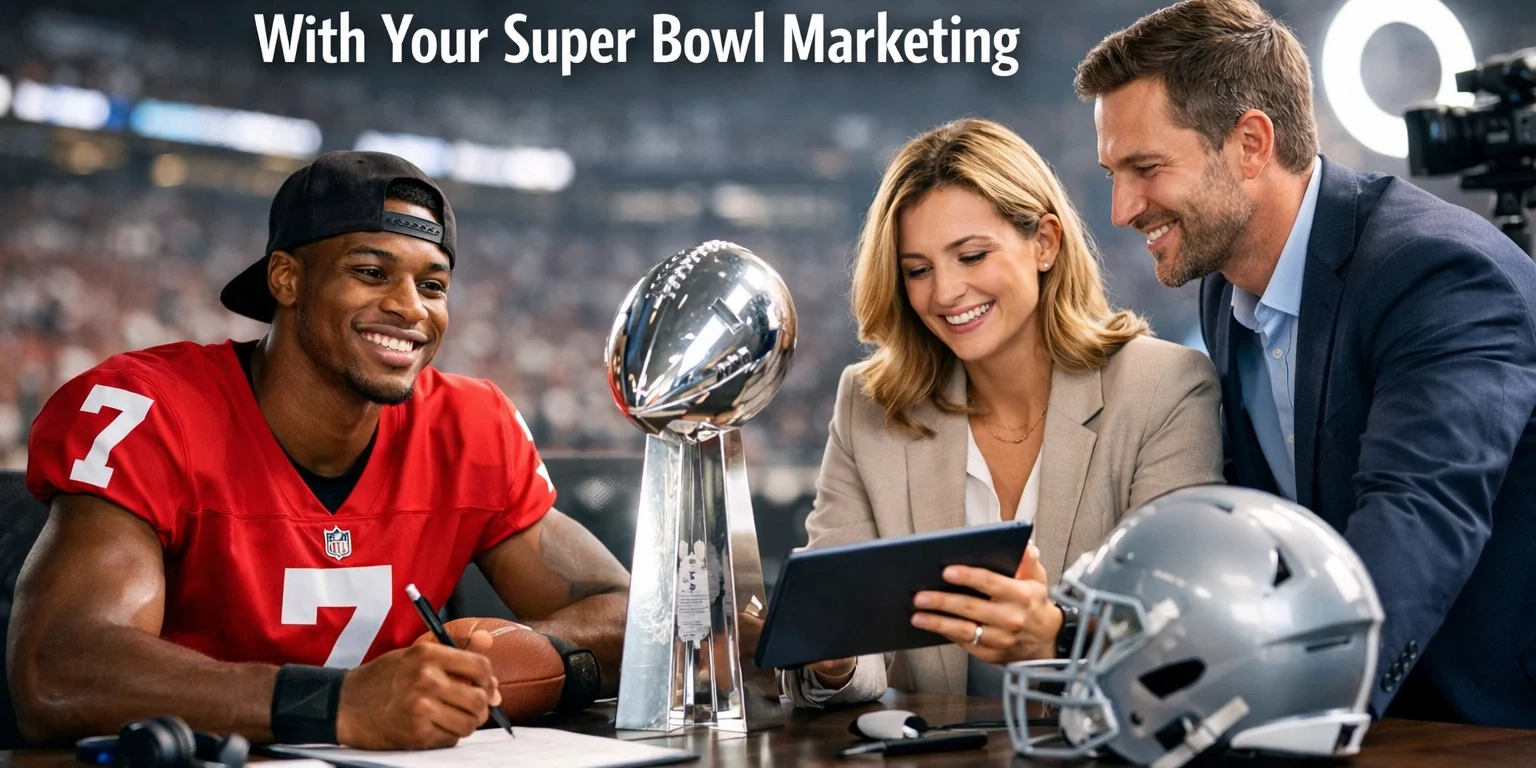
The landscape of sports marketing has undergone a seismic shift. For decades, the Super Bowl was defined by the high-stakes, 30-second television spot: a singular moment of massive reach with a steep price tag. However, as we move through 2026, Fortune 100 brands are discovering that the "Big Game" is no longer a one-day event; it is the epicenter of a multi-week digital ecosystem. At the heart of this evolution is the integration of college Name, Image, and Likeness (NIL) talent.
At USA Entertainment Ventures LLC, we have observed that the most successful marketing campaigns are those that bridge the gap between traditional broadcast dominance and the hyper-engaged, niche communities found on social media. By leveraging NIL athletes, brands can transform a momentary advertisement into a sustained, authentic conversation that begins weeks before kickoff and resonates long after the final whistle.
The NIL Revolution – Bridging the Gap at the Super Bowl
To understand the magnitude of this shift, one must look at how the collegiate landscape has become a professional-grade incubator for marketing talent. These athletes are not just players; they are creators with established, loyal audiences.
https://www.youtube.com/watch?v=l6J-0zileKE
As the video above illustrates, the NIL revolution is about more than just endorsements: it is about integration. For a major corporation, the goal is to weave the brand’s narrative into the athlete's daily life, creating a level of trust that a polished, scripted commercial simply cannot achieve.

The Three-Phase Integration Framework
Successful integration of NIL talent requires a structured timeline. Industry data suggests that treating athletes as core campaign components from the outset maximizes ROI. A three-phase approach allows Fortune 100 brands to extend their engagement window from a few hours to nearly a month.
Phase 1: Pre-Game Hype (January 15 – February 7)
The window leading up to the Super Bowl is critical for building anticipation. During this phase, NIL partners serve as the "ground crew" for your national campaign. Instead of revealing a commercial in a vacuum, brands can utilize athletes to provide "behind-the-scenes" glimpses or "leaked" teasers.
Athletes share preparation content, tease game-day activations, and organically introduce brand messaging to their followers. This phase is essential for establishing retargeting pools. By the time the actual game arrives, the audience has already been primed by voices they trust, making the national broadcast spot feel like the climax of a story rather than an interruption.
Phase 2: Real-Time Game-Day Commentary
On the day of the game, the "second screen" is where the most intense engagement occurs. While millions watch the television broadcast, millions more are simultaneously scrolling through social media. NIL athletes act as digital ambassadors, providing real-time reactions and commentary.
By hosting virtual viewing parties or providing live social media commentary with product integration, athletes keep the brand central to the conversation throughout all four quarters. This real-time interaction captures the authentic emotion of the game, creating a bridge between the corporate brand and the lived experience of the fan.

Phase 3: Post-Game Sustainability
Traditional Super Bowl ads often face a "cliff" on Monday morning: engagement drops as the world moves on. However, NIL content provides a "long-tail" effect. Post-game analysis, "get the look" content, and recaps led by athletes ensure that the heavy investment continues to yield impressions and conversions for weeks. This sustainability is what separates modern integrated marketing from the old-school broadcast model.
Key Integration Strategies for Fortune 100 Brands
Integrating college talent is not a "one-size-fits-all" endeavor. To maintain professional standards while achieving organic reach, brands should follow specific strategic pillars.
1. Co-Creation Over Rigid Scripting
One of the most common mistakes in corporate marketing is over-scripting. Gen Z and Millennial audiences are highly sensitive to "corporate" tone. By allowing athletes to maintain their unique voice, brands can ensure higher affinity. Co-created content: where the brand provides the framework and the athlete provides the creative execution: generates substantially higher engagement than traditional endorsements.
2. Performance-Based Structure
The industry is moving toward more sophisticated compensation models. While fixed-fee contracts remain common, many brands are seeing success with performance-based incentives or even equity-style stakes in campaign success. Data indicates that athletes with a vested interest in the campaign's performance demonstrate greater creativity and produce content at higher frequencies, often leading to a 40-60% increase in interaction rates.
For more information on how we structure these partnerships, visit our services page.
3. Multi-Level Athlete Activation
While the temptation is to only sign the "top five" college stars, smart brands are diversifying their roster. A multi-level approach involves a mix of national stars and "micro-influencer" athletes who command hyper-targeted, local communities. This creates a "content blitz" effect, where the brand appears omnipresent across multiple demographics and regions simultaneously.

Infrastructure and Long-Term Value
The Super Bowl should also be viewed as a testing ground for future talent. Forward-thinking organizations are now creating "content hubs" or mobile facilities at fan zones during the week of the game. These hubs allow NIL athletes to produce high-quality content in a controlled environment, essentially transforming a marketing expense into a talent development investment.
Furthermore, the NIL approach serves as a unique recruitment tool. By working closely with collegiate creators, brands can assess work ethic, creativity, and cultural fit. This allows companies to build a pipeline of talent that understands the brand’s DNA, potentially recruiting top performers into full-time marketing or social media roles after graduation.
The Strategic Advantage of USA Entertainment Ventures LLC
Navigating the complexities of NIL regulations and the high-pressure environment of Super Bowl marketing requires an experienced hand. At USA Entertainment Ventures LLC, we specialize in bridging the gap between talent and corporate objectives. Our approach is grounded in data and a deep understanding of the entertainment industry.
If you are looking to refine your strategy or explore how your brand can better integrate into the sports ecosystem, we encourage you to learn more about our team.
Conclusion: The Future of Integrated Marketing
As we look toward the 2027 season and beyond, the integration of NIL talent into major sporting events will only deepen. The ability to combine the massive reach of a global broadcast with the intimacy of a social media feed is the new "gold standard" for Fortune 100 brands.
The transition from traditional advertising to integrated, athlete-led storytelling is not just a trend: it is a fundamental change in how humans consume media and trust brands. By adopting a three-phase framework, focusing on co-creation, and investing in the infrastructure of talent development, companies can ensure that their Super Bowl investment delivers value long after the stadium lights go dark.
The opportunity for innovation is vast. Whether through performance-based structures or multi-level activations, the goal remains the same: authenticity. In a world of infinite content, the brands that win are the ones that are invited into the conversation, not just the ones that pay to be seen. At USA Entertainment Ventures LLC, we remain committed to guiding our clients through this burgeoning landscape, ensuring that every campaign is both professional and profoundly impactful.





