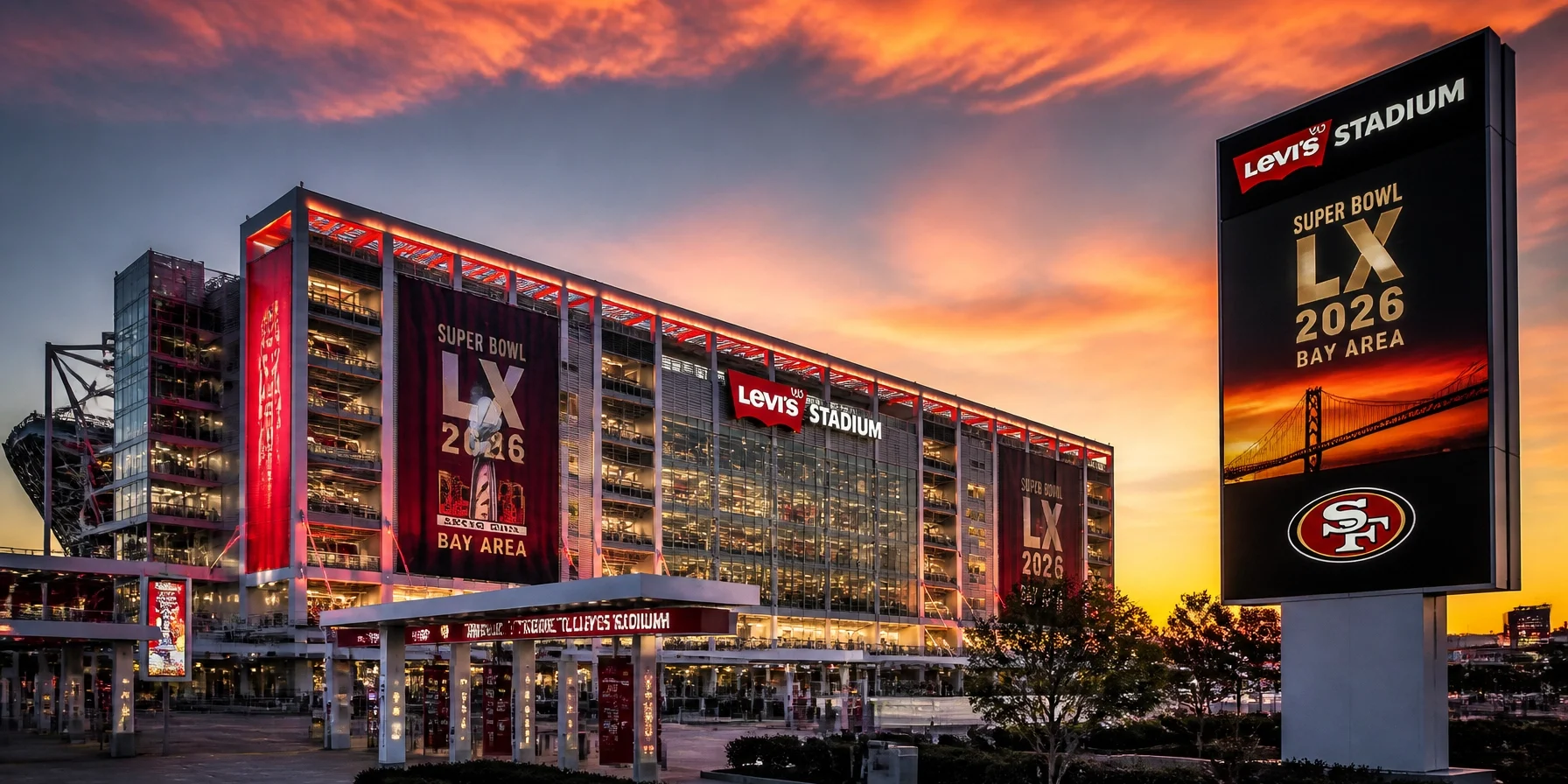
As the sports world pivots toward Super Bowl LX in 2026, the definition of "fan engagement" is undergoing a radical transformation. Hosted at Levi’s Stadium in Santa Clara, this event is poised to be more than just a championship game; it is being designed as a high-bandwidth, "football theme park" that spans the entire San Francisco Bay Area. For brands and stakeholders, the challenge is no longer just about getting eyes on a screen: it is about creating a tangible, physical connection in an increasingly digital world.
In the fast-paced environment of sports marketing, decision-makers often feel they lack the time to build deep, meaningful activations. However, by leveraging modern infrastructure and specialized marketing platforms, you can outline a robust, tangible fan experience strategy in as little as five minutes. This post explores how to capitalize on the upcoming 2026 trends to ensure your brand doesn’t just participate but dominates the arena.
The 2026 Shift: From Passive Viewing to Active Participation
The landscape of Super Bowl LX is defined by a shift toward immersive, multi-sensory environments. According to recent industry data, fans visiting the Super Bowl Experience at the Moscone Center are expected to spend an average of three to four hours engaging with interactive zones. They are looking for "Instagram-ready" moments, physical skills challenges, and collectible keepsakes that bridge the gap between the stadium and their homes.
At USA Entertainment Ventures LLC, we understand that "Managing" the fan experience requires a blend of high-touch physical assets and high-tech digital integration. Whether you are focused on business development or looking to tap into the next generation of talent through our DOD Skill Bridge recruitment initiatives, the principles of engagement remain the same: connection, value, and tangibility.
The 5-Minute Strategy Framework
To create a tangible fan experience quickly, focus on these three pillars:
- Tactile Touchpoints: Physical items fans hold and keep.
- Digital Synchronicity: Real-time interactivity powered by next-gen tech.
- Community Narrative: Aligning with culture and local identity.
1. Mastering Tactile Touchpoints: The "High-Touch" Advantage

In a stadium seating over 68,000 people, the most valuable real estate isn't just the jumbotron; it's the space directly in front of the fan. Tangible marketing: physical objects that fans interact with throughout the game: creates a lasting psychological imprint that digital ads simply cannot match.
Concession Platforms and Charity Integration
One of the most effective ways to create a tangible connection is through high-touch concession platforms. For instance, the "Cup Holders for Charity" initiative turns a standard stadium fixture into a vessel for social good and brand storytelling. When a fan places their drink in a branded holder that supports a specific cause, the brand becomes part of a positive, physical memory.
As highlighted in our recent Sports Media overview, these platforms allow brands to "own the environment." From billboards to the very floors customers walk on, the goal is to make the brand a physical part of the fan's journey.
Actionable Takeaway: Shift a portion of your digital budget into "utility-based" branding. Items like high-quality lanyards, commemorative cup holders, or interactive "fan passports" used at the Moscone Center hub provide physical value that fans will carry home as souvenirs.
2. Leveraging High-Bandwidth Interactivity

Levi’s Stadium is set to be the first to deploy Wi-Fi 7 at this scale, providing the "hyper-directional" wireless needed for 40+ terabytes of data uploads. This technological leap allows for a "tangible" digital experience: where the phone in a fan's hand acts as a physical remote control for the stadium itself.
Real-Time Takeovers
With the proprietary Sporttron digital network, brands can now access ribbon boards and jumbotrons across 780+ venues. For Super Bowl 2026, this means "Takeover Moments." Imagine a scenario where fan voting on a mobile app triggers a coordinated light show and a specific animation on the world’s largest outdoor 4K video boards.
"The modern fan expects to do something, not just watch," notes a recent sports marketing analysis. By integrating physical actions (like shaking a phone or scanning a QR code at their seat) with stadium-wide visual responses, you create a sense of agency and participation.
Actionable Takeaway: Implement "Second-Screen" features that reward physical presence. Offer "stadium-only" digital collectibles or AR filters that can only be unlocked when the fan’s GPS coordinates place them inside Levi's Stadium or the Moscone Center.
3. Bridging the Gap: NIL and the Next Generation

The Super Bowl is no longer just about the players on the field; it's about the culture surrounding them. Name, Image, and Likeness (NIL) platforms have opened a new frontier for brand authenticity. By leveraging a network of over 20,000 authentic voices, brands can "bridge the gap" between corporate identity and the student-athletes who define modern culture.
From Youth Sports to Professional Arenas
Fan engagement starts long before the Super Bowl kickoff. Our showcase of services emphasizes that a robust talent funnel: from youth sports publishing to professional recruitment: is essential for long-term brand health.
When a brand sponsors a youth clinic or an "Invisalign blue turf field" drill at the Super Bowl Experience, they aren't just marketing; they are investing in the future workforce and fan base. This ties back to our core mission at USA Entertainment Ventures: creating a pipeline of talent and data that supports both the entertainment industry and broader workforce development.
Actionable Takeaway: Use the "5 minutes" to identify one cultural crossover. Could your brand partner with a local Bay Area athlete for a "meet-and-greet" at a fan zone? This creates a tangible "handshake" moment that fans will remember far longer than a 30-second commercial.
4. Proving the Impact: Data and Predictive Modeling
In the "formal yet accessible" world of modern business, intuition is no longer enough. To justify the investment in tangible fan experiences, brands must rely on predictive modeling and fan sentiment analysis.
"Momentum in sports is measurable," says industry experts. By tracking how fans interact with physical activations: whether it's the number of "stamps" on a cultural passport or the sentiment of social media posts tagged at a branded photo-op: we can prove ROI with scientific precision.
At USA Entertainment Ventures, we use these data-driven insights to manage our divisions effectively, ensuring that every "high-touch" platform delivers a measurable result. This objective approach ensures that our strategies are not based on "hype," but on logical consequences and historical data.
Conclusion: The Future of the Fan Connection
As we look toward 2026, the opportunity to create a tangible fan experience is unprecedented. The combination of Levi's Stadium's technological infrastructure and the immersive "theme park" atmosphere of the Bay Area provides a perfect canvas for innovative branding.
Creating a connection in 5 minutes starts with a shift in perspective: stop thinking about fans as a "target audience" and start thinking of them as participants in a shared physical journey. By focusing on tactile touchpoints, high-bandwidth digital synchronization, and authentic community narratives, your brand can provide a service that is both beneficial for business and a source of genuine excitement for the public.
Are you ready to dominate the arena for Super Bowl 2026? Schedule your consultation with our team today and let’s build a future-ready fan experience together.