
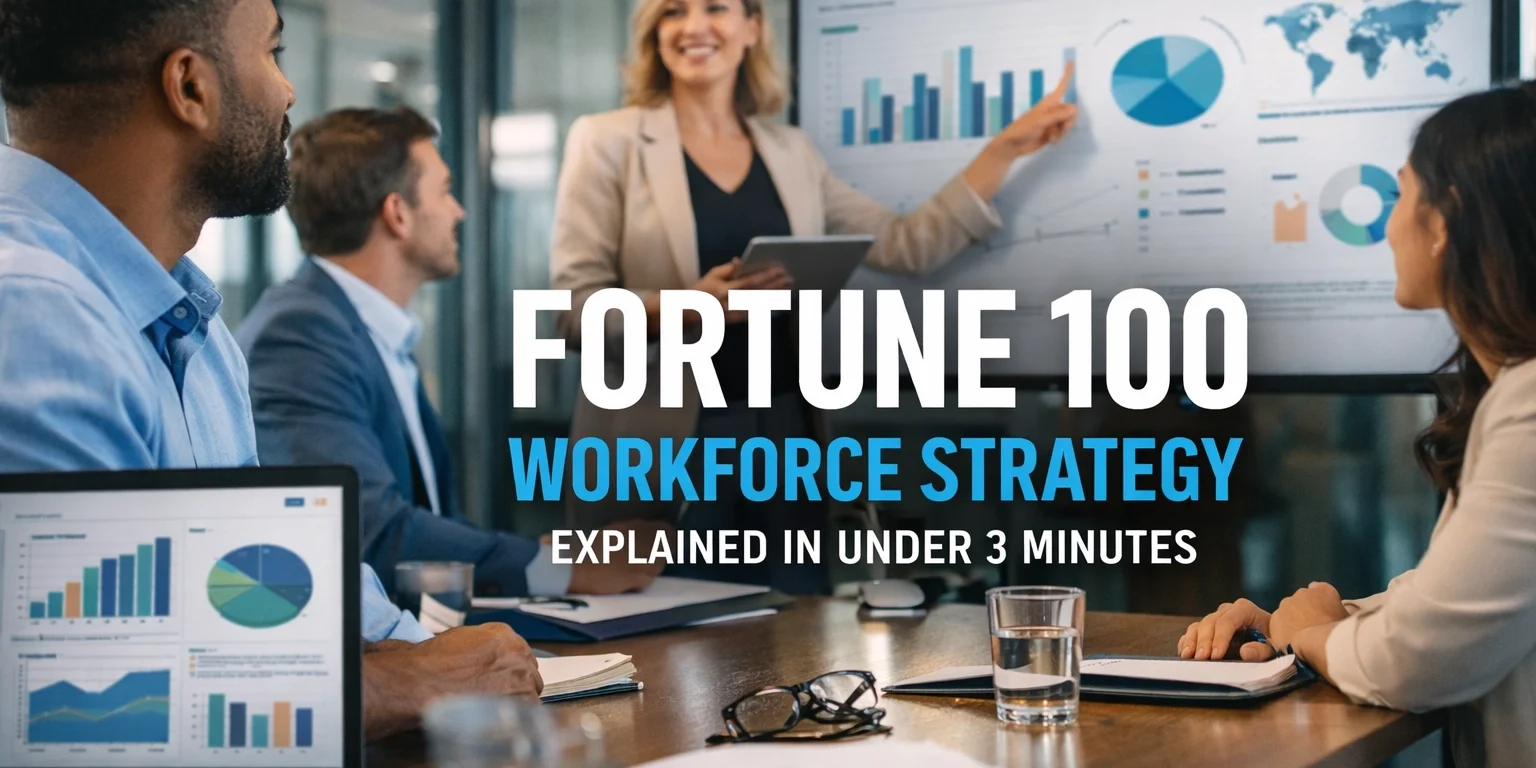
In the high-stakes environment of Fortune 100 boardrooms, the most valuable currency isn’t just capital: it is human potential. For decades, workforce strategy was driven by intuition and historical precedent. Today, that has changed. The modern executive leadership at the world's most successful companies now treats talent management with the same analytical rigor as supply chain logistics or financial forecasting.
This post breaks down the three core pillars of this "Future Ready" workforce strategy: data analytics dashboards, Name, Image, and Likeness (NIL) education, and media literacy. By adopting these corporate standards, educational institutions can transition into "Future Ready" anchors that prepare the next generation for the demands of a data-driven economy.
The Shift to Data-Driven Workforce Analytics
The first pillar of the Fortune 100 strategy is the move toward a centralized, data-driven workforce analytics dashboard. In a traditional setting, human resources often operated in a vacuum. Decisions regarding hiring, retention, and training were reactive. In a Fortune 100 environment, these decisions are predictive.
Workforce analytics dashboards provide a real-time snapshot of organizational health. These systems track key performance indicators (KPIs) such as time-to-hire, diversity metrics, skill gaps, and employee sentiment. By consolidating this data, leaders can identify trends before they become problems. For example, if data shows a high turnover rate in a specific department, leadership can investigate cultural or systemic issues immediately rather than waiting for an annual review.
For schools and consulting partners, the lesson is clear: data is the foundation of excellence. Implementing programs like Money Smart TV or E-Sports Pod allows for the tracking of engagement and proficiency in ways traditional testing cannot. When we look at workforce strategy through the lens of data, we move away from "guessing" what the future needs and start "building" based on what the data tells us.

Personal Branding and NIL Education: The New Career Hard Skill
While Name, Image, and Likeness (NIL) is a term most often associated with collegiate athletics, its implications for the broader workforce are profound. In the modern economy, every professional is a brand. Fortune 100 companies are increasingly looking for employees who understand their own "personal equity" and how to manage it in a digital world.
NIL education is, at its core, a curriculum in business management. It teaches individuals how to manage contracts, understand intellectual property, and maintain a public persona that aligns with professional goals. For a student, learning the fundamentals of NIL: even if they never play a sport: is a masterclass in entrepreneurship.
At USA Entertainment Ventures LLC, we see this evolution as a critical bridge. When schools incorporate NIL education, they aren't just helping athletes; they are helping every student understand how to navigate a world where digital presence is a primary factor in employability. This is why projects like Zoo Imagery and specialized media platforms are becoming essential. They provide a safe, structured environment for students to learn how to present themselves to the world.
Why NIL Matters to Executives
- Asset Management: It teaches the youth to view their skills and reputation as assets.
- Legal Literacy: Understanding the basics of endorsements and contracts.
- Financial Responsibility: Managing income and taxes associated with a personal brand.
Media Literacy as a Workforce Prerequisite
The third pillar of a modern workforce strategy is media literacy. We live in an era of information saturation. The ability to discern credible data from noise is no longer an "extra" skill: it is a requirement for executive-level decision-making.
Media literacy outcomes include the ability to analyze media messages, evaluate the objectivity of sources, and understand the impact of digital footprints. For a Fortune 100 company, an employee with low media literacy is a liability. They are more susceptible to misinformation, more likely to misinterpret market signals, and less equipped to represent the company in a digital-first world.
Positioning a school as "Future Ready" requires an anchor program that prioritizes these outcomes. By integrating programs focused on Buy Sports Media or digital communication, students learn the "how" and "why" behind the information they consume. This creates a workforce that is resilient and capable of navigating the complexities of modern business consulting and entertainment.

Building the 'Future Ready' School Anchor
To bridge the gap between education and the Fortune 100, we must stop viewing schools as separate from the business world. Instead, the school must become the "anchor" for a Future Ready community. This involves adopting the same technology and data-focused approaches used by organizations like USA Entertainment Ventures LLC.
A Future Ready school is characterized by:
- Technological Integration: Using platforms like Sportrons to bring professional-grade media and data into the classroom.
- Industry Alignment: Ensuring that curriculum reflects the current needs of the business consulting and media sectors.
- Measurable Outcomes: Using analytics to ensure every student is meeting the literacy and personal branding benchmarks required by top-tier employers.
This alignment doesn't just benefit the students; it benefits the economy. When the workforce is prepared with the right tools: specifically data literacy, media literacy, and brand management skills: the entire business ecosystem thrives.
The Executive Summary of Strategy
If you were to distill the Fortune 100 workforce strategy into a 3-minute pitch, it would look like this:
- Audit with Data: Use dashboards to see the truth of your talent pool. Stop relying on anecdotes.
- Invest in Brand Equity: Treat Name, Image, and Likeness as a fundamental business skill. Teach people to own their identity.
- Prioritize Literacy: In a digital world, the ability to process information correctly is the ultimate competitive advantage.
By following this roadmap, organizations can move from being reactive to being proactive. Whether you are leading a consulting firm or an educational institution, the goal is the same: creating a workforce that is not just ready for today, but prepared for whatever the next decade brings.

Actionable Takeaways for Leadership
For those looking to implement these strategies within their own organizations or school districts, consider these immediate steps:
- Centralize Your Data: Look into workforce analytics tools that can provide a single source of truth for your talent metrics.
- Launch an NIL Workshop: Don't wait for a mandate. Introduce students or junior employees to the concepts of personal brand management and intellectual property.
- Evaluate Media Literacy: Conduct an audit of your current training programs. Do they address how to handle digital misinformation or how to interpret complex media signals?
- Partner with Experts: Utilize the expertise found in firms like USA Entertainment Ventures LLC to provide the framework and technology needed to bridge these gaps.
The future of the workforce is already here. It is digital, it is data-driven, and it is deeply personal. By embracing the pillars of data analytics, NIL education, and media literacy, we aren't just training employees: we are developing the leaders of tomorrow.

In conclusion, the strategy used by the world's most successful companies is accessible to anyone willing to embrace data and modern literacy. The transition to a "Future Ready" model is not just a business necessity; it is a societal one. As we look toward the horizon, the companies and schools that prioritize these areas will be the ones that define the next century of American enterprise.
For more information on how we are helping shape these outcomes, explore our Project Portfolio or learn more about our specific initiatives like Pure Box Water and EV Across America. The road to the future is being built today, and it starts with a smarter, more data-informed workforce strategy.





