
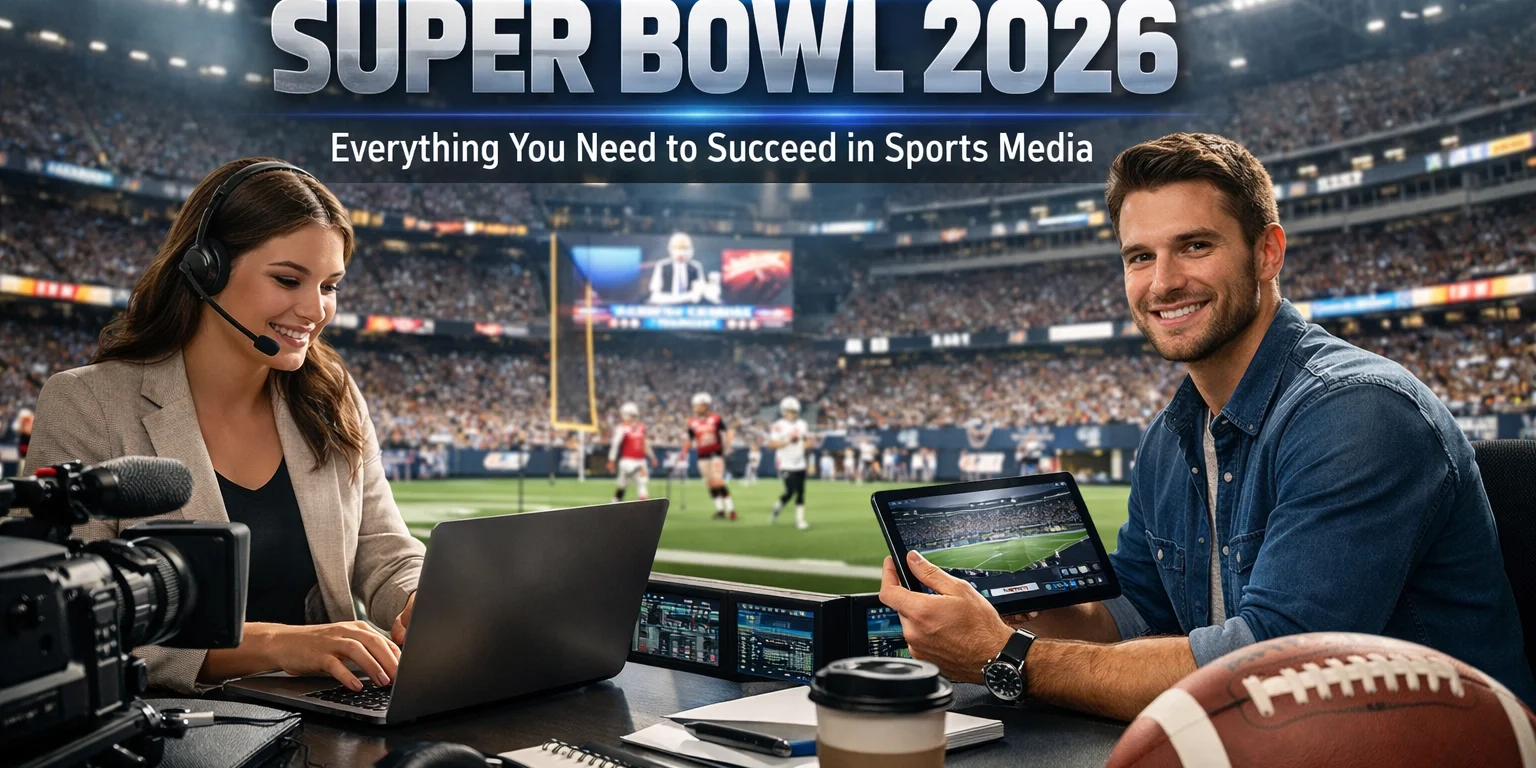
The dust has settled on Super Bowl LX, held on February 8, 2026, at Levi’s Stadium in Santa Clara, California. While the Seattle Seahawks celebrated a 29–13 victory over the New England Patriots, the real story for business leaders and marketers isn't just the final score. It is the massive evolution of the sports media landscape that took place during this event.
In the high-stakes world of sports media, the Super Bowl remains the ultimate benchmark. For brands looking to make an impact, understanding the mechanics of this year's broadcast, entertainment integration, and advertising strategy is essential. At USA Entertainment Ventures LLC, we specialize in navigating these complex waters through Business Consulting, ensuring our partners are not just spectators but active participants in the future of media.
The Media Landscape of Super Bowl LX
Super Bowl LX represented a pivotal moment in the transition between traditional broadcasting and the digital-first era. Aired on NBC and streamed extensively on Peacock, the game reached a staggering audience, with official attendance at Levi's Stadium topping 70,823. However, the true reach was measured in the hundreds of millions across global streaming platforms.
The broadcast team, led by Mike Tirico and Cris Collinsworth, utilized advanced augmented reality (AR) graphics to provide real-time player data, a trend that is rapidly becoming the standard for sports engagement. For media professionals, the takeaway is clear: data is no longer a secondary component of the broadcast; it is the core of the viewer experience.

The Super Bowl Playbook: Sports Media's Advertising Strategy
One of our primary focuses this season has been our newsletter, The Super Bowl Playbook – Sports Media's Advertising Strategy. This resource delves into how modern brands are shifting away from 30-second "interruptive" commercials toward integrated narrative experiences.
Advertising during Super Bowl LX wasn't just about the slot; it was about the ecosystem. Brands that succeeded this year utilized a multi-platform approach, starting their campaigns weeks in advance on social media and culminating in high-impact visuals during the game.
To understand the scale of this strategy, consider the visual storytelling involved in modern sports media advertising. The following video illustrates the level of engagement required to capture today's distracted audience:
https://www.youtube.com/watch?v=l6J-0zileKE
Key Shifts in 2026 Advertising
- Cultural Integration: The choice of Bad Bunny as the halftime performer was a strategic masterstroke, targeting a diverse, younger, and global demographic. Advertisers mirrored this by incorporating bilingual campaigns and global influencers into their ad buys.
- Narrative Continuity: Successful ads didn't just end when the whistle blew. They directed viewers to interactive mobile experiences, many of which were hosted on platforms like ZooMedia News, bridging the gap between passive watching and active participation.
- The Anniversary Angle: The pre-game festivities featured a U.S. Air Force and Navy flyover to commemorate the United States' 250th birthday. Smart brands leveraged this patriotic sentiment to launch long-term brand equity campaigns rather than focusing solely on short-term sales.

Harnessing the Power of Entertainment and Live Events
The opening ceremony, featuring Green Day, served as a tribute to six decades of championship history. This use of nostalgia, combined with the presence of Super Bowl MVPs from past generations, created an emotional anchor for the broadcast.
In sports media, these "hero moments" are where the highest value lies for sponsors. By aligning a brand with the history and prestige of an event like Super Bowl LX, companies can achieve a level of trust that standard digital ads cannot provide. Through our work at 360 Sports Media, we help businesses identify these specific alignment opportunities long before the kickoff.
The Role of Data-Driven Consulting
Succeeding in sports media requires more than just a large budget; it requires a surgical approach to data. The 2026 Super Bowl showed us that audience segmentation is more granular than ever. Fans watching on Peacock had different interactive options and ad sets than those watching on the traditional NBC feed.
As a business consulting firm, USA Entertainment Ventures LLC emphasizes the importance of technical literacy in media planning. Understanding the "back-end" of how these broadcasts are delivered: from server latency in streaming to the logistics of on-site activation: is what separates successful ventures from costly failures.
Actionable Takeaways for Brands
- Audit Your Digital Infrastructure: Before committing to a major sports media buy, ensure your digital platforms can handle the surge. We often recommend a thorough review through Sports Media experts to prevent site crashes during peak engagement.
- Invest in "Secondary Screen" Content: Most viewers are on their phones while watching the game. Your strategy must include content specifically designed for this second screen.
- Leverage Local Influence: With the game hosted in the San Francisco Bay Area, local relevance was high. Future Super Bowls will continue this trend of localized "mega-events" that require specific regional marketing strategies.

Why Expert Guidance Matters
The complexity of the 2026 media environment proves that the era of "set it and forget it" advertising is over. The integration of live performance, national celebrations, and high-tech broadcasting means that every variable must be managed.
Dan Kost and the team at USA Entertainment Ventures LLC have spent years building the frameworks necessary to navigate these shifts. Whether it's through ZooMedia or our various specialized portfolios, we provide the authoritative voice and strategic direction needed to maximize ROI in the sports entertainment sector.
The Super Bowl is no longer just a game; it is a 24-hour media cycle that begins months before the first snap and continues long after the trophy is raised. To win in this environment, you need a playbook that is as dynamic as the game itself.

Looking Toward the Future of Sports Media
As we look toward 2027 and beyond, the lessons of Super Bowl LX will serve as our foundation. The move toward more immersive, interactive, and globalized sports content is accelerating. Businesses that adapt now by embracing new technologies and strategic consulting will be the ones leading the industry in the coming decade.
The integration of sports, entertainment, and media is not just a trend: it is the new reality of global business. By focusing on factual data, cultural relevance, and technical excellence, your brand can achieve the same level of success we saw on the field in Santa Clara.
For those ready to take the next step in their media journey, we invite you to explore our specialized services and join us in shaping the future of sports entertainment. The game has changed; make sure you have the right team in your corner.





