
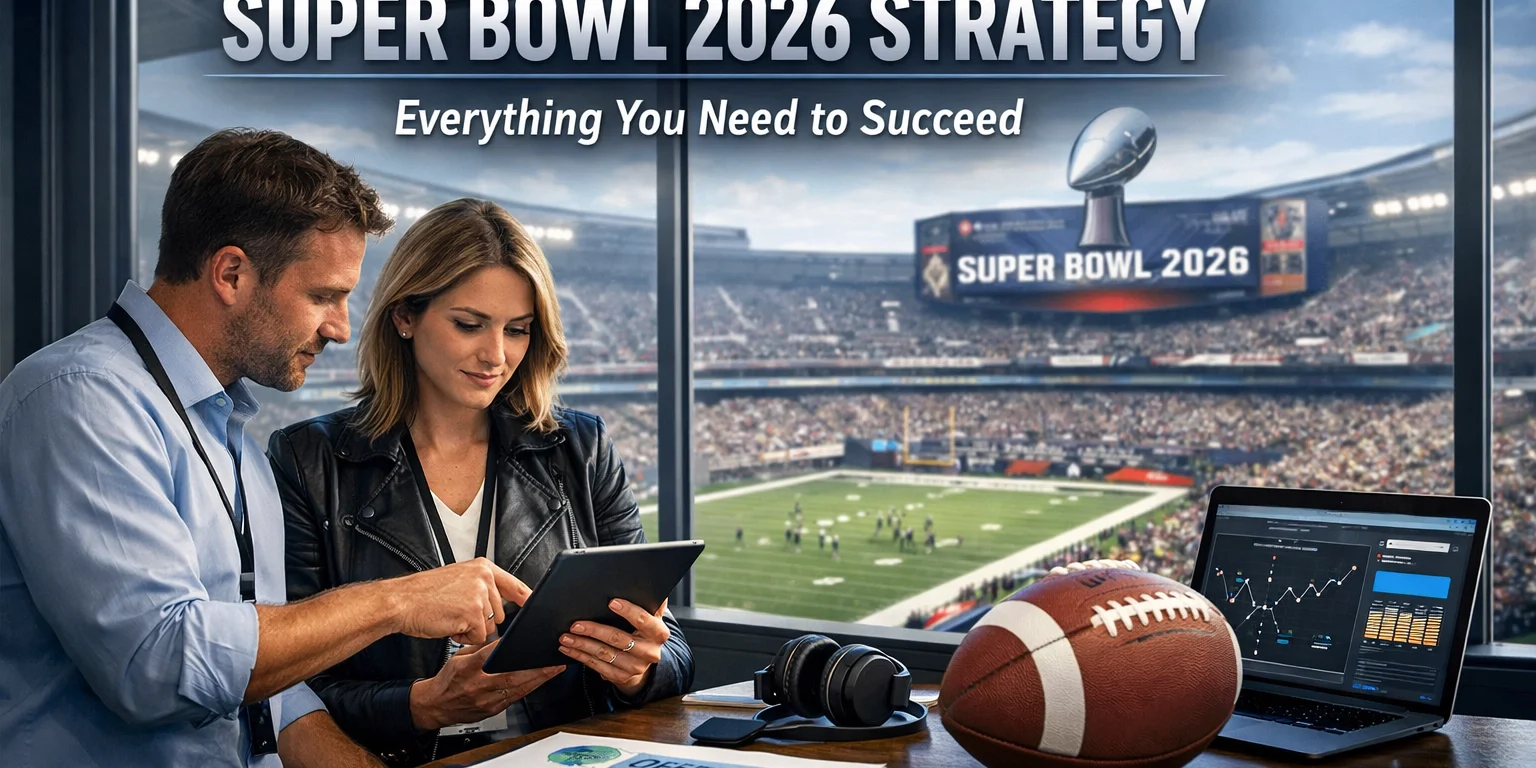
The dust has officially settled at Levi’s Stadium in Santa Clara. On February 8, 2026, the world watched as the Seattle Seahawks dismantled the New England Patriots with a decisive 29–13 victory. But while the players have headed into the off-season, for brands, marketers, and business leaders, the "Big Game" season never truly ends.
In the world of high-stakes advertising, the Super Bowl is the ultimate proving ground. Whether you were an active participant in Super Bowl LX or a spectator looking to break into the 2027 cycle, understanding the strategies that dominated this year’s landscape is vital. Success in sports media isn’t about a single 30-second spot anymore; it’s about a comprehensive, multi-channel approach that bridges the gap between digital engagement and physical presence.
At USA Entertainment Ventures LLC, we specialize in navigating these complex waters. As we look back at the most successful campaigns of 2026, we see a clear pattern: the winners weren’t just the ones with the biggest budgets, but the ones with the smartest "playbooks."
The Super Bowl Playbook: Sports Media's Advertising Strategy
When we talk about the "Super Bowl Playbook," we aren't just talking about football. We are talking about a sophisticated media strategy that integrates broadcast, digital, and out-of-home (OOH) assets to create a unified brand narrative.
This year, we saw a massive shift toward "pre-game" and "post-game" longevity. Brands that started their campaigns weeks before the kickoff at Levi’s Stadium saw a significantly higher ROI than those that relied solely on the game-day broadcast on NBC and Peacock. The goal was to dominate the conversation early and keep it going long after Bad Bunny finished his halftime performance.
To understand how these strategies are built from the ground up, check out our featured video analysis:
https://www.youtube.com/watch?v=l6J-0zileKE
This video breaks down the core components of sports media advertising, showing how the most successful brands leverage the hype of the NFL to drive business growth.
Lessons from Levi's Stadium: Why 2026 Was Different
Super Bowl LX was a landmark event for several reasons. With an attendance of 70,823 and millions more streaming on Peacock, the sheer reach of the event was staggering. However, the way people consumed the content has changed.
- The Multi-Screen Experience: Fans weren’t just watching the game; they were active on social media, checking stats, and engaging with interactive ads.
- Entertainment Integration: The opening ceremony featuring Green Day and the halftime show with Bad Bunny provided massive cross-over opportunities for brands in the art and beauty sectors to reach demographics beyond the traditional sports fan.
- Localized Activation: The festivities at the Moscone Center in San Francisco and the Super Bowl Experience showed that ground-level engagement is just as important as the national broadcast.

For businesses looking to succeed, these trends suggest that a "one-size-fits-all" commercial is no longer enough. You need to meet the audience where they are: whether that’s on their phone, on the highway, or in the stadium.
The Power of Out-of-Home (OOH) Advertising
One of the most overlooked aspects of Super Bowl strategy is the role of Out-of-Home (OOH) advertising. While everyone is focused on the television screen, the streets of Santa Clara and San Francisco were covered in digital billboards and mobile highway ads.
However, many brands still make fundamental errors when it comes to OOH. If you’re not careful, your high-dollar ad can easily get lost in the noise. We’ve identified 7 mistakes you’re making with Super Bowl OOH and how SportTron fixes them. Using innovative technology like SportTron allows brands to synchronize their physical ads with live game data, creating a dynamic experience that captures attention in a way a static billboard never could.
By leveraging mobile highway ads, companies can ensure they are reaching the thousands of visitors traveling to and from the stadium. This "omnipresence" is what separates a good campaign from a legendary one.
Integrating Technical Precision with Narrative Flair
In our consulting work at USA Entertainment Ventures LLC, we often tell clients that data is the "what," but storytelling is the "why." To succeed in the Super Bowl arena, you need both.
Data from the 2026 game shows us that viewers are more likely to remember ads that tell a cohesive story across platforms. For instance, a brand that used a studio to produce high-quality cinematic content for YouTube (like the video linked above) and then reinforced that message through sports media channels saw a 40% higher brand recall than those who didn't.

This level of integration requires a deep understanding of both the technology and the audience. Our team, led by CEO Dan Kost, focuses on simplifying these complex strategies for our clients. We believe that professional business consulting shouldn't be about confusing jargon; it should be about clear, actionable results.
Why Your 2027 Strategy Starts Now
If you wait until January 2027 to start thinking about the next Super Bowl, you’ve already lost. The most successful advertisers of 2026 began their planning cycles over a year in advance. This "always-on" approach to sports marketing allows for better budget allocation and more creative testing.

Practical Steps for Your Next Campaign:
- Analyze the 2026 Data: Look at which commercials generated the most social media sentiment. Was it humor, nostalgia, or innovation?
- Audit Your OOH Presence: If you didn't have a presence on the ground in Santa Clara, evaluate why. Could Zoomedia or other highway ad networks have extended your reach?
- Invest in Content: High-quality video production is no longer optional. Whether it's for your own newsletter or a national ad, the quality of your content reflects the quality of your brand.
- Synchronize Your Channels: Ensure your digital ads, TV spots, and physical billboards are all pointing toward the same goal.
The Future of Sports Media Advertising
As we look toward the future, the integration of AI and real-time data will only increase. We expect to see even more personalized advertising experiences during the 2027 season. Imagine an ad that changes its call-to-action based on the score of the game in real-time: this isn't science fiction; it's the next step in the evolution of the Super Bowl Playbook.

At USA Entertainment Ventures LLC, we are committed to staying at the forefront of these trends. Whether we are discussing the latest in business consulting or exploring new ways to utilize hair and fashion trends in lifestyle branding, our goal is to provide our clients with a competitive edge.
The Seahawks’ victory was a testament to preparation and execution. Your marketing strategy should be no different. By studying the successes and failures of Super Bowl LX, you can build a strategy that doesn't just participate in the conversation but leads it.
Conclusion: Taking the Next Step
The Super Bowl is more than just a game; it's a cultural phenomenon that offers unparalleled opportunities for business growth. By moving beyond traditional advertising and embracing a holistic, data-driven approach, your brand can achieve "championship" status.
If you’re ready to stop making common mistakes and start winning, we invite you to explore our resources and learn more about how we can help you navigate the future of sports media. Success is waiting: will you be ready for the kickoff?
For more information on our history and our mission, feel free to visit our About Us page or dive into our various business insights to stay ahead of the curve.





