

The landscape of the American economy is undergoing a fundamental shift. As we navigate the midpoint of the 2020s, the conversation among Fortune 100 executives has moved from the theoretical potential of Artificial Intelligence (AI) to the practical necessity of large-scale implementation. However, a significant bottleneck remains: the workforce. To achieve true digital transformation, organizations must look beyond software acquisitions and focus on a national rollout of career-ready infrastructure.
This guide serves as a strategic blueprint for leaders seeking to master AI and cloud readiness through innovative workforce development models. By viewing human capital through the lens of physical distribution and leveraging modern engagement platforms, enterprises can secure a competitive advantage in an increasingly automated world.
The Imperative of Career-Ready Infrastructure
For decades, "infrastructure" referred to roads, bridges, and power grids. In the contemporary business environment, infrastructure must be redefined to include the digital pathways and human competencies required to operate at scale. National workforce development is no longer a localized effort or a series of isolated HR initiatives; it is a critical component of national security and economic stability.
According to recent industry analysis, the gap between available technology and the ability of the workforce to utilize that technology is widening. Fortune 100 companies are finding that while they have the capital to invest in sophisticated cloud environments, they lack the "last-mile" connectivity: the skilled professionals capable of managing these systems.
A career-ready infrastructure focuses on three core pillars:
- Accessibility: Ensuring that training and tools are available regardless of geographic location.
- Scalability: Implementing systems that can train thousands of employees simultaneously using cloud-based modules.
- Sustainability: Creating a pipeline that replenishes itself through continuous learning and adaptation.
For more information on how our consulting services help bridge this gap, visit USA Entertainment Ventures LLC.

The "Trojan Horse" Strategy: Esports and Technical Literacy
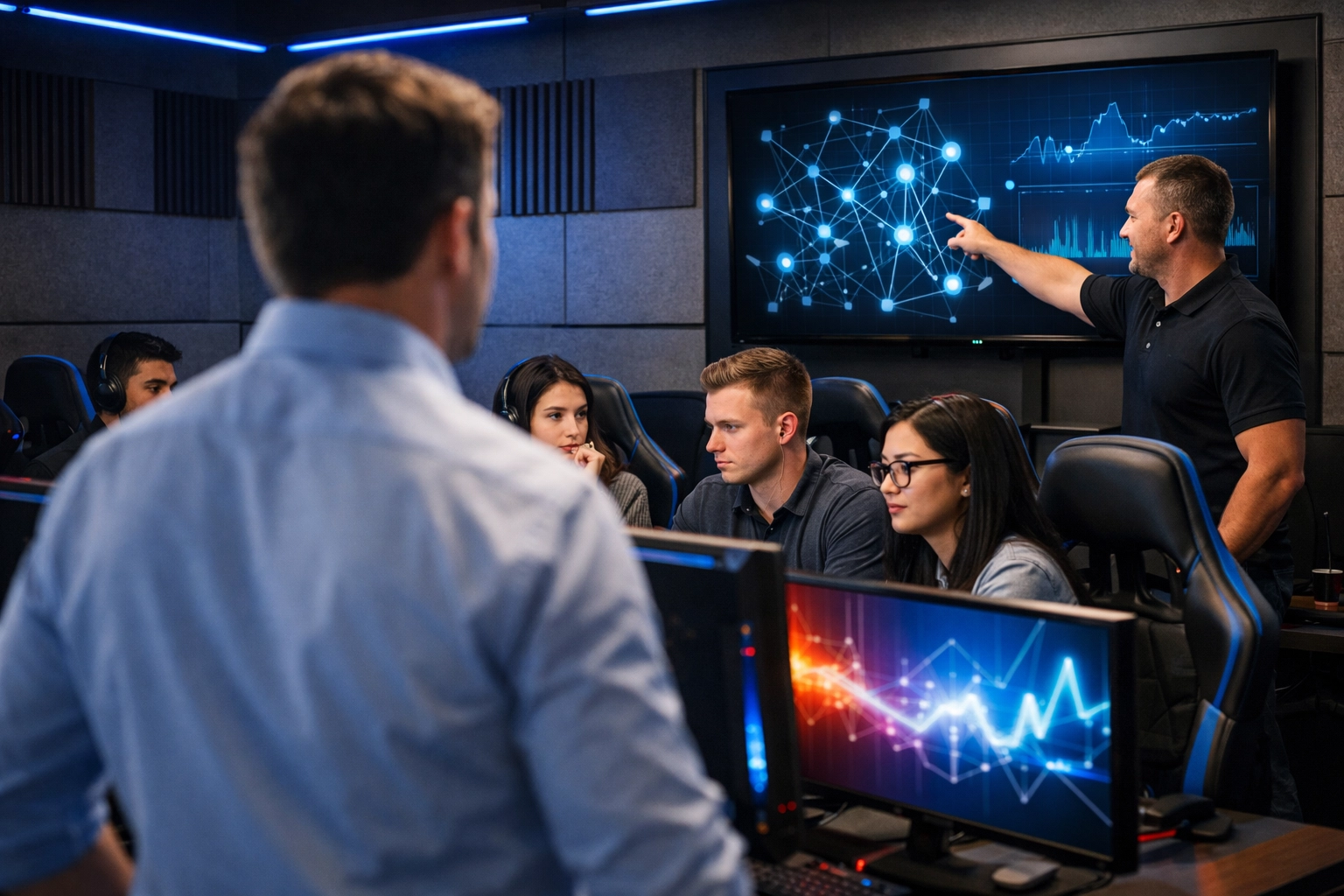
One of the most effective, yet frequently overlooked, methods for driving AI and cloud literacy is the integration of esports into workforce development. While often dismissed as mere entertainment, esports functions as a "Trojan Horse" for high-level technical training.
The mechanics of professional gaming: low-latency networking, real-time data processing, and distributed cloud computing: are the exact same components that power modern enterprise AI. When a participant engages in a high-stakes esports environment, they are inadvertently learning the fundamentals of cloud architecture and data management.
Why Esports Works for the Fortune 100
Executives are increasingly turning to gamified learning environments to solve the engagement crisis in traditional corporate training. By utilizing esports as a gateway, organizations can:
- Demystify Complex Systems: Cloud computing becomes tangible when it is the backbone of a competitive platform.
- Encourage Collaborative Problem Solving: High-level gaming requires team coordination and rapid data synthesis, skills that are directly transferable to the boardroom.
- Attract Next-Gen Talent: The incoming workforce is digitally native. Meeting them where they already spend their time: in gaming and interactive media: is a strategic recruitment move.
The physical distribution of these gaming "hubs" acts as a training ground for the next generation of cloud architects. It is a subtle but powerful method of ensuring that the future workforce is not just familiar with AI, but proficient in its deployment.
The Physical Distribution System for Workforce Development
A primary challenge in national workforce development is the "last mile." How do we ensure that a worker in a rural hub has the same cloud-readiness as one in a tech-heavy metropolitan area? The answer lies in a robust physical distribution system.
This system mirrors traditional logistics but focuses on the delivery of knowledge and specialized hardware. By establishing localized centers of excellence: powered by the same Zoomedia News and media infrastructure used for global entertainment: leaders can ensure that technical literacy is distributed equitably across the nation.
Components of a National Rollout
A successful national rollout requires a coordinated effort between private enterprise and regional infrastructure. Key elements include:
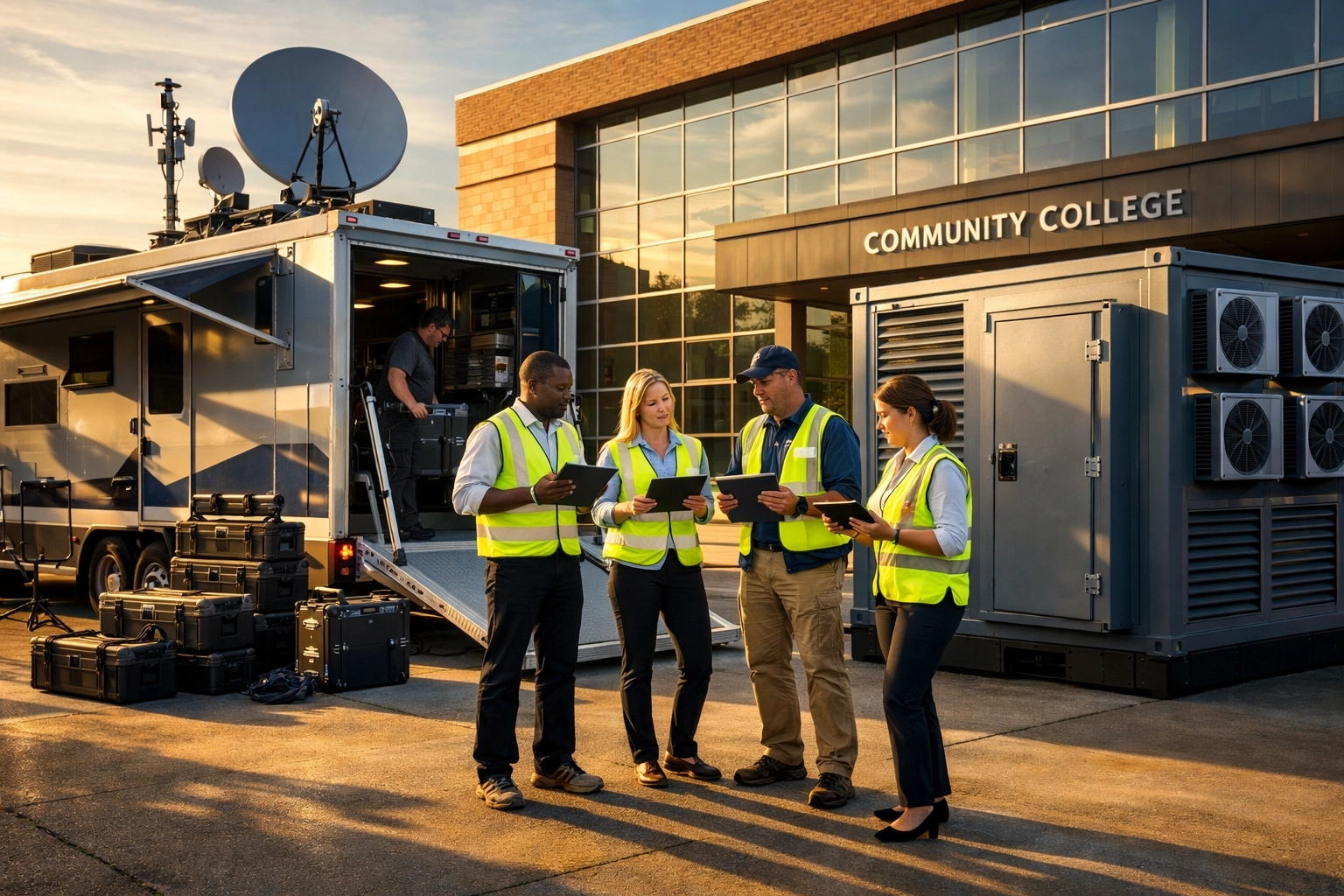
- Mobile Learning Units: High-tech mobile trailers or modular units that bring cloud-computing hardware to underserved areas.
- Edge Computing Hubs: Localized data centers that provide the necessary "horsepower" for AI training without the latency of distant servers.
- Strategic Partnerships: Collaborating with entities like 360 Sports Media to broadcast training and create a culture of technical excellence.
Leading Through the Transition: The Executive’s Role
Mastering AI and cloud readiness is not a task that can be delegated solely to the CTO. It requires a holistic vision from the CEO and the Board of Directors. Leaders must shift their mindset from "hiring for skills" to "building the infrastructure for skills."
In a recent executive summit, it was noted that the most successful Fortune 100 companies are those that treat workforce development as a capital expenditure rather than an operating expense. They are investing in the "human cloud": a distributed network of professionals who are as agile and scalable as the software they manage.
Actionable Takeaways for Leadership
- Audit Your Current Literacy: Conduct a deep-dive analysis of your organization’s cloud and AI proficiency. Identify where the gaps exist not just in IT, but in marketing, sales, and operations.
- Invest in Physical Infrastructure: Support the development of regional training centers. Physical proximity to tech hubs increases the rate of adoption and retention.
- Adopt Gamified Learning: Explore how "Trojan Horse" strategies like esports can be integrated into your internal training programs to boost engagement and technical fluency.
- Leverage Strategic Consulting: Partner with experts who understand the intersection of business consulting and technical rollout. Review our portfolio for examples of how we have facilitated these transformations.
The Future of the Human-AI Collaboration
As we look toward the 2030s, the distinction between "human work" and "AI work" will continue to blur. The winners in this new era will be the organizations that have built the most resilient career-ready infrastructure. By focusing on national rollout strategies and leveraging innovative engagement models, leaders can ensure their workforce is not replaced by AI, but empowered by it.
The transition to a cloud-ready, AI-literate nation is a marathon, not a sprint. However, the first movers: those who invest in the physical distribution of knowledge and the "Trojan Horse" of interactive learning: will set the pace for the rest of the world.
For executives ready to lead this charge, the time to build is now. The infrastructure of tomorrow is being laid today through strategic workforce development and a commitment to national excellence.

Conclusion: A Call to Strategic Action
The path forward for the Fortune 100 is clear. Digital transformation is a human endeavor supported by technical tools. By prioritizing a national rollout of career-ready infrastructure and embracing the unique training potential of esports and distributed learning, leaders can secure their organization's future.
For more insights into the evolving landscape of business consulting and workforce development, explore our sitemap or contact the team at USA Entertainment Ventures LLC. The future of workforce development is here, and it is built on a foundation of cloud readiness and AI mastery.
About the Author: Dan Kost is the CEO of USA Entertainment Ventures LLC, a leading business consulting firm focused on the intersection of entertainment, technology, and national workforce development. With a focus on innovative distribution systems and career-ready infrastructure, Dan helps organizations navigate the complexities of the modern digital economy.





