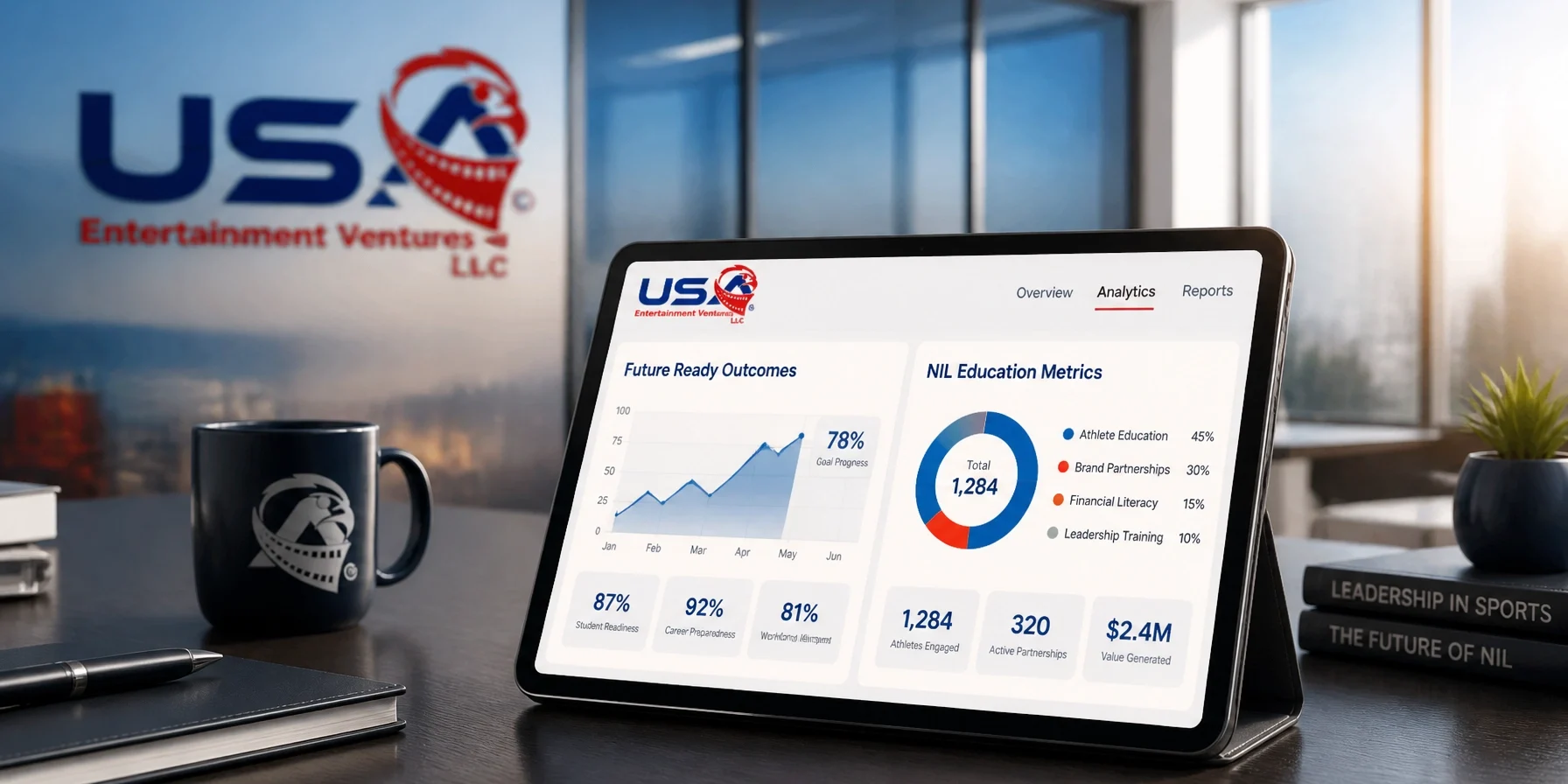
In the rapidly evolving landscape of modern education and professional development, the transition from traditional academic metrics to comprehensive workforce strategy analytics has become a necessity for survival. Today’s educational institutions and corporate partners are no longer just measuring attendance or graduation rates; they are tasked with building "Future Ready" environments that prepare individuals for a complex, media-driven economy.
At USA Entertainment Ventures LLC, we have observed a significant shift in how data is leveraged to drive outcomes. However, as organizations rush to adopt data analytics dashboards and NIL (Name, Image, Likeness) education programs, critical errors often emerge. These mistakes can lead to fragmented strategies that fail to provide students and professionals with the media literacy and entrepreneurial skills required for the 2026 workforce.
This article outlines the seven most common mistakes currently being made in workforce strategy analytics and provides actionable solutions to ensure your institution remains an anchor for future-ready success.
1. Operating with Fragmented Data Silos
One of the most pervasive mistakes in workforce strategy is the lack of a unified data environment. Often, athletic departments manage NIL data, academic departments track media literacy, and career services monitor post-graduation outcomes: all in separate, non-communicative systems.
When data is siloed, it is impossible to see the correlation between a student’s media literacy proficiency and their success in navigating NIL contracts. To be "Future Ready," schools must integrate these metrics into a singular, high-level dashboard. This provides a holistic view of a participant's development.
The Fix: Implement a centralized data management system that bridges the gap between different departments. By integrating services like 360 Sports Media insights with academic performance, leaders can identify which media literacy interventions are most effective in improving real-world contract outcomes.

2. Measuring Participation Instead of Proficiency
A common trap for executive leadership is focusing on "vanity metrics." It is easy to report that 500 students attended an NIL education workshop, but attendance does not equate to mastery. High-level analytics should focus on competency-based outcomes.
Can the student identify misinformation in a media campaign? Can they evaluate the long-term reputational risk of a brand partnership? If your analytics dashboard only shows participation counts, you are missing the depth of the "Future Ready" mission.
The Fix: Shift your analytics focus to proficiency assessments. Use pre- and post-program evaluations to measure growth in media literacy and financial comprehension. Data should reflect a student’s ability to apply knowledge, not just their physical presence in a room.
3. Treating NIL Education as an "Athlete-Only" Metric
With the rise of the influencer economy, Name, Image, and Likeness (NIL) is no longer exclusive to the football field or the basketball court. Every student graduating in 2026 is, in some capacity, a digital brand manager. Failing to include non-athlete students in your NIL and media literacy strategy is a missed opportunity for workforce readiness.
Media literacy is a universal workforce skill. The ability to manage a personal brand and understand the digital landscape is just as vital for a computer science major as it is for a star quarterback.
The Fix: Expand your workforce strategy to include media literacy and digital branding for all students. Use analytics to track how these skills improve employability across various disciplines, positioning your school as an innovative hub for all career paths.

4. The Reactive Analytics Trap
Many organizations only look at their data after a crisis occurs: such as a student-athlete making a detrimental post or signing a predatory contract. Reactive analytics focus on what went wrong in the past rather than predicting what is needed for the future.
Forward-thinking institutions use proactive analytics to identify trends in the digital landscape. By monitoring emerging platforms and media trends through outlets like ZooMedia News, leaders can adjust their curricula before problems arise.
The Fix: Adopt a predictive analytics model. Analyze current media trends and digital consumption habits to forecast the types of literacy skills students will need six to twelve months from now. This proactive stance is what defines a "Future Ready" institution.
5. Ignoring the Ethics of Data Governance
As we collect more granular data on student performance, media habits, and NIL activity, the risk of ethical breaches increases. Many workforce strategies fail because they lack robust data governance policies. If students or participants do not trust how their data is being used, engagement will plummet.
Transparency is the foundation of a successful data strategy. Organizations must be clear about what data is collected, how it is secured, and how it benefits the individual.
The Fix: Establish a clear data ethics framework. Ensure all analytics initiatives comply with modern privacy standards and provide participants with a "data bill of rights." This builds the trust necessary for deep, long-term data collection and analysis.

6. Static Benchmarks in a Dynamic Market
The world of digital media and NIL moves at an incredible pace. A workforce strategy based on 2023 benchmarks is already obsolete in 2026. One of the biggest mistakes is failing to update the "KPIs" (Key Performance Indicators) of your program.
What defined a successful media literacy outcome three years ago: such as "understanding how to use a hashtag": is now a basic requirement. Today’s benchmarks must include things like "evaluating AI-generated content" and "understanding algorithmic bias."
The Fix: Conduct quarterly reviews of your analytics benchmarks. Consult with industry experts and media professionals to ensure your metrics reflect the current state of the market. Staying dynamic is the only way to remain relevant.
7. Underestimating the Importance of Staff Literacy
Finally, the best data analytics dashboard in the world is useless if the staff responsible for implementing the strategy do not understand it. We often see sophisticated dashboards that are ignored by coaches, teachers, and administrators because they haven't been trained on how to interpret the data.
Workforce strategy is a human-centered endeavor supported by data, not the other way around. If your team cannot translate a "low media literacy score" into a specific educational intervention, the data is wasted.
The Fix: Invest in professional development for your staff. Ensure that every stakeholder understands how to read the analytics and, more importantly, how to use that information to drive better student outcomes. Education is the "anchor" that keeps the data-driven strategy grounded.

Conclusion: Building the Anchor for Future Success
Effective workforce strategy analytics are not just about numbers on a screen; they are about the futures of the individuals we serve. By avoiding these seven common mistakes, your institution can move beyond basic reporting and become a true leader in the "Future Ready" movement.
At USA Entertainment Ventures LLC, we believe that the intersection of NIL education, media literacy, and data analytics is where the most significant growth will occur in the coming years. By aligning your strategy with real-world outcomes and proactive insights, you provide your students with the tools they need to navigate the complexities of the modern world with confidence and competence.
The future is data-driven, but it is also human-led. Let’s build strategies that honor both.