
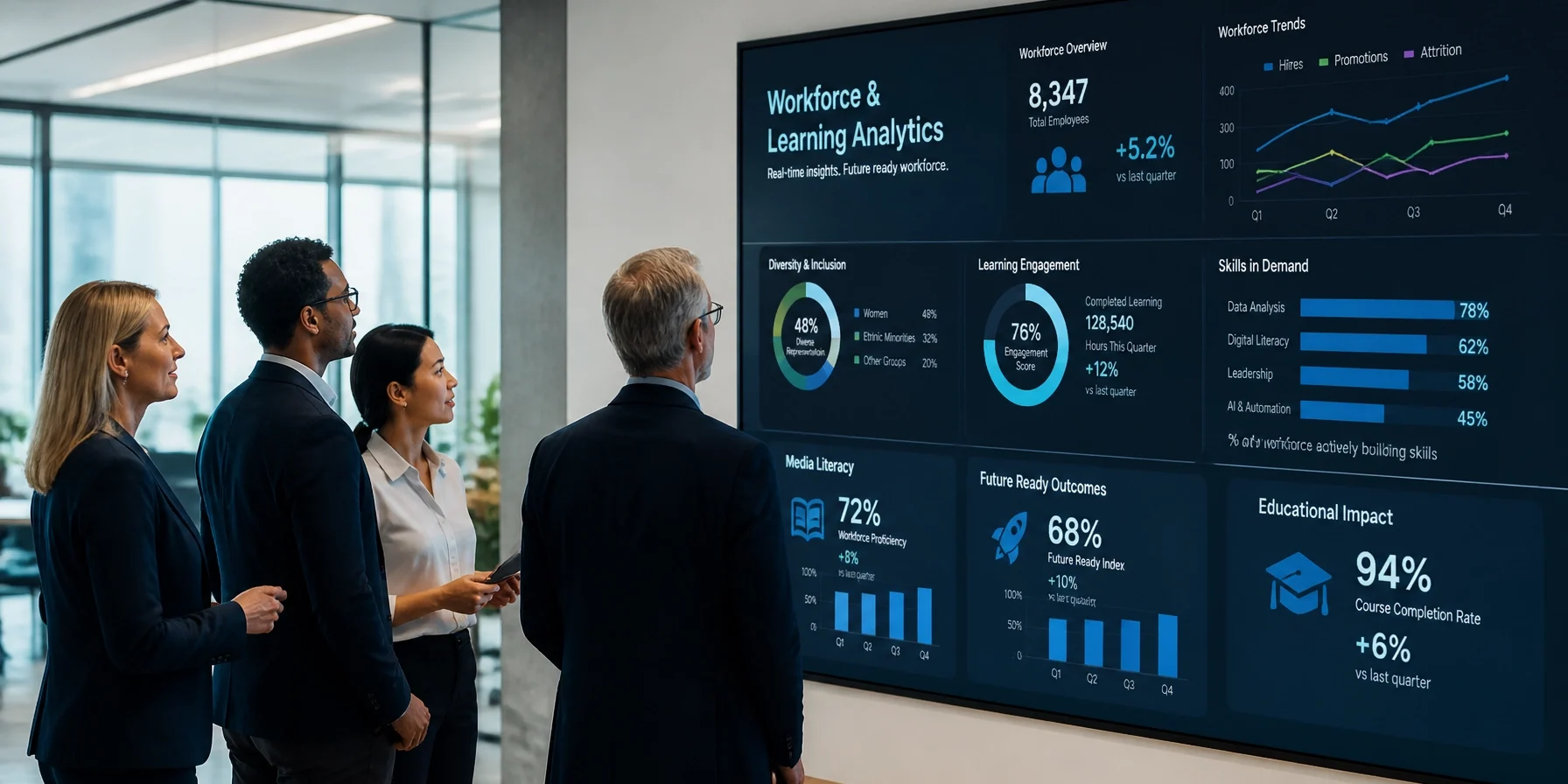
The modern workforce is undergoing a transformation that is as much about data as it is about people. As institutions transition toward a "Future Ready" framework, the ability to align educational outcomes with workforce needs has become a primary differentiator for success. This shift requires more than just administrative oversight; it demands a sophisticated integration of data analytics dashboards into the core of workforce strategy.
For educational leaders and business executives alike, the challenge lies in moving beyond static reports to dynamic, real-time insights. By leveraging data analytics, organizations can ensure that their human capital is prepared for emerging trends such as Name, Image, and Likeness (NIL) education and advanced media literacy. Positioning your organization as an anchor for these initiatives requires a logical, evidence-based approach to management.
The Strategic Alignment: Connecting Education to Workforce Outcomes
To integrate data analytics successfully, one must first identify the strategic goals of the institution. In the context of "Future Ready" schools, these goals often center on producing graduates who are not only digitally literate but also prepared for the complexities of modern branding and media ethics.
Translating Goals into Key Performance Indicators (KPIs)
Data dashboards are only as effective as the metrics they track. When workforce strategy is aligned with educational outcomes, several critical KPIs emerge:
- Skills Gap Index: Measuring the distance between the current competencies of the staff and the requirements of a Future Ready curriculum.
- Instructional Coverage: Tracking the ratio of students to certified media literacy specialists and NIL advisors.
- Professional Development ROI: Analyzing the impact of training programs on teacher performance and student outcomes.
By quantifying these elements, organizations can move from a reactive posture to a proactive strategy. According to recent industry observations, institutions that utilize centralized data systems to monitor these KPIs see a significant improvement in staff retention and program efficacy. You can explore more about high-level workforce planning in The Ultimate Guide to Fortune 100 Workforce Strategy.

Building the Foundation: Data Centralization
The integration of dashboards requires a unified data foundation. Many organizations suffer from "data silos," where HR information, student performance records, and professional development logs are kept in separate, incompatible systems. This fragmentation prevents a holistic view of the workforce.
Eliminating Silos
To build a "Future Ready" workforce, leadership must integrate various data streams into a single source of truth. This includes:
- Human Resource Information Systems (HRIS): Managing staff records, demographics, and roles.
- Learning Management Systems (LMS): Tracking the integration of media literacy into the curriculum.
- Financial and Payroll Systems: Monitoring the cost-effectiveness of specialized roles and stipends for technology initiatives.
Centralizing this data allows for self-service analytics, enabling department heads and principals to make informed decisions without waiting for manual reports. For those looking to dive deeper into the technical aspects of these integrations, our Technology category provides ongoing insights into the digital tools shaping the industry.
Practical Implementation: NIL and Media Literacy
A key component of a contemporary workforce strategy is the inclusion of specialized education tracks like NIL and media literacy. As the landscape for student-athletes and digital creators changes, the workforce must adapt to provide the necessary support.
The Role of Media Literacy
Media literacy is no longer an optional skill; it is a core competency for the 21st-century workforce. Dashboards should track the proficiency of instructional staff in media ethics, digital citizenship, and information verification. This ensures that the organization can objectively measure its progress toward being a "Future Ready" institution.
Integrating NIL Education
NIL (Name, Image, and Likeness) education has become a critical requirement for schools supporting student-athletes. Integrating NIL metrics into workforce strategy involves identifying staff who can provide guidance on branding, contract negotiation, and digital ethics. Dashboards can help identify which departments lack these specialists, allowing for targeted recruitment or professional development.
By monitoring these metrics, schools can position themselves as leaders in student development, attracting top talent and providing a safer, more transparent environment for students to navigate their professional brands. More information on the intersection of media and education can be found in our Media section.

The 'Future Ready' Anchor: USA Entertainment Ventures LLC
USA Entertainment Ventures LLC serves as a vital anchor for schools and organizations aiming to become "Future Ready." Our expertise in management and business consulting allows us to bridge the gap between educational frameworks and workforce execution.
DOD SkillBridge and Recruitment
One of the most effective ways to bolster a workforce strategy is through the Department of Defense (DOD) SkillBridge program. This initiative allows transitioning service members to gain civilian work experience through internships during their last 180 days of service.
By integrating SkillBridge recruits into specialized roles: such as media literacy coaches or workforce analysts: organizations can benefit from the disciplined, technical expertise of military personnel. USA Entertainment Ventures LLC facilitates this recruitment, ensuring that "Future Ready" schools have the personnel required to implement their data-driven strategies.

Actionable Insights: From Data to Decision-Making
The ultimate goal of integrating data analytics dashboards is to influence decision-making. Data by itself is passive; it is the interpretation and application of that data that drives change.
Establishing a Leadership Cadence
To ensure dashboards are utilized effectively, organizations should establish a regular cadence for data reviews. Monthly workforce readiness meetings should focus on:
- Reviewing Attrition Trends: Identifying "flight risks" in critical digital literacy roles before they leave.
- Scenario Planning: Using predictive analytics to model the impact of expanding a media literacy program to new grade levels.
- Equity Audits: Ensuring that future-ready resources and staff are distributed equitably across all school locations.
As Dr. James Richards, a leading expert in educational technology, recently noted: "The most successful schools of the next decade will not be those with the most data, but those with the most actionable data. Dashboards must be the compass for every hiring and training decision."
Moving Toward a Data-Driven Future
The integration of data analytics dashboards with workforce strategy is not a one-time project but an ongoing commitment to excellence. By aligning educational outcomes like NIL education and media literacy with clear workforce KPIs, organizations can ensure they remain competitive and "Future Ready."
USA Entertainment Ventures LLC remains committed to providing the management expertise and recruitment pipelines: including DOD SkillBridge: necessary to support these transformations. As we look toward the future, the institutions that embrace a factual, data-grounded approach to their workforce will be the ones that thrive.
We encourage leadership teams to evaluate their current data infrastructure and consider how a more integrated approach can benefit both their staff and the students they serve. For more insights on professional management and business development, visit our Business category.





