
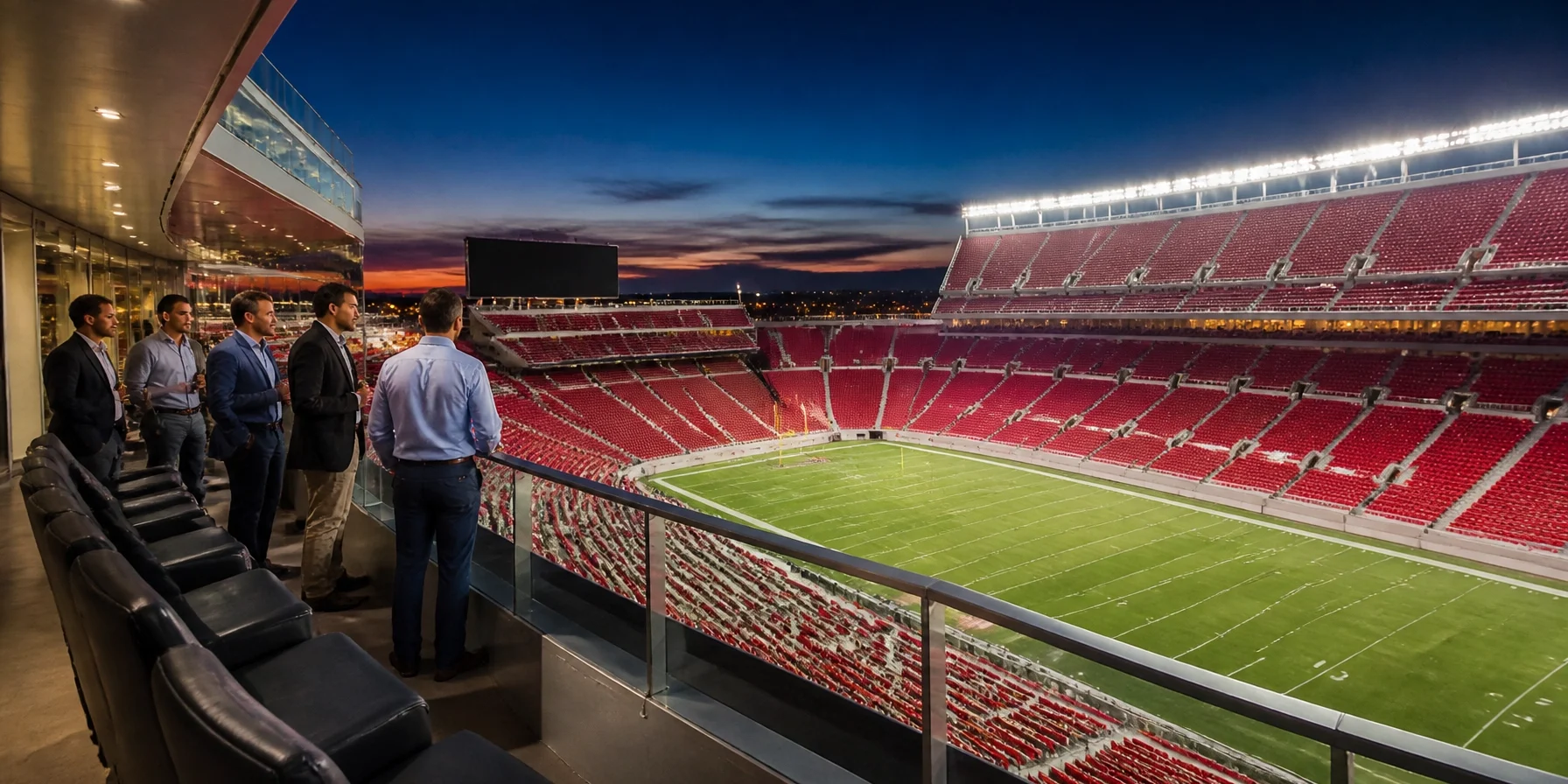
As the sports world pivots toward February 8, 2026, the arrival of Super Bowl LX at Levi’s Stadium in Santa Clara represents more than just a championship game. For brands, consultants, and media strategists, it is the zenith of a shifting advertising paradigm. In an era where a 30-second television spot is projected to cost upwards of $10 million, the margin for error has vanished. Success in this environment requires a synthesis of veteran-led precision, advanced data analytics, and a multi-channel approach that extends far beyond the four quarters of play.
At USA Entertainment Ventures LLC, we understand that managing a brand’s presence during the "Big Game" is not merely about buying airtime; it is about orchestrating a comprehensive ecosystem of influence. This guide outlines the strategic pillars necessary to dominate the Super Bowl 2026 landscape, from out-of-home (OOH) dominance to the integration of the Department of Defense (DOD) Skill Bridge talent into your media operations.
The 2026 Media Landscape: A $10 Million Stakes Game
The economic trajectory of Super Bowl advertising continues to defy traditional market cooling. Industry data suggests that viewership for Super Bowl LX will likely exceed 125 million domestic viewers, bolstered by the high-tech allure of the Bay Area host site. However, the true challenge for 2026 is the fragmentation of attention. While the primary broadcast remains the "hearth" of the American living room, the "second screen": smartphones, tablets, and social feeds: is where the conversation is won or lost.
To succeed, organizations must move away from the "one-and-done" commercial mindset. A modern strategy involves a 72-hour execution window surrounding the game, supported by weeks of teaser content and months of post-game retargeting. As emphasized in our Sports Media advertising strategy, the goal is to turn a fleeting moment into a permanent brand association.
Video: The Sports Media Playbook
Before diving into the technical strategies, it is essential to understand the sheer scale of the modern sports marketing machine. Watch the following overview of how professional media management defines the arena:
https://www.youtube.com/watch?v=l6J-0zileKE
Strategic Pillar 1: Omnichannel Dominance and the Sporttron Network
Digital clutter is at an all-time high. To cut through the noise, successful brands in 2026 are returning to the physical world: but with a digital-first edge. Out-of-home (OOH) advertising has evolved from static billboards into interactive, high-impact touchpoints.

Through our proprietary Sporttron digital network, advertisers now have access to ribbon boards and jumbotrons in over 780 venues nationwide. This allows a brand to synchronize its message across the country simultaneously. Imagine a scenario where, at the exact moment of a Super Bowl touchdown, your brand’s creative lights up sports bars, arenas, and transit hubs from New York to Los Angeles.
This "any sport, any venue, anytime" capability ensures that your message is not confined to the living room. By leveraging Zoomediaus and Mobile HWY Ads, brands can own the environment where fans eat, travel, and celebrate. Research from Kantar indicates that cross-platform storytelling: pairing TV spots with physical OOH activations: increases brand recall by up to 40% compared to TV-only campaigns.
Strategic Pillar 2: The DOD Skill Bridge and Veteran Precision
One of the most overlooked aspects of a successful Super Bowl strategy is the quality of the workforce executing the plan. The complexity of managing multi-million dollar media buys and logistics requires a level of discipline that is often found in the military. This is why USA Entertainment Ventures LLC heavily emphasizes the DOD Skill Bridge recruitment program.

The DOD Skill Bridge allows transitioning service members to gain civilian work experience during their last 180 days of service. For Fortune 100 companies, this provides a pipeline of highly disciplined, technically proficient talent ready to manage high-stakes operations. Whether it is logistics for an on-site activation at Levi’s Stadium or the data-heavy management of a Fortune 100 workforce strategy, veterans bring a unique "mission-first" mentality to the business consulting world.
Incorporating veteran talent into your Super Bowl war room ensures that execution remains flawless, even when variables change in real-time. This structural advantage is a key component of our DOD Skill Bridge recruitment initiatives.
Strategic Pillar 3: Leveraging the NIL Ecosystem
In 2026, the most authentic voices aren't always the retired legends; they are the current student-athletes who define the culture for the next generation. The Name, Image, and Likeness (NIL) landscape has matured into a sophisticated marketing channel.

With access to over 20,000 authentic voices through our NIL platform, brands can bridge the gap between corporate messaging and grassroots fandom. During Super Bowl 2026, these athletes can serve as digital ambassadors, creating real-time content that resonates with younger demographics who may be less engaged with traditional broadcast commercials.
The strategy here is "micro-influence at scale." While a single celebrity endorsement provides broad reach, a coordinated campaign involving hundreds of influential student-athletes provides a depth of engagement and trust that is difficult to replicate.
Strategic Pillar 4: AI as a Human-Centric Helper
The 2026 advertising season will be defined by how brands use Artificial Intelligence. The trend is moving away from AI as a "futuristic gimmick" toward AI as a "helpful partner." In the context of the Super Bowl, this means using AI to enhance the fan experience rather than just automating tasks.

We utilize predictive modeling and fan sentiment analysis to determine the ROI of every placement from day one. AI allows us to:
- Analyze Real-Time Sentiment: Adjust social media messaging in the seconds following a controversial play or a high-impact halftime performance.
- Optimize Media Spend: Dynamically shift budgets between platforms based on where viewers are most engaged during the game.
- Personalize at Scale: Create variations of an ad that feel tailored to specific regional markets, even within a national campaign.
As noted in our research into e-sports and cloud learning labs, the integration of AI and data analytics is no longer optional: it is the foundation of modern business consulting.
The Execution Playbook: A Step-by-Step Approach
To succeed at Super Bowl LX, your organization should follow a structured 72-hour execution plan:
- T-Minus 48 Hours: Launch the teaser sequence and synchronize OOH placements across the Sporttron network. Ensure all "MVPs" (influencers and NIL athletes) are briefed on the strike sequence.
- Game Day (The "Moment"): Activate the war room. Monitor fan sentiment using predictive modeling. Execute the primary broadcast spot while simultaneously triggering second-screen challenges and digital promotions.
- Post-Game (The "Movement"): Transition the narrative from "The Game" to the long-tail impact. Use high-touch concession platforms and charity-linked initiatives (like our Cup Holders for Charity) to maintain a tangible fan experience.
Conclusion: Future-Proofing Beyond the Whistle
The Super Bowl is a spectacular event, but for a forward-thinking business, it is a catalyst for long-term growth. By combining the scale of Sports Media with the precision of veteran-led management and the innovation of AI, brands can ensure their 2026 strategy delivers lasting value.
Success in 2026 is about more than a single commercial; it is about owning the entire ecosystem: the screens, the streets, and the hearts of the fans. As we look toward Levi’s Stadium, the opportunity for dominance is clear. It is time to align your vision with the unmatched expertise of a team that understands the intersection of entertainment, management, and mission-critical execution.





