
The global technology landscape is currently navigating a paradoxical crisis. While the demand for artificial intelligence (AI), cloud architecture, and data analytics has reached an all-time high, the pipeline of qualified professionals is struggling to keep pace. Recent industry data reveals a staggering reality: the United States is facing a developer shortage of approximately 1.2 million professionals. Looking further ahead, the global shortage of software engineers could reach 85.2 million by 2030, potentially risking $8.4 trillion in lost annual revenue.
For enterprise leaders, the traditional method of waiting for talent to emerge from four-year university programs is no longer a viable competitive strategy. The "Fastest" way to build a sustainable talent funnel is not by competing for the same pool of graduates in their senior year, but by engaging with the workforce of tomorrow while they are still in high school.
The Looming Talent Cliff
The urgency for a next-gen talent funnel is underscored by the sheer volume of active job postings. In January 2026 alone, nearly 275,000 job openings required specific AI skills. Furthermore, 45% of tech leaders report critical shortages in AI and machine learning expertise within their departments.
The traditional recruitment cycle: relying on university career fairs and mid-career lateral hires: is becoming prohibitively expensive. Median U.S. tech salaries now exceed $112,000, more than double the national average. When demand outweighs supply by such a significant margin, the only logical business solution is to expand the supply chain itself.

Why High Schools are the New Ground Zero for AI
A common misconception is that high school students are "too young" for technical career tracks. However, data suggests otherwise. Currently, 84% of U.S. high school students report using generative AI tools for their schoolwork. They are already engaging with the technology; what they lack is the structured, industry-aligned guidance to turn that engagement into a professional career path.
By shifting corporate engagement into high schools, companies can establish a 3-to-6-year "runway" for talent. This allows students to build foundational skills in Python, SQL, and cloud fundamentals long before they even step onto a college campus.
Benefits of Early-Stage Engagement:
- Reduced Long-term Costs: Investing in early pipelines allows companies to develop skills internally rather than paying peak market rates for mid-career hires.
- Higher Retention: Data from experimental programs suggests that students who associate a specific brand with their early professional development often feel a higher sense of loyalty and are less likely to leave in their first few years of employment.
- Skills Alignment: Companies can co-design curricula with schools to ensure students are learning the specific cloud stacks and AI frameworks used by the business, reducing future onboarding time.
For a deeper look at how these pipelines are structured, you can read our breakdown on the next-generation talent funnel explained.
The Modular Revolution: From Computer Labs to Career Pods
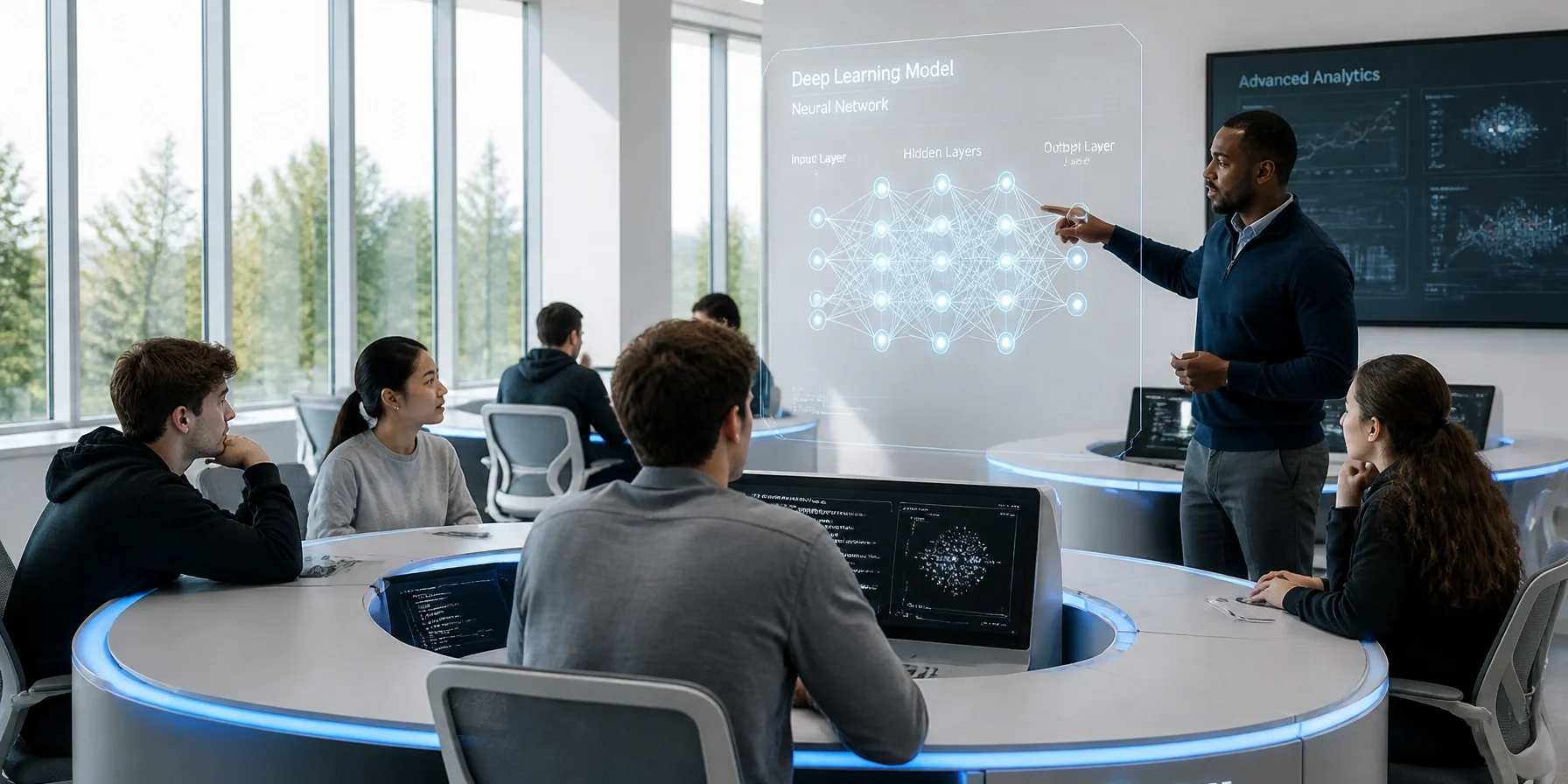
To facilitate this early funnel, the physical environment of high schools must evolve. The static computer labs of the past are being replaced by modular pods: dynamic, technology-rich environments that simulate real-world corporate settings. These pods are not just classrooms; they are incubators for digital-first workers.

These environments allow students to practice technical troubleshooting, cloud security basics, and collaborative data analytics in a high-fidelity setting. Companies that sponsor these pods gain a direct window into student performance, effectively identifying the top 1% of talent years before their competitors do. This shift in infrastructure is vital, as we discuss in our exploration of why modular pods are the new hotspot for cyber careers.
Factual Insights: The ROI of Early Engagement
The shift toward high school engagement is not merely a social responsibility initiative; it is a calculated business move grounded in data. Industry experts emphasize that the skills gap in university graduates: particularly in fast-moving fields like serverless concepts and AI frameworks: is growing.
As noted by IBM’s recent commitment to skill 2 million learners in AI by 2028, large-scale initiatives are already underway. These programs serve as a "brand-neutral" educational foundation that prepares students for immediate entry into apprenticeships or specialized university tracks.
By tracking key performance indicators (KPIs) such as "time-to-productivity" and "retention over three years," organizations can quantify the impact of these early funnels. Avoiding common workforce strategy mistakes often starts with realizing that data-driven recruitment begins long before the first interview.

Practical Steps to Build Your Next-Gen Funnel
Building a talent funnel within the secondary education system requires a structured approach. It is not enough to simply "show up" at a high school; the engagement must be integrated and purpose-driven.
- Establish Dual-Enrollment Partnerships: Partner with local school districts to offer credits for industry-recognized certifications (e.g., Google Cloud, AWS, or IBM AI certifications).
- Implement Project-Based Mentorship: Assign junior engineers to mentor high school cohorts on real-world projects. This not only builds the talent pipeline but also provides leadership opportunities for your existing staff.
- Utilize Simulation Platforms: Use esports or simulation-based pods to collect performance data. This allows for objective identification of technical troubleshooting and leadership skills.
- Standardize Micro-Credentials: Encourage students to earn digital badges that align with your technical stack, creating a seamless transition from the classroom to the corporate office.

Conclusion: Securing the Digital Frontier
The talent shortage in Cloud and AI is a systemic challenge that requires a systemic solution. Waiting for the market to correct itself is a strategy doomed to failure. The organizations that thrive in the next decade will be those that take proactive steps to secure their future workforce today.
By engaging with high school students, companies are not just filling roles; they are fostering a generation of "cloud-native" thinkers who are ready to hit the ground running. This forward-looking strategy is beneficial for both the business bottom line and the broader societal goal of creating a technically proficient, future-ready workforce.
As we look toward 2030, the question is no longer if you should be in high schools, but how fast you can get there.





