
In the current economic landscape, the traditional approach to workforce management is no longer sufficient. As we navigate 2026, the intersection of education, military transition, and the digital economy has created a complex environment that requires more than just human intuition. It requires a data-driven framework.
Many organizations: from corporate enterprises to educational institutions: struggle to align their talent acquisition with long-term strategic goals. This disconnect often results in high turnover, skill gaps, and missed opportunities in emerging sectors like Name, Image, and Likeness (NIL). By identifying common strategic errors and implementing robust data dashboards, leaders can transform their workforce from a cost center into a competitive advantage.
Here are the seven most critical mistakes currently hindering workforce strategy and the data-driven solutions that fix them.
1. Operating in a Reactive "Firefighting" Mode
The most common mistake in workforce strategy is being reactive rather than predictive. Many organizations only focus on recruitment when a vacancy occurs or a crisis arises. This "just-in-time" hiring approach often leads to rushed decisions and a lack of cultural or technical fit.
The Fix: Predictive Talent Dashboards
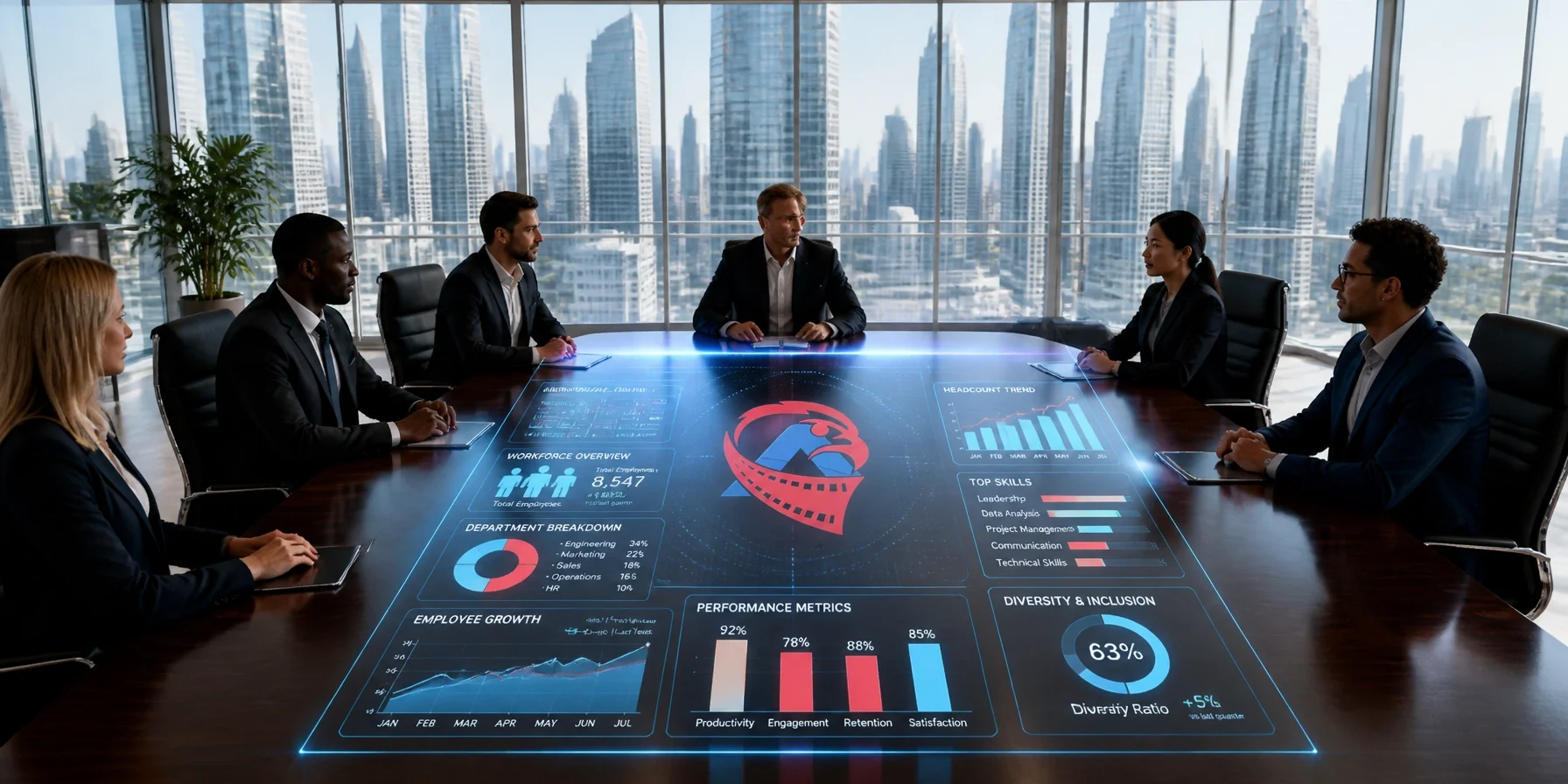
Data dashboards allow executives to move beyond current headcounts. By analyzing historical attrition rates, seasonal demand, and industry growth trends, organizations can forecast their talent needs months in advance. Predictive analytics enable you to build talent pipelines: such as those found in the DOD SkillBridge program: long before a position becomes vacant. This ensures that when a role opens, a qualified, vetted candidate is already in the queue.
2. Relying on Fragmented or "Dirty" Data
Data is only as valuable as its accuracy and accessibility. Often, people data is siloed across HR, finance, and operations departments, living in disparate spreadsheets that rarely talk to each other. When data is fragmented, decision-makers are forced to rely on incomplete pictures, leading to "garbage in, garbage out" scenarios.
The Fix: The "Single Source of Truth" Dashboard
A unified data dashboard integrates various data streams into a single interface. This provides a comprehensive view of the organization’s health, from recruitment costs to employee productivity. For companies looking to cut hiring costs, having a clear, unified view of where every dollar is spent in the talent lifecycle is essential for optimization.

3. Prioritizing Vacancies Over Strategic Growth
Many hiring managers fall into the trap of hiring for the "hole" in the department rather than the goal of the company. If your workforce strategy is built purely on filling empty seats, you are likely ignoring the shifting skill requirements of the future.
The Fix: Strategic Growth Forecasting
Dashboards should be mapped to the company’s three-to-five-year growth projections. Instead of tracking "positions filled," track "competency acquisition." If your organization is expanding into digital media or international markets, your dashboard should highlight how many incoming hires possess the specific media literacy or language skills required for that expansion. This shifts the focus from filling a role to building a future-ready team.
4. Overlooking NIL Education as a Talent Strategy
For educational institutions and organizations connected to collegiate athletics, failing to integrate Name, Image, and Likeness (NIL) education is a significant strategic oversight. In 2026, NIL is not just for elite athletes; it is a foundational component of personal brand management and financial literacy for the modern student.
The Fix: NIL Literacy Tracking
Future-ready schools are now implementing programs that treat NIL as a professional development track. Data dashboards can track student engagement with NIL education, measuring outcomes in financial literacy, contract negotiation, and brand ethics. By quantifying these outcomes, schools can demonstrate their value as "Future Ready" anchors that prepare students for the complexities of the modern digital economy.

5. Ignoring Media Literacy Outcomes
Media literacy: the ability to access, analyze, evaluate, and create media in various forms: is no longer an optional soft skill. It is a fundamental workforce requirement. Organizations that ignore media literacy outcomes risk digital reputation damage and employee susceptibility to misinformation.
The Fix: Media Literacy Benchmarking
A modern workforce dashboard should include metrics on media literacy training and outcomes. This involves tracking how well employees or students can navigate digital information environments. High media literacy scores correlate with better decision-making and improved digital security. Positioning your organization or school as a leader in media literacy ensures that your "Future Ready" workforce is equipped to handle the rapid influx of digital information.
6. Using Shallow "Vanity" Dashboards
Not all dashboards are created equal. Many leaders make the mistake of tracking "vanity metrics": such as total headcount or number of resumes received: without digging into the data that actually drives performance. A dashboard that is cluttered with irrelevant data is just as useless as no dashboard at all.
The Fix: Insight-Driven Visualization
Effective dashboards are designed around specific executive decisions. Instead of just showing turnover, show the cost of turnover and the time-to-productivity for new hires. By focusing on actionable insights, such as the efficiency of SkillBridge vs. traditional hiring, leaders can make informed pivots that save time and capital.
7. Isolating Workforce Analytics from the C-Suite
Workforce strategy is frequently siloed within HR, treated as a secondary concern to financial or operational data. When the C-suite does not have real-time access to talent data, workforce planning becomes an annual, static event rather than a dynamic business driver.
The Fix: Real-Time Executive Integration
Workforce dashboards must be part of the daily executive rhythm. When the CEO, CFO, and COO can see real-time talent pipelines and skill-gap analyses, workforce strategy becomes integrated into every major business decision. This executive visibility is what separates stagnant organizations from those that are truly "Future Ready."

The Path to a "Future Ready" Workforce
The mistakes outlined above are symptoms of a legacy mindset in a rapidly evolving world. To thrive, organizations must adopt a more sophisticated approach to talent management, utilizing data dashboards to bridge the gap between education, military transition, and corporate needs.
USA Entertainment Ventures LLC serves as a strategic anchor for this transition. By managing specialized divisions focused on DOD SkillBridge recruitment and business development, we help organizations and schools implement the frameworks necessary for success in 2026. Whether it is through modernizing NIL education or streamlining military-to-civilian recruitment, our goal is to ensure your workforce strategy is data-driven, predictive, and future-proof.

Conclusion
The shift toward a data-centric workforce strategy is not just a trend; it is a necessity for survival. By avoiding these seven common mistakes and leveraging the power of integrated data dashboards, your organization can move from reactive hiring to proactive, strategic talent development. The future belongs to those who are ready for it( are you?)





