
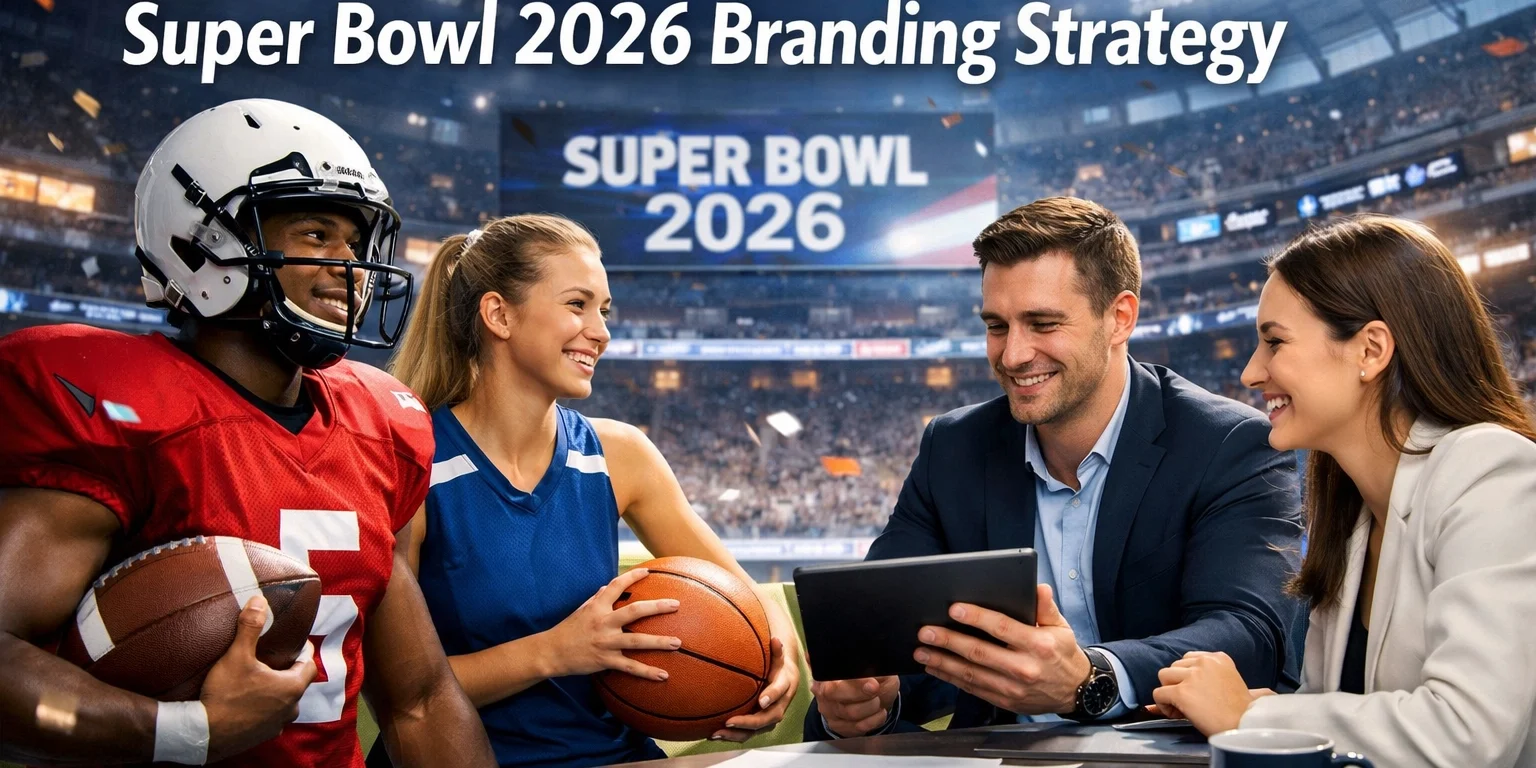
As the dust settles on Super Bowl LX and the sports marketing world looks toward the future of high-stakes advertising, a fundamental shift has occurred in how Fortune 100 brands interact with their audiences. The days of relying solely on a singular, high-priced 30-second television spot are fading. In their place, a more nuanced, digitally integrated, and talent-driven ecosystem has emerged. At the heart of this evolution is the "NIL Revolution": the strategic integration of Name, Image, and Likeness talent into the world’s largest branding stage.
For major corporations, the challenge is no longer just about securing airtime; it is about bridging the gap between traditional brand authority and the authentic, fast-moving world of digital influence. Integrating NIL talent into a Super Bowl strategy requires a move away from seeing athletes as mere endorsers and toward viewing them as creative content partners.
https://www.youtube.com/watch?v=l6J-0zileKE
The Shift from Traditional Endorsement to Content Partnership
The traditional endorsement model is a one-way street: a brand pays a celebrity to appear in a scripted commercial. While this still commands massive reach, it often lacks the authentic connection that modern consumers, particularly Generation Z and Millennials, demand. Research indicates that successful NIL integration treats college athletes as active collaborators rather than static billboards.
When a Fortune 100 brand partners with a standout college athlete, they are not just buying a face; they are accessing a built-in community. These athletes have cultivated social media followings that are highly engaged and fiercely loyal. By involving athletes as creative contributors who maintain their own voice, brands can penetrate markets with a level of transparency that a polished, corporate-produced ad cannot achieve.
Strategic Implementation: Beyond the Game Day
A common mistake in Super Bowl branding is the over-concentration of resources on the four hours of the game itself. Forward-thinking organizations at USA Entertainment Ventures LLC recognize that the Super Bowl is a multi-week narrative. To maximize ROI, NIL talent should be deployed across the entire campaign arc:
- The Pre-Game Build-Up: In the weeks leading up to the event, NIL talent can generate anticipation through behind-the-scenes content, "road to the game" storytelling, and predictions. This builds a narrative bridge between the athlete’s collegiate season and the professional pinnacle of the sport.
- Real-Time Engagement: During the game, these athletes act as "second screen" hosts. While the primary ad plays on the television, the NIL partner is engaging with fans on social media, providing real-time reactions and commentary that keeps the brand at the center of the digital conversation.
- The Post-Game Analysis: The conversation doesn't end with the trophy presentation. NIL partners can maintain brand momentum by analyzing key plays, discussing the halftime show, and sharing personal reflections that extend the campaign’s life cycle for days or even weeks.

Multi-Market Coverage and Regional Dominance
One of the most significant advantages of NIL talent is geographic flexibility. While traditional Super Bowl ads target a national audience with a generic message, NIL partnerships allow for "hyper-local" targeting on a national scale.
A brand can coordinate a fleet of NIL partnerships with student-athletes from universities across the country. This creates a credible local presence in key college towns: markets that are often underserved by traditional Super Bowl spends but possess immense purchasing power. By having a localized "hero" representing the brand in a specific region, a Fortune 100 company can multiply its effective reach without a proportional increase in spending. This is a strategy we often discuss when consulting on projects like Buy Sports Media.
The Recruitment Model: Building the Future Workforce
The most sophisticated brands are beginning to view NIL partnerships as more than just a marketing expense. They see it as an extended recruitment and vetting process. When a company sponsors a student-athlete’s content creation during their college career, they are essentially running a multi-year internship in brand advocacy and media strategy.
Upon graduation, these individuals: already trained in the brand’s values and proven in their ability to engage audiences: become prime candidates for internal roles in marketing, social media strategy, and brand ambassadorship. This dual-benefit model generates high-quality marketing content in the short term while simultaneously developing a pipeline of future team members whose capabilities have been validated on a global stage.

Navigating the Competitive Landscape
The current environment presents a unique opportunity for early movers. While many Fortune 100 companies continue to rely on traditional, high-cost celebrity models, those who pivot toward NIL integration are finding a competitive edge. The key is to shift organizational incentives. Marketing departments should be held accountable not just for immediate campaign performance, but for building long-term competitive capabilities.
The "NIL Revolution" is not just a trend; it is a fundamental restructuring of how influence is brokered in the sports world. Brands that master this integration will find themselves more agile, more authentic, and more connected to the next generation of consumers.

Actionable Takeaways for Fortune 100 Brands
To effectively integrate NIL talent into your ongoing or future Super Bowl strategy, consider the following practical steps:
- Audit Your Talent Selection: Move beyond stats and looking only at the "stars." Look for athletes with high engagement rates and a distinct creative voice that aligns with your brand’s simple and clear messaging.
- Decentralize Creative Control: Allow the athletes to have a say in the content they produce. Their "low-fi" or authentic content often performs better on social platforms than high-budget corporate videos.
- Integrate Across All Platforms: Ensure that your NIL talent isn't siloed in a single social media app. Their presence should be felt across your entire digital ecosystem, from your website to your email newsletters.
- Measure Long-Term Value: Track not just the "likes" and "shares" during the Super Bowl week, but the long-term brand sentiment and the potential for these athletes to join your organization in a professional capacity later.
Bridging the Gap
The Super Bowl remains the ultimate stage for brand storytelling, but the script has changed. As we look forward from the 2026 landscape, the successful integration of NIL talent is no longer an optional "extra": it is the bridge that connects a corporate identity to a living, breathing community of fans.
At USA Entertainment Ventures LLC, we specialize in helping businesses navigate these complex transitions. Whether it is through business consulting or specialized projects like EV Across America, our focus remains on providing simple, effective strategies that drive real-world results.
The NIL revolution is here. By treating college athletes as content partners, leveraging the full campaign arc, and viewing these relationships as long-term investments, brands can ensure their Super Bowl strategy is as innovative as the technology and talent that define our modern era.

As we continue to observe the trends of 2026 and beyond, the brands that prioritize authenticity and strategic talent integration will be the ones that don't just survive the commercial breaks, but lead the conversation long after the game is over. The future of sports branding is personal, digital, and deeply integrated. It’s time to bridge the gap.





