
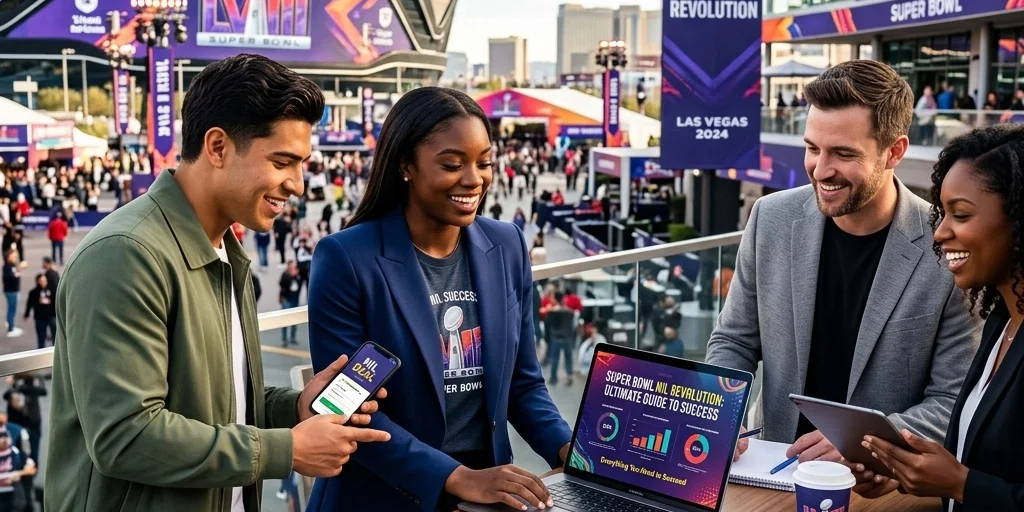
The landscape of sports marketing has undergone a seismic shift. As we navigate the post-Super Bowl LX environment in 2026, the traditional playbook for brand engagement has been completely rewritten. For Fortune 100 brands, the "Big Game" is no longer just a 60-minute football game punctuated by multi-million dollar 30-second commercials. It has evolved into a 72-hour high-velocity content ecosystem driven by Name, Image, and Likeness (NIL) partnerships.
In this guide, we explore how the NIL revolution is bridging the gap between collegiate influence and professional stardom, and why your brand must adapt to this new reality to maintain a competitive edge.
The New Currency of Sports: Understanding NIL in 2026
Since the landmark changes in July 2021, the NIL landscape has grown from a niche legal shift into a billion-dollar industry. NIL: standing for Name, Image, and Likeness: refers to the legal right of athletes to control and monetize their personal brand. By 2026, the market has matured, with student-athletes acting as sophisticated content creators and brand ambassadors long before they ever step onto an NFL field.
For a Fortune 100 company, the value proposition is clear: authenticity. Data indicates that audiences, particularly Gen Z and Millennials, place higher trust in athletes they have followed since their college days than in polished, corporate-produced advertisements. This trust translates into engagement rates that often triple those of traditional celebrity endorsements.
From College Stars to Super Bowl Icons: A Tale of Two Eras
To understand the magnitude of this revolution, one only needs to look at the career trajectories of modern quarterbacks compared to those of just a decade ago.
Consider the contrast between Super Bowl LX standout Drake Maye and veteran Sam Darnold. Maye represents the pinnacle of the NIL era. Before he was even drafted, he had already built a robust portfolio with global brands like Bose and ZOA Energy. By the time he reached the Super Bowl stage, his brand was already a seasoned asset with a pre-existing, loyal digital audience.
In contrast, Sam Darnold entered the league during the "silent era" (2015–2017), where NCAA regulations prohibited athletes from earning a single dollar from their likeness. Darnold reached the professional level with high talent but zero commercial momentum. The "Maye Model" allows brands to invest in a "living asset" that grows in value from the Saturday afternoon college gates to the Sunday night Super Bowl lights.
The 72-Hour Content Ecosystem: Why the 30-Second Spot is Not Enough
While a Super Bowl commercial remains a prestigious milestone, it is often a static investment. Forward-thinking brands are shifting their budgets toward "Social Media Blitzes" and "Collective Action."
1. The Social Media Blitz
During Super Bowl weekend, the volume of sports-related searches and social media activity hits its annual peak. Athletes leverage this by creating themed content that aligns with their personal brands. Whether it is a "day-in-the-life" vlog or a specialized "championship mindset" series, this content rides the wave of global attention without the $7 million price tag of a single broadcast slot.
2. Micro-Influencer Scalability
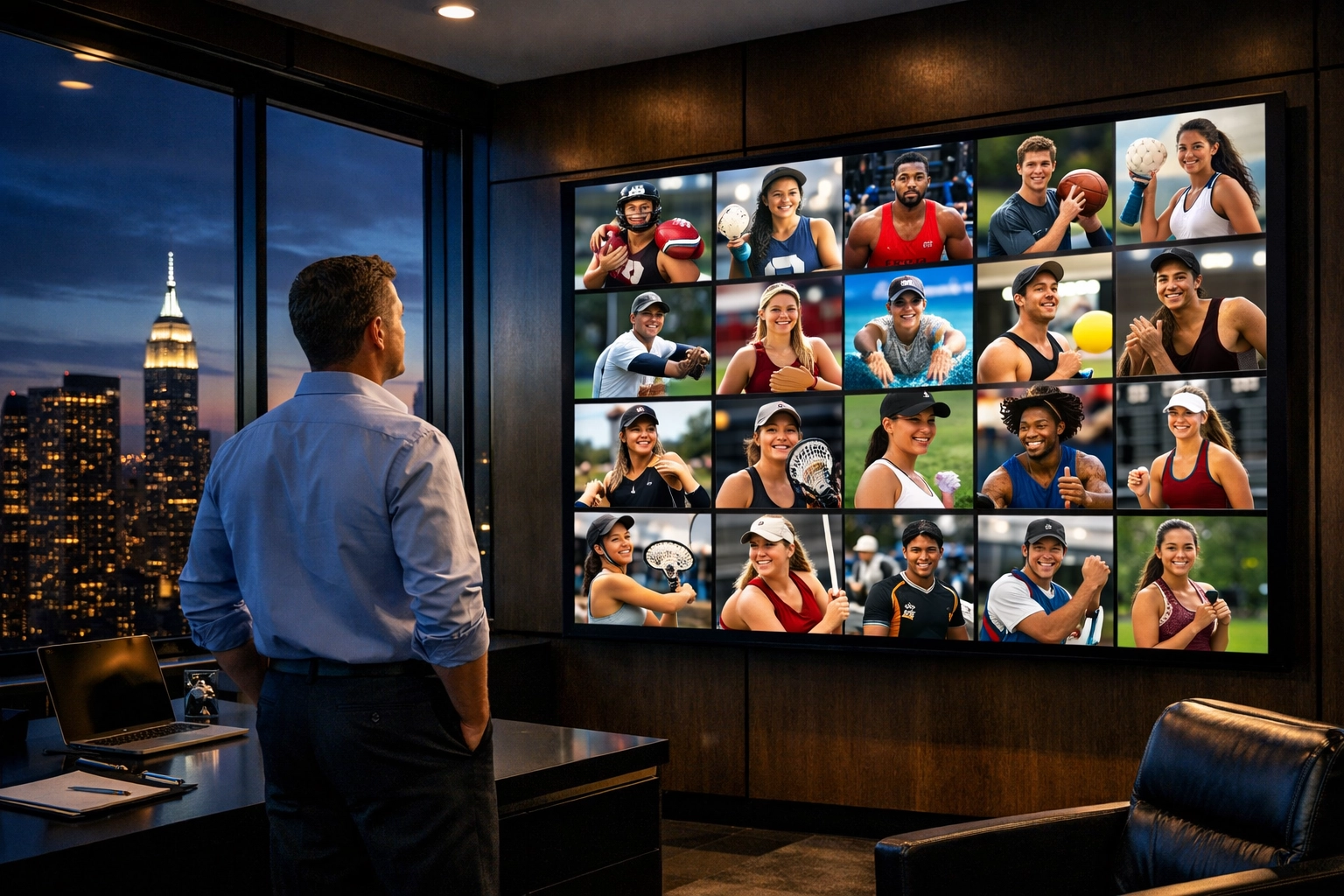
A significant trend for 2026 is the "Power in Numbers" strategy. Rather than spending $1 million on one NFL veteran, brands are discovering they can achieve better ROI by partnering with 100 college athletes for $10,000 each. This distributes the brand message across 100 different niche communities and geographic regions, creating a grassroots groundswell that a single celebrity cannot replicate.
3. Geographic Flexibility
Your brand doesn't have to be in the host city to win the Super Bowl. Through coordinated NIL partnerships, a brand can establish a credible presence in every major college town simultaneously. This hyper-local approach ensures that while the world watches the game, your brand is the conversation in the living rooms of fans nationwide.
For a deeper dive into how to avoid common pitfalls in this space, see our guide on 7 mistakes you’re making with Super Bowl advertising.
Bridging the Gap: The Strategy in Action
Success in the NIL revolution requires more than just writing a check; it requires a strategic bridge between athlete talent and corporate objectives. At USA Entertainment Ventures LLC, we specialize in navigating this intersection.
Watch the video below to see how the NIL Revolution is actively bridging the gap at the Super Bowl:
https://www.youtube.com/watch?v=l6J-0zileKE
Actionable Strategies for Fortune 100 Brands
To succeed in this evolving market, brands must move from a "transactional" mindset to a "developmental" one. Here are four actionable steps for your next campaign:
- Audit Your Athlete Portfolio Early: Don't wait for the NFL Draft. Identify high-potential collegiate athletes whose values align with your brand 18–24 months in advance.
- Prioritize Engagement Over Reach: A mid-tier athlete with a 15% engagement rate is often more valuable than a superstar with a 1% engagement rate. The NIL era is about community, not just eyeballs.
- Leverage Specialized Media Channels: Use targeted platforms like 360 Sports Media or Mobile Highway Ads to ensure your NIL content reaches the right demographic at the right time.
- Structure for Longevity: Treat NIL deals as multi-year partnerships. The goal is to grow with the athlete, moving from their college "Saturday" brand to their professional "Sunday" brand.
The Regulatory Horizon: Managing Risk
Despite the massive opportunities, the NIL landscape remains complex. As of 2026, there is still no uniform federal standard, with individual states and schools maintaining their own sets of policies. For a Fortune 100 brand, compliance is non-negotiable.
This is where business consulting becomes essential. Navigating the patchwork of state laws requires a partner who understands both the legalities and the marketing potential. Brands must ensure that their NIL contracts are flexible enough to adapt to changing NCAA rules while protecting the company's intellectual property and reputation.
The Future of Sports Marketing
The Super Bowl NIL revolution is not a temporary trend; it is the new foundation of sports marketing. The athletes who understand that "attention is currency" are the ones who will dominate the next decade of advertising.
By shifting focus from one-off commercials to integrated NIL strategies, brands can create lasting assets that drive real business results. The gap between the college field and the Super Bowl stage has been bridged: it’s time for your brand to cross it.
At USA Entertainment Ventures LLC, we help brands navigate these complex transitions. From media strategy to talent management, we provide the simple, effective solutions needed to thrive in the modern entertainment landscape.
Conclusion: A Call to Innovation
The 2026 marketing cycle has proven that the most successful brands are those that embrace change rather than resist it. The NIL revolution offers an unprecedented opportunity to connect with fans on a human level, leveraging the stories of athletes who are just beginning their journey to greatness.
As you look toward the next championship season, ask yourself: Is your brand buying a moment, or is it building a legacy? The answer will define your success in the NIL era.
For more insights into the intersection of sports, media, and business, visit our main site at usaentertainmentventures.com.





