

As we move further into the 2026 sports calendar, the Super Bowl remains the undisputed pinnacle of American sports and entertainment. For businesses and high-level enthusiasts, attending or activating at the Super Bowl is not merely about watching a game; it is about a comprehensive fan strategy that encompasses logistics, branding, and tangible connections. At USA Entertainment Ventures LLC, we specialize in navigating the complexities of high-stakes entertainment environments.
However, even the most seasoned professionals often fall into predictable traps when planning their Super Bowl presence. Missteps in ticket acquisition, hospitality, and engagement can turn a high-value opportunity into a logistical and financial burden. To ensure your strategy is optimized for success, we have identified the seven most common mistakes currently being made and the strategic fixes required to correct them.
1. Delaying the Research and Acquisition Phase
A frequent error in fan strategy is the "wait and see" approach. Many organizations and individuals delay their deep-dive research until after the Conference Championship games. While it is natural to wait for the final matchup to be set, this delay significantly limits your options and inflates your costs.
By the time the two competing teams are finalized, the most desirable seating blocks and hospitality packages are often already claimed or subject to massive price surges. Data suggests that early scouting: beginning months in advance: allows for a better understanding of the stadium layout and market trends.
The Fix: Start your scouting process early. Utilize interactive seat maps and historical pricing data to establish a baseline. Engaging with a consulting partner like USA Entertainment Ventures LLC early in the cycle ensures you have the infrastructure in place to act the moment the right opportunity arises.
2. Prioritizing the "Lowest Price" Over True Value
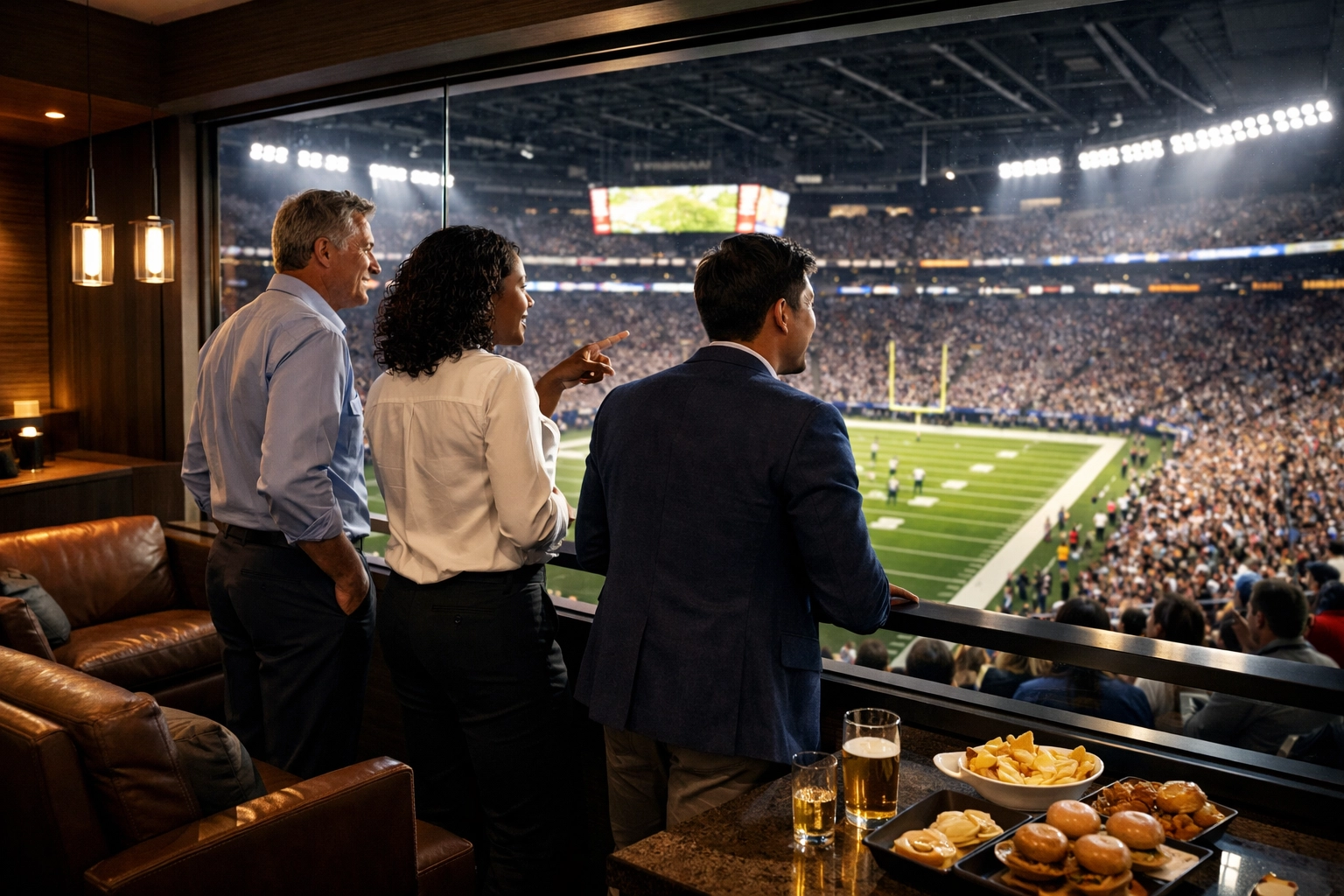
In the world of Super Bowl ticketing, the cheapest ticket is rarely the best deal. Sorting by price alone often leads fans to seats with obstructed sightlines, positions deep in the upper corners, or areas with limited access to stadium amenities.
For a business-focused fan strategy, the goal is often networking and client entertainment. Placing a key stakeholder in a seat where they cannot see the halftime show or the primary scoreboard can damage the perceived value of the experience.
The Fix: Shift your focus from "lowest price" to "value score." This involves evaluating the seat quality, the proximity to club lounges, and the historical visibility of that specific section. A slightly higher investment in a mid-tier seat can yield a significantly higher return in terms of fan satisfaction and engagement.

3. Neglecting Tangible Fan Experiences
In a digital-first world, there is a growing hunger for tangible connections. A major mistake brands make is focusing entirely on digital impressions while ignoring the physical, on-site experience. The Super Bowl is a rare occasion where fans are primed for high-touch interactions.
If your strategy does not include a physical touchpoint or a unique on-site activation, you are missing the chance to create a lasting memory. Tangible experiences: ranging from exclusive pre-game events to high-quality physical mementos: bridge the gap between a brand and its audience.
The Fix: Incorporate physical activations into your strategy. Watch the video below to understand how "Creating Connections" through tangible fan experiences can transform your Super Bowl presence:
https://www.youtube.com/watch?v=l6J-0zileKE
4. Failing to Set a Comprehensive, Multi-Layered Budget
The Super Bowl is an ecosystem, not just an event. A common financial mistake is budgeting solely for the ticket price. In reality, the ticket often represents only 40% to 50% of the total cost of attendance. Travel, high-demand lodging, local transportation, and entry into auxiliary fan events can quickly add $500 to $1,000 in daily "incidental" costs if not planned for.
Without a strict, all-encompassing budget, excitement can lead to impulsive overspending that diminishes the event's ROI.
The Fix: Create a multi-layered budget before browsing any inventory. Include line items for "Logistics," "Hospitality," and "Emergency Contingency." Using professional services like SportsMedia can help you understand the true cost of visibility and attendance in the current market.

5. Overlooking Stadium Staging and Technical Obstructions
Modern Super Bowls are massive television productions. This means the stadium is filled with camera rigs, LED screens, and halftime show staging that did not exist during the regular season. Many fans purchase seats based on regular-season views, only to find their sightline blocked by a temporary broadcast booth or a lighting tower.
Misunderstanding seating levels: such as assuming all lower-bowl seats are superior: can lead to disappointment. In many stadiums, lower-bowl sideline seats are actually more prone to staging obstructions than elevated mid-tier seats.
The Fix: Use interactive maps that specifically account for Super Bowl staging. Research "Seat View" photos from previous high-level events at the same venue to understand how camera rigs impact certain angles. Knowledge of the specific stadium tier is vital for a successful strategy.
6. Betting on Last-Minute Market Bargains
There is a persistent myth that waiting until the hours before kickoff will result in a price collapse. While this may happen for regular-season games, the Super Bowl is a unique market. Demand typically remains high through kickoff, and as the clock ticks down, the "vetted" inventory of tickets shrinks.
Waiting too long often forces fans into the "desperation market," where the risk of fraudulent tickets increases and the ability to choose specific sections vanishes.
The Fix: Recognize that the Super Bowl market is high-demand and low-inventory. Once you find a ticket or a package that meets your criteria and fits your budget, secure it. The peace of mind and the ability to finalize travel logistics far outweigh the slim chance of a last-minute bargain.
7. Ignoring the Synergy of Outdoor and Digital Media
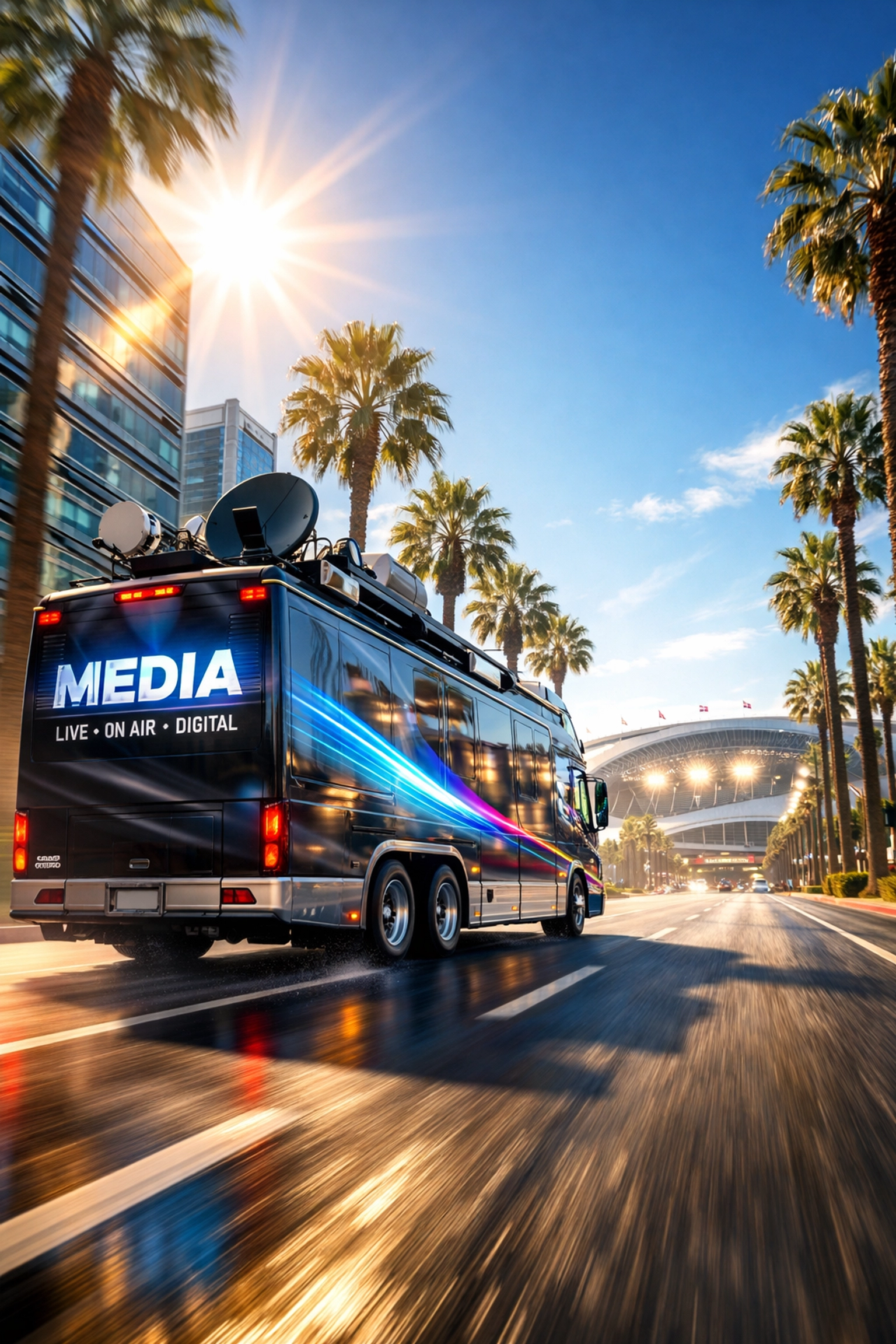
Finally, many fail to integrate their on-site fan strategy with broader media opportunities. The Super Bowl creates a massive concentration of high-net-worth individuals and decision-makers in a single geographic area. If your strategy is confined solely to the stadium, you are ignoring the "highway to the game."
Outdoor advertising and mobile media can act as a powerful funnel, driving fans toward your specific activation or digital platform before they even reach the stadium gates.
The Fix: Think beyond the seat. Explore how MobileHwyAds or 360SportsMedia can amplify your message to fans in transit. A cohesive strategy uses multiple touchpoints: on the road, in the fan zone, and in the stadium: to create a unified brand experience.
Building a Future-Focused Strategy
The Super Bowl 2026 fan experience is an evolving landscape. As technology integrates deeper into sports, and as fan expectations for "tangible connections" rise, the old ways of simply "buying a ticket" are no longer sufficient.
By avoiding these seven common mistakes, you position yourself or your organization to capitalize on the immense potential of the event. A strategic approach: grounded in data, early planning, and comprehensive budgeting: ensures that your Super Bowl experience is not just a game, but a pivotal business and personal success.
If you are looking to refine your entertainment strategy or need expert consulting on navigating the 2026 sports market, visit our specialized divisions at USA Entertainment Ventures LLC. We provide the insights and logistics necessary to turn big events into big opportunities.
The Super Bowl is more than a trophy presentation; it is a cultural phenomenon that rewards those who prepare. Fix these mistakes now, and ensure your 2026 strategy is as elite as the athletes on the field.





