The Super Bowl is no longer just a championship football game; it is the ultimate global stage for brand dominance. As we navigate the landscape of Super Bowl 2026, the stakes for Return on Investment (ROI) have never been higher. For many organizations, the temptation is to focus solely on the sixty minutes of game time. However, true market leaders understand that the Super Bowl is a multi-week ecosystem that requires veteran precision and a strategic legacy to navigate successfully.
At USA Entertainment Ventures LLC, we approach this challenge through the lens of a 40-year legacy. Our recent press release, "Dominating the Arena – Sports Media’s 40-Year Legacy at Super Bowl 2026," highlights how decades of experience in sports media have refined the art of the "big game" activation. Under the leadership of CEO Dan Kost, we have seen the evolution of branding from simple stadium signage to complex, multi-channel digital experiences. To achieve a high ROI in this environment, brands must move beyond the "spectacle" and focus on tactical execution.
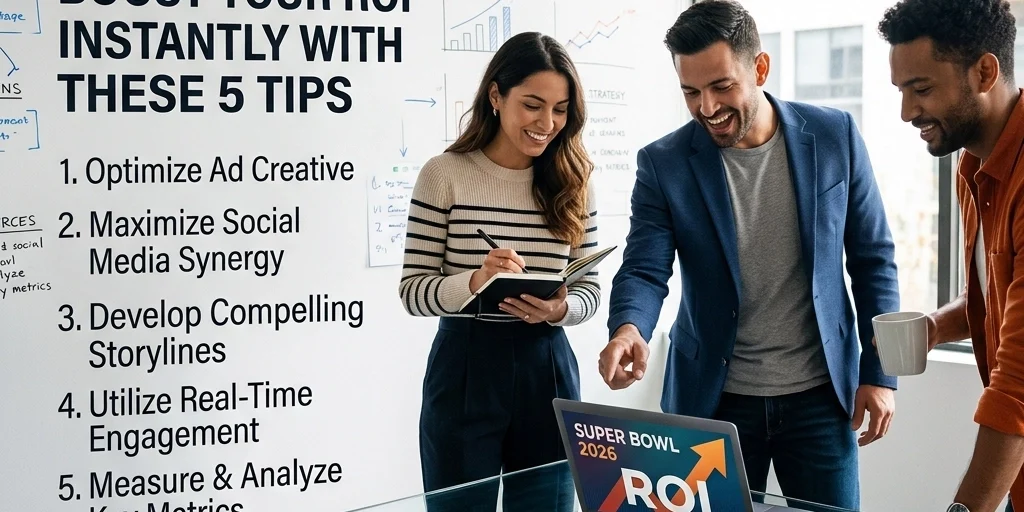
Below, we outline five essential branding strategy tips to ensure your brand doesn't just participate in the Super Bowl conversation but dominates it.
1. The Power of the "Early Bird" Window
One of the most common mistakes brands make is waiting until the week of the game to launch their primary activations. Data from the 2026 season indicates that successful branding is centered on a three-phase campaign approach: anticipation, execution, and retention.
To maximize your ROI, you should launch your campaign by mid-January. This allows your brand to establish retargeting audiences well before the peak competition for attention begins in early February. By starting three to four weeks early, you capture audiences when their receptivity is high and the "noise" of the market is still manageable. Brands that utilize mid-funnel campaigns with user-generated content during this early phase have seen up to a 70% cost-per-like efficiency on social platforms.
Starting early isn't just about being first; it’s about being smart. It allows you to build a pool of engaged users who can then be served more expensive, high-impact conversion ads during the game week. This phased approach lowers your overall acquisition costs and ensures your message has time to resonate.

2. Integrated Channel Synergy: The Bridge Between Physical and Digital
In the modern era of sports media, a billboard is never just a billboard. The most successful brands in 2026 are those that bridge the gap between out-of-home (OOH) advertising, digital platforms, and experiential activations. This is where "veteran precision" becomes a competitive advantage.
When you align your messaging across all touchpoints, you create a seamless brand narrative. For example, a physical activation in the host city should include QR codes or NFC (Near Field Communication) touchpoints that lead the consumer directly to a digital experience or a specific service page. This transforms a passive viewer into an active participant.
According to our internal research and industry standards, location-based experiences that allow for real-time messaging adjustments see significantly higher engagement rates than static campaigns. Whether a fan is walking through the "Super Bowl Experience" or browsing social media in their hotel room, the brand voice must remain consistent and accessible. For those looking to see how these integrations come to life, we invite you to explore our showcase of past successful integrations.
3. Real-Time Agility and Creative Preparedness
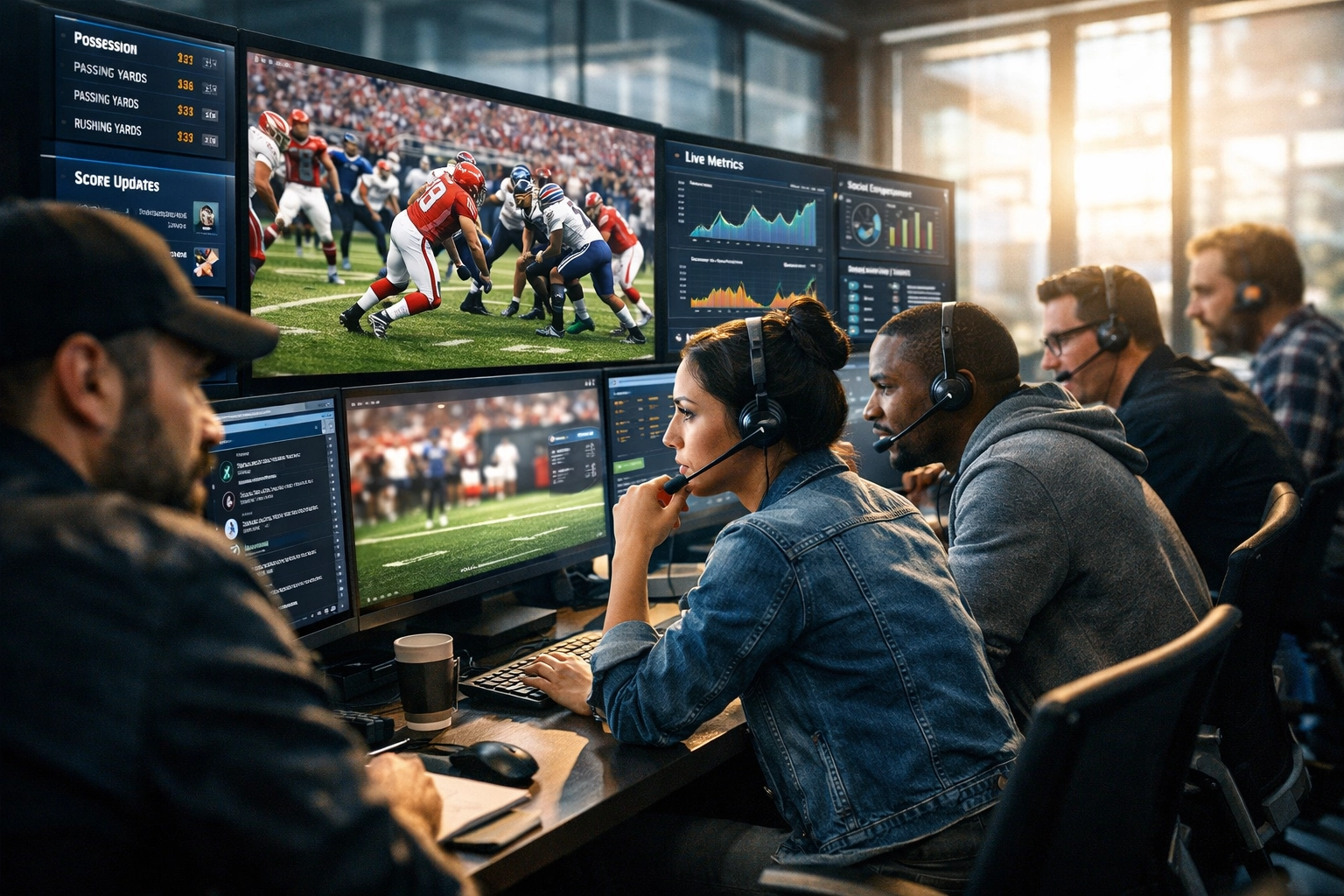
The Super Bowl is unpredictable. A power outage, a miraculous catch, or a controversial halftime moment can become the defining narrative of the event within seconds. Brands that are prepared to capitalize on these "viral moments" are the ones that see the highest immediate ROI.
To achieve this, your creative team must have assets ready for multiple scenarios. This includes:
- Graphics for both possible winning teams.
- "Reactionary" content for high-stress game moments.
- Short-form video clips that can be deployed the moment a meme-worthy event occurs.
Maintaining a consistent digital presence throughout February is critical. Data shows that view rates remain as high as 70% for brands with strategic real-time response capabilities. The difference between a veteran agency and a newcomer is the ability to pivot messaging in seconds without sacrificing brand safety or quality.
Check out this video to see how legacy and modern strategy collide in the sports media world:
https://www.youtube.com/watch?v=l6J-0zileKE
4. Capturing the "Transition" Moments
While the stadium and the "Fan Zone" are the primary focus of most advertisers, the "transition spaces" offer a unique opportunity for high-impact, lower-competition branding. These include transportation corridors, airport departure lounges, and hotel lobbies.
As fans travel to and from the host city, they are often in a "waiting" state, making them highly receptive to new information. Using airport digital displays to reinforce your message as fans head home ensures that your brand stays top-of-mind long after the final whistle. These final impressions are critical for long-term retention and converting a "one-time viewer" into a "long-term customer."
At USA Entertainment Ventures LLC, we emphasize the importance of these corridors in our business consulting services. We believe that the ROI of a Super Bowl campaign isn't just measured by what happens during the game, but by how effectively you capture the fan's journey from their front door back to their front door.
5. Measure Success Through Data, Not Just Buzz
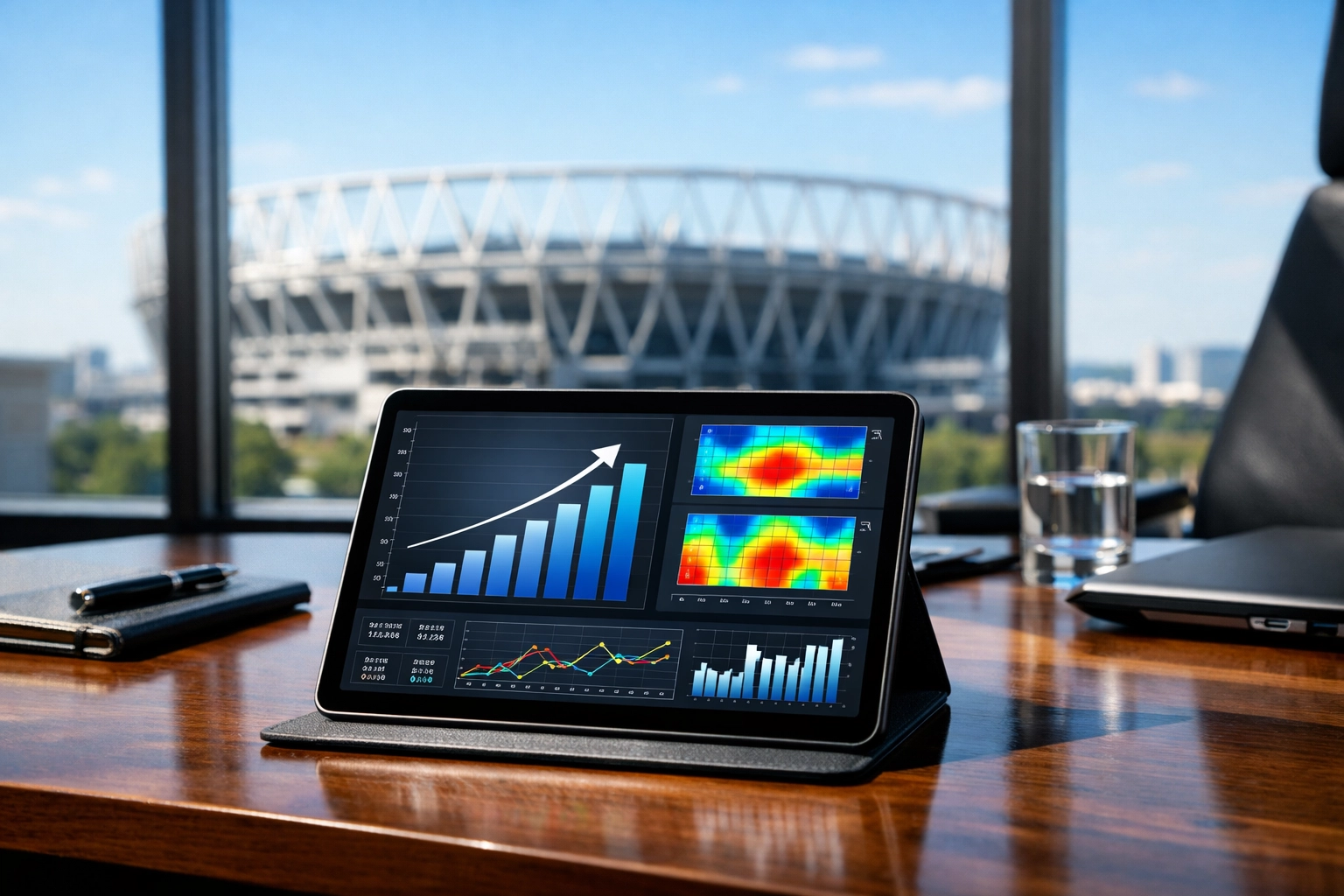
It is easy to get caught up in the "buzz" of a Super Bowl ad. However, a "viral" ad that doesn't drive revenue is a failure of ROI. To truly understand the impact of your 2026 strategy, you must look beyond surface-level metrics like likes or shares.
We recommend using a combination of the following:
- Marketing Mix Modeling (MMM): To understand how your Super Bowl spend influenced various sales channels.
- Brand Lift Studies: To measure changes in consumer perception and purchase intent.
- Return on Ad Spend (ROAS): A direct calculation of revenue generated versus capital invested.
Real success is measured through sustained lifts in awareness and consideration across the entire campaign cycle. By treating the Super Bowl as a multi-week campaign rather than a one-day event, you can apply more rigorous scientific standards to your results.
Grounding Creativity in Brand Truth
While technical strategy is essential, it must be anchored in "Brand Truth." The top-performing ads of 2026 are those that prioritize authenticity and narrative depth over mere spectacle. Consumers are increasingly savvy; they can tell when a brand is "chasing a trend" versus when it is sharing a genuine story.
For example, look at the success of brands that anchor their messaging in clear product benefits rather than just celebrity cameos. When a brand’s creative is platform-native and tied to a clear insight, like a specific product feature that solves a real-world problem, the engagement is significantly deeper. Our team at the agency level focuses on this narrative depth to ensure that every dollar spent contributes to a larger, more meaningful brand story.
The Future of Super Bowl Branding
As we look toward future events, the integration of AI, augmented reality, and personalized digital experiences will only continue to grow. However, the fundamental principles of successful branding, early preparation, channel integration, and data-driven measurement, will remain the same.
The 40-year legacy of Sports Media has taught us that while the technology changes, the human element of storytelling and the need for veteran precision do not. By implementing these five tips, your organization can move beyond the "gamble" of Super Bowl advertising and move toward a guaranteed strategy for ROI growth.
For organizations looking to navigate the complexities of high-level sports branding, we encourage you to reach out to our team at USA Entertainment Ventures LLC. Our consulting approach is designed to provide the clarity and expertise needed to dominate the arena in 2026 and beyond.
Summary of Actionable Takeaways:
- Start by January 15: Build your audiences early to avoid the "ad price spike" and improve retargeting efficiency.
- Sync Your Channels: Ensure your OOH and digital ads work together using QR codes and interactive elements.
- Be Ready to Pivot: Have creative assets prepared for multiple game outcomes to capture viral moments instantly.
- Target the Journey: Invest in transportation hubs and airports to catch fans during high-receptivity transition periods.
- Focus on ROAS: Use Marketing Mix Modeling to ensure your "buzz" is actually turning into "business."
Branding at the Super Bowl is a marathon, not a sprint. With the right strategy and a respect for the legacy of the game, your brand can achieve results that last long after the trophy is raised.

For more information about our history and our approach to entertainment management, please visit our about us page or read our disclaimer for more on our consulting frameworks.