Let’s be honest: most "modern" learning environments are about as cutting-edge as a floppy disk. We’re still trying to prepare people for the 2030 workforce using 1990s floor plans. If your idea of a computer lab involves a row of beige desks under flickering fluorescent lights where everyone can see everyone else’s screen, you’re not just behind the times, you’re actively sabotaging the learning process.
At USA Entertainment Ventures LLC, we see it all the time. Companies and educational institutions want high-tier results in cybersecurity, logistics, and digital media, but they’re housing their talent in spaces designed for filing cabinets.
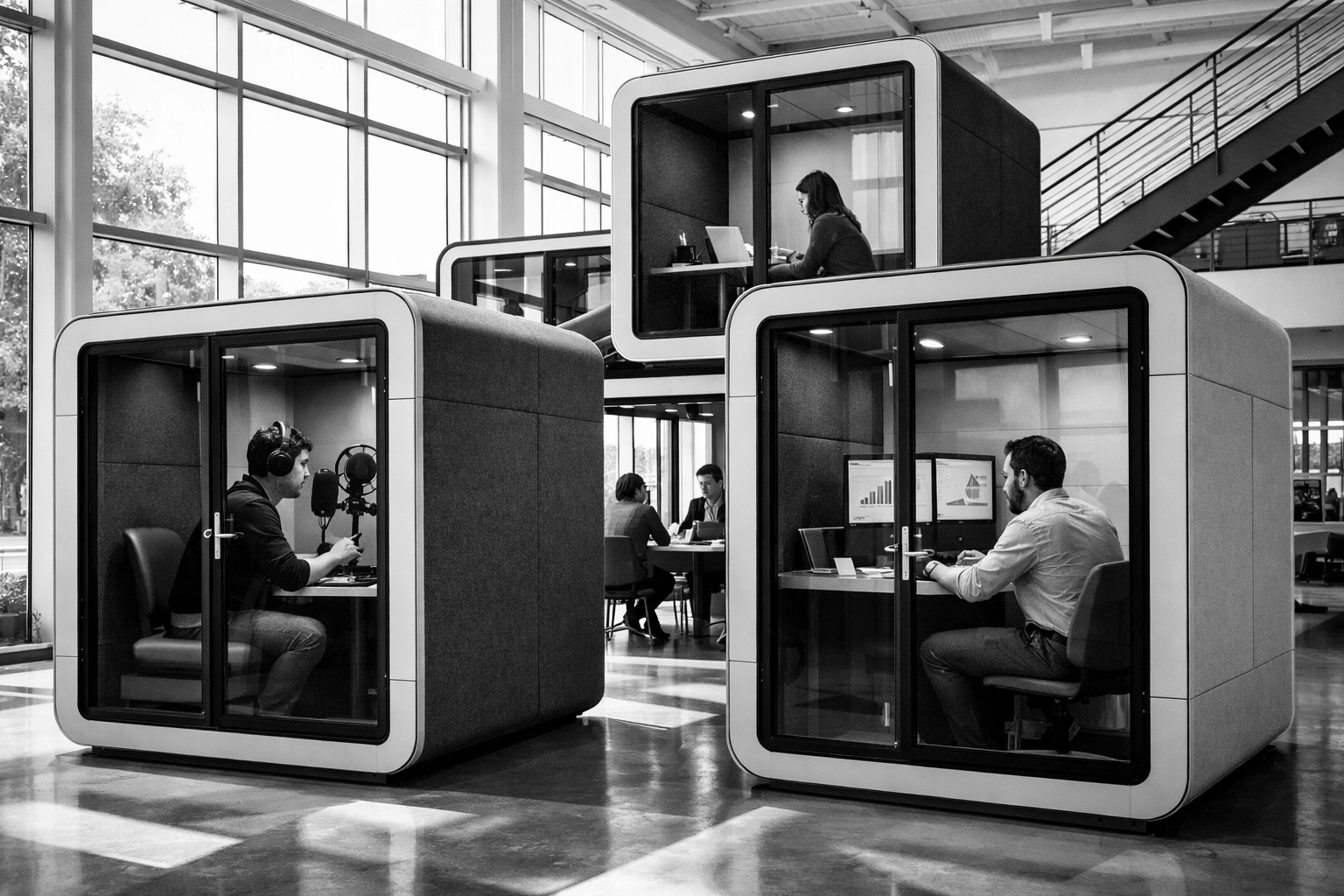
It’s time to talk about the "Pod" revolution. Think of Pods as the refined, evolved version of the computer lab. They are modular, high-tech, and purpose-built. But before we dive into why they’re the future, let’s look at the seven major mistakes you’re probably making right now.
1. The "Open Plan" Distraction Trap
We fell in love with the open-office concept because it looked "collaborative" in architectural renders. In reality, it’s a nightmare for deep work. When you’re trying to learn the intricacies of a global supply chain or write a script for a new content series, the last thing you need is to hear your neighbor’s TikTok or the hum of a communal coffee machine.
Research shows that it takes an average of 23 minutes to get back into "the zone" after a single distraction. In an open learning environment, distractions happen every five minutes.
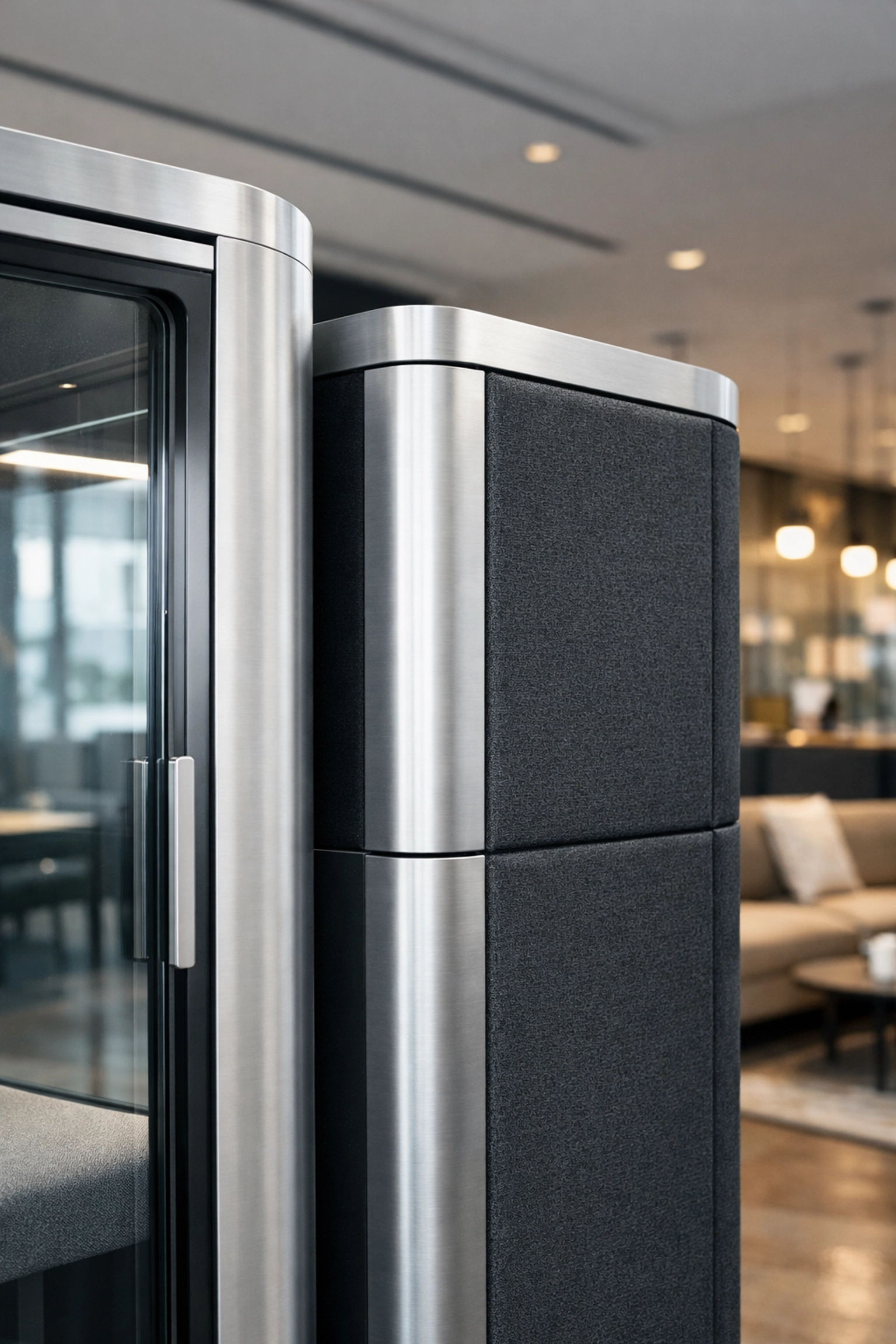
The Pod Fix: Modular units provide immediate acoustic privacy. They create a physical and psychological boundary that tells the brain, "It’s time to work." It’s not about isolation; it’s about intentionality.
2. Ignoring the "Vibe" (Yes, Ergonomics Matter)
If the chair is uncomfortable and the lighting is harsh, the brain checks out. Most traditional environments treat ergonomics as an afterthought, something you buy from a catalog at the lowest possible price.
Poor lighting doesn't just cause eye strain; it affects circadian rhythms and mood. If you're training someone for a high-stress career like cybersecurity, placing them in a dingy room with poor airflow is a recipe for burnout before they even land their first gig.
The Pod Fix: Modern pods come with integrated climate control, adjustable LED lighting (which can be tuned for focus or relaxation), and ergonomic setups that don't feel like a middle-school detention hall.
3. The "Dinosaur" Hardware Syndrome
There is nothing more soul-crushing for a student or trainee than trying to learn 2026 software on 2018 hardware. If your learning environment is tethered to outdated desktop towers that take ten minutes to boot up, you’re losing the interest of your learners instantly.
In fields like content creation, hardware isn't just a tool; it's the entire medium. You can't teach 4K video editing or real-time logistics tracking on a machine that can barely run a web browser.
The Pod Fix: Pods are designed for "plug-and-play" agility. They facilitate the high-speed connectivity and power requirements needed for today’s intensive applications. If you want to see what professional-grade setups look like, check out our showcase.
4. Failing to Account for Sound (The Content Creator’s Nightmare)
We are living in the age of the creator economy. Whether it’s internal corporate training videos or the next big YouTube series, content creation is a top-tier career pathway. However, most learning environments have the acoustic properties of a bathroom.
You can’t record high-quality audio in a room where you can hear the HVAC system or someone walking down the hall.
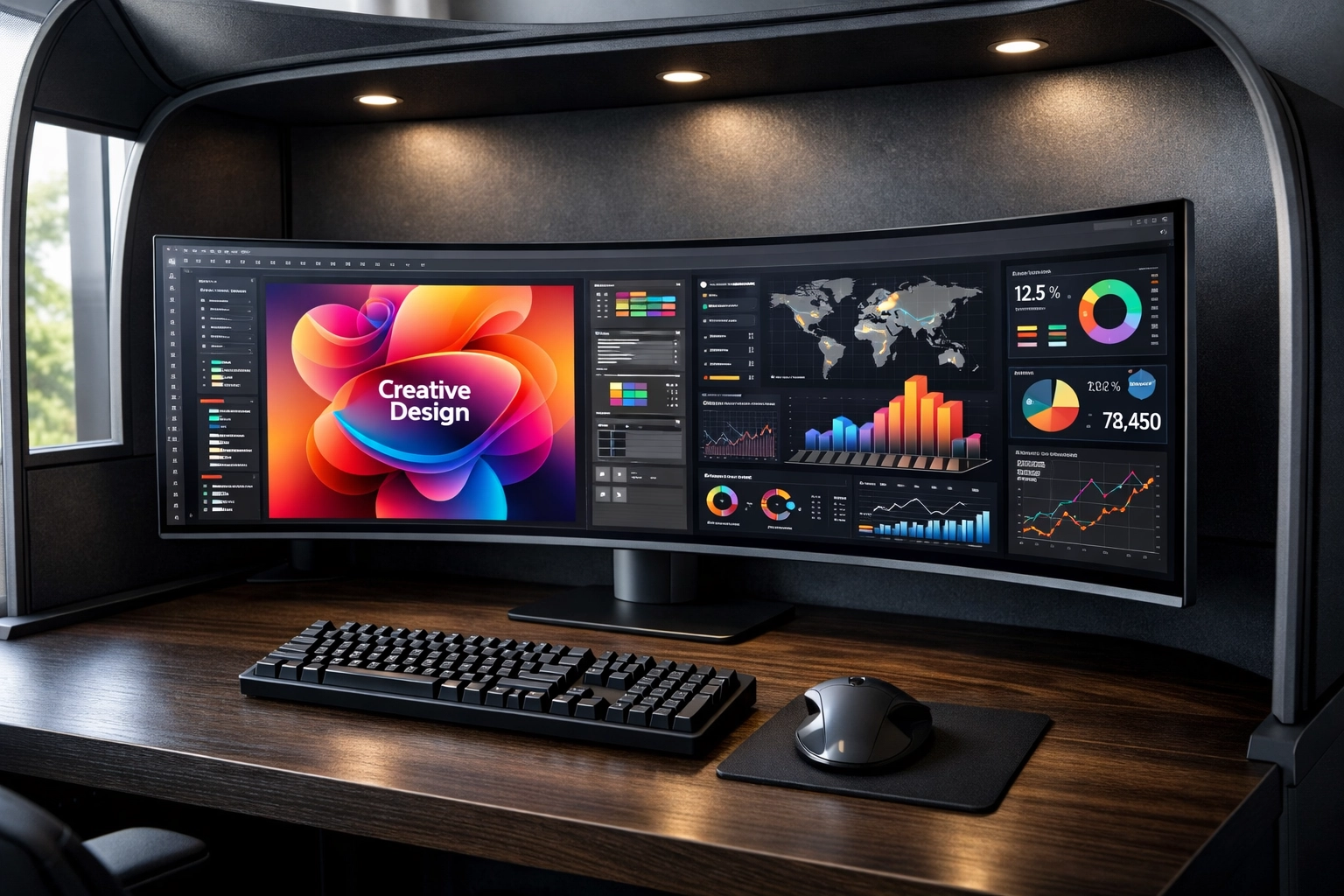
The Pod Fix: Content creation pods are specifically engineered with sound-dampening materials. They turn a noisy office or school into a professional recording studio. This allows for immediate practice of skills that are actually marketable in the real world.
5. Neglecting the "Black Box" of Cybersecurity
Cybersecurity is one of the most critical career paths today, but it requires a very specific environment. You need a space where you can focus intensely on "threat hunting" without external visual stimuli breaking your concentration.
Furthermore, training in cybersecurity often involves sensitive data or simulated attacks. Doing this in a public-facing lab is a security risk in itself.
The Pod Fix: Pods provide a "clean room" feel for cyber pros. They offer the privacy needed to handle sensitive simulations and the focus required to spot a single line of malicious code in a sea of data.

6. The "Static" Layout Mistake
The world moves fast. A room that works for a lecture today might need to be a logistics command center tomorrow. Traditional computer labs are static, bolted to the floor and wired into the walls in ways that make moving them an expensive nightmare.
If your learning environment can't evolve, it becomes a literal barrier to growth.
The Pod Fix: Pods are the definition of modularity. Need to reconfigure your space? You move the pods, not the walls. This flexibility is key for businesses looking to scale or adapt to new industry trends. Our services often highlight how infrastructure needs to be as agile as the business itself.
7. Forgetting the Logistics of… Well, Logistics
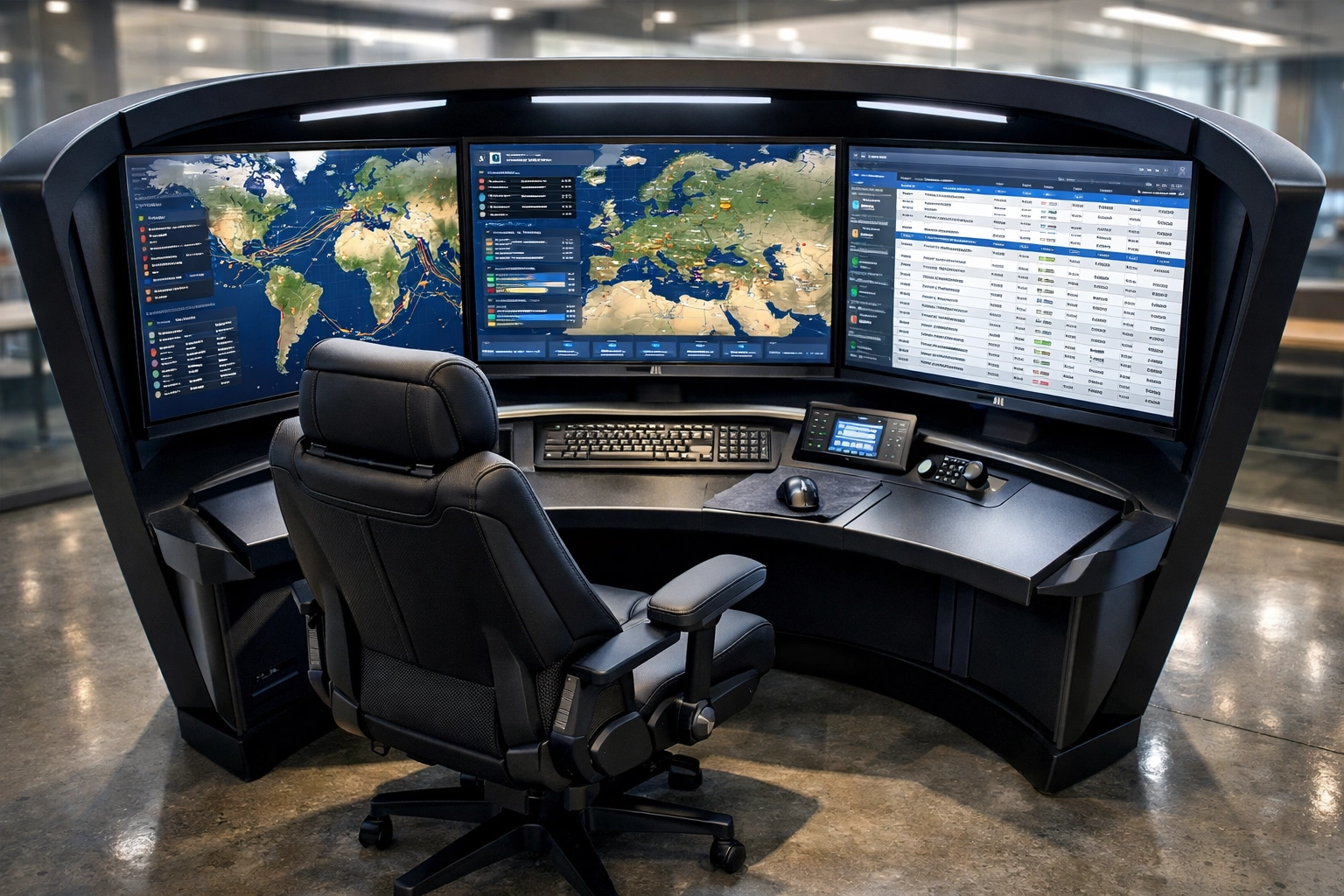
Logistics isn't just about moving boxes; it's about data, timing, and multi-screen monitoring. Training someone for a career in global logistics requires a setup that mimics a modern "War Room."
If you're teaching logistics on a single 13-inch laptop screen, you're not preparing the student for the reality of the job. They need to see the map, the inventory, and the fleet status simultaneously.
The Pod Fix: Logistics pods are designed to handle multi-monitor setups and high-speed data streams. They provide the "cockpit" experience that modern logistics professionals actually use.
Why the "Pod" is the New Computer Lab
The "Lab" of the past was about access to the hardware because hardware was expensive and rare. Today, hardware is everywhere, but focus is rare. The modern learning environment isn't about giving someone a computer; it's about giving them a dedicated, optimized space to use it.
By switching to a pod-based infrastructure, organizations are seeing:
- Higher Retention Rates: When learners are comfortable and focused, they actually remember what they’ve learned.
- Faster Skill Acquisition: Reducing distractions means reaching "fluency" in a subject much quicker.
- Future-Proofing: As technology changes, the pod remains a versatile shell that can be upgraded with the latest tech without a full renovation.
Whether you're looking at career opportunities in these fields or trying to build the next generation of talent, the physical space is the foundation of success.
The Path Forward: Logistics, Cyber, and Content
If we look at where the money is moving in the next decade, it’s clearly in these three pillars:
- Cybersecurity: Protecting the digital frontier.
- Logistics: Managing the physical flow of the global economy.
- Content Creation: Driving the attention economy.
Each of these requires a specialized environment. You wouldn't train a pilot in a parking lot; why are we training cybersecurity experts in a cafeteria-style computer lab?
Final Thoughts
We’re at a crossroads. We can keep patching up the old models, or we can embrace the modular, focused, and high-tech reality of Pods. As we move further into 2026, the gap between those who have the right environment and those who don't will only widen.
If you’re curious about how to transition your current space into a modern powerhouse of learning and productivity, reach out to us. We’ve been helping businesses navigate these shifts for years. Check out our About Us page to see our philosophy on business consulting and modern infrastructure.
Stop making the same seven mistakes. Give your talent the space they deserve to actually succeed. The future isn't just coming: it’s already here, and it’s modular.
For more information on how we can help you modernize your approach, visit our contact page. Let's build something that actually works for the modern world.