
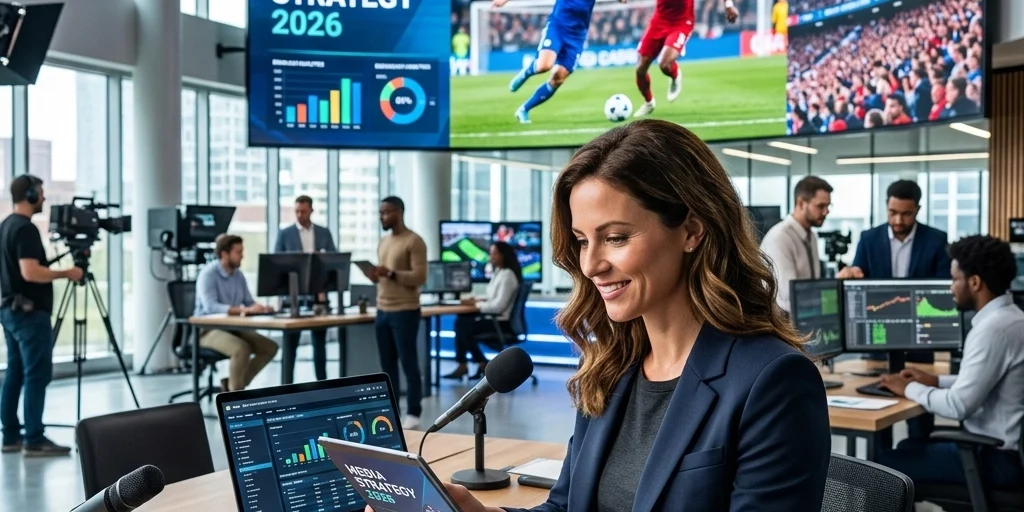
The landscape of sports media has shifted more in the last three years than in the previous three decades. As of April 2026, we are no longer looking at "digital transformation" as a future goal; it is our current reality. Whether you are a brand manager, a marketing executive, or a business owner, understanding how to navigate the intersection of live athletics and fragmented digital consumption is the only way to win.
At USA Entertainment Ventures LLC, we’ve watched these trends move from the fringe to the mainstream. This guide is designed to help you master the sports media strategy required to succeed in 2026, combining data-driven insights with the practical expertise we apply at 360 Sports Media.
The 2026 State of Play: Streaming is the New Stadium
By the fall of 2025, streaming services officially claimed 43% of all weekly sports viewing. This wasn't just a minor uptick; it was a 28% jump since 2022. For the first time, "cord-cutting" isn't a trend: it’s the default. If your media strategy is still anchored solely in linear TV, you are effectively missing nearly half of the most engaged fans in the country.
However, linear TV hasn't died; it has evolved into a "cultural anchor." While streaming captures the niche and the weekly habit, major events still command massive, unified audiences. The Big Game in early 2025 drew a staggering 127 million viewers, proving that when the stakes are high enough, everyone still gathers around the same (virtual) water cooler.
The Super Bowl Playbook: Advertising Excellence
One of the most critical components of any sports media strategy is understanding the high-stakes world of championship advertising. Our newsletter, The Super Bowl Playbook, highlights how brands are moving away from one-off 30-second spots toward multi-channel narratives.
Watch this breakdown of modern advertising strategy to see how the best in the business are capturing attention:
https://www.youtube.com/watch?v=l6J-0zileKE
Platform-Specific Strategies for 2026
To succeed today, you cannot use a "one size fits all" approach. Each league and platform requires a unique tactical lens.
1. The NFL and High-Impact Reach
The NFL remains the gold standard for reach. However, the cost of entry is rising. In 2026, playoff spots can range from $1.5M to $3M. The strategy here isn't just about buying the spot; it’s about the "surround sound" marketing: using platforms like Mobile Hwy Ads to reach fans on their way to the stadium or using social triggers to engage them during halftime.
2. The NBA: Interactive and Gamified
The NBA has led the charge in interactive broadcasting. By partnering with entities like Disney and Fox, they have integrated gamified elements and alternate "Simpsons-style" broadcasts. This has resulted in an 18% viewership increase this season. Brands succeeding here are those that embrace the "second screen": creating content that fans can interact with on their phones while the game plays on the big screen.
3. MLS and the Global Shift
Major League Soccer has fundamentally changed the game by removing paywalls for millions of Apple TV+ subscribers. This move, combined with the anticipation of the FIFA World Cup arriving on North American soil later this year, makes MLS the most undervalued asset for reaching younger, multicultural demographics.

The FIFA World Cup 2026: The Marketing Event of the Decade
We are currently standing on the doorstep of the largest multicultural media event in North American history. The 2026 FIFA World Cup will feature 48 teams and matches spread across major U.S., Canadian, and Mexican markets.
For businesses consulting with USA Entertainment Ventures LLC, we emphasize three pillars for World Cup success:
- Regional Storytelling: Don't just run a national ad. Create host-city narratives. If a game is in Miami, your content should feel like Miami.
- Scaled Connected TV (CTV): Use CTV to target fans of specific national teams with localized language and imagery.
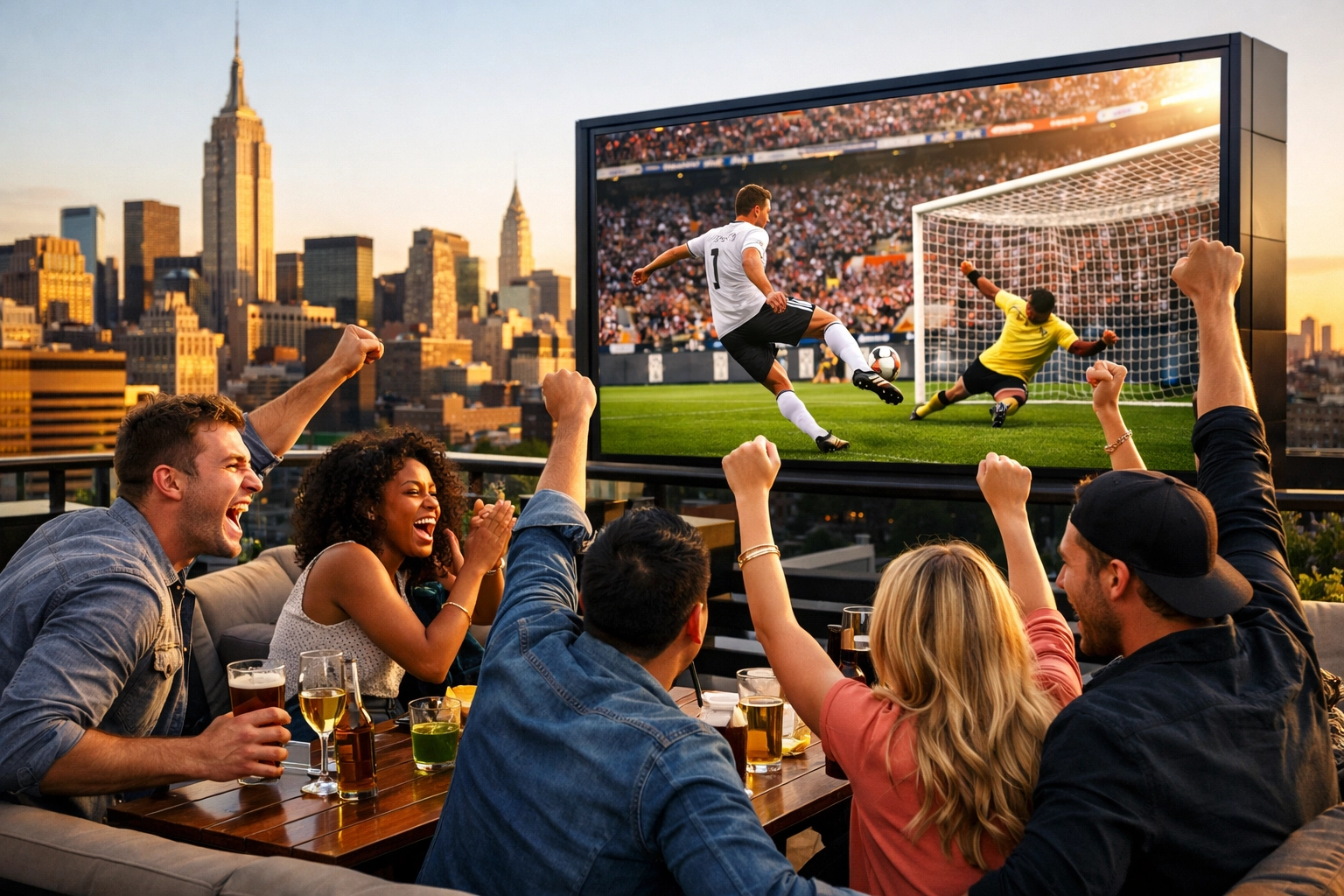
- Real-Time Activation: Soccer fans are incredibly active on social media during matches. Your brand needs to be part of the "highlight culture": the 15-second clips that go viral minutes after a goal.
Core Strategic Pillars for Your Media Plan
If you want to stay ahead of the curve, your 2026 strategy must be built on these three foundations:
1. Think Big, Act Locally
National moments are great for brand awareness, but local execution is where conversions happen. We’ve seen immense success with ZooMedia News, where localized content meets fans exactly where they are. A campaign that feels national in scale but local in execution builds an authenticity that national-only brands can't match.
2. The Rise of FAST Channels
Free Ad-Supported TV (FAST) has become the second-largest genre in sports content. With over 220 channels dedicated solely to sports documentaries, classic games, and niche athletics, FAST provides a cost-effective way for brands to maintain an "always-on" presence. While your competitors are fighting over the live broadcast, you can dominate the "pre-game" and "post-game" documentary space.
3. AI Personalization and First-Party Data
In 2026, data is the quarterback. The most successful sports organizations are building their own "owned" communities. By moving fans from social media platforms to owned apps, brands can collect first-party data. AI then allows for hyper-personalization: sending a "special offer" to a fan the moment their favorite player scores a touchdown.
Practical Steps to Implement Today
Transitioning your strategy doesn't happen overnight, but you can start making these shifts immediately:
- Audit Your Distribution: What percentage of your budget is in linear vs. streaming? If your streaming budget is under 30%, you are likely overpaying for a shrinking audience.
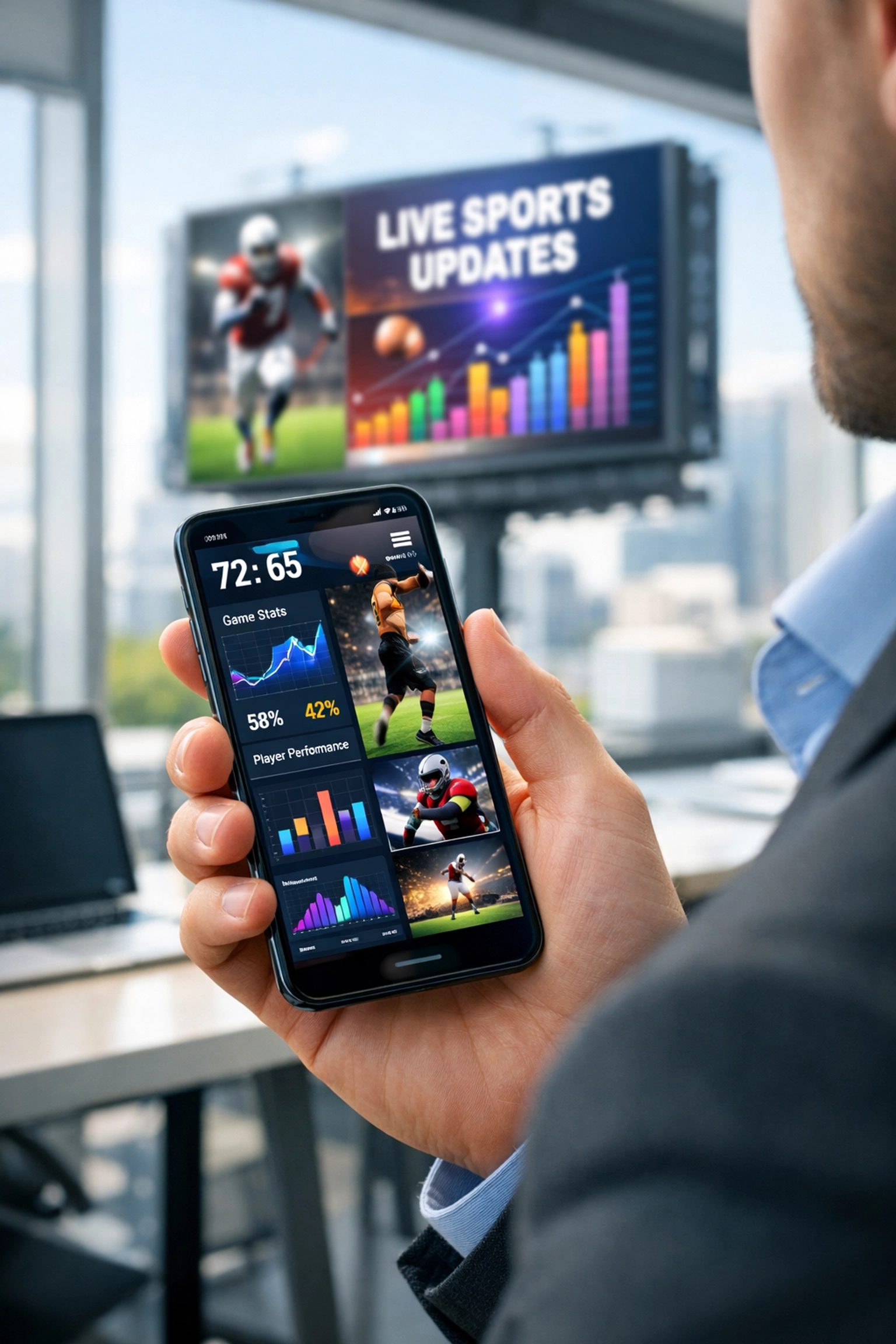
- Invest in Short-Form Content: The game may last three hours, but the "cultural moment" lives in 15-second clips. Ensure your production team is optimized for vertical video and rapid-response editing.
- Explore Outdoor and Mobile Integration: Sports fans are mobile. Integrating outdoor advertising, such as those offered by ZooMedia, ensures your message reaches fans during their commute to the game or while they are out at sports bars.
- Adopt an "Athlete-First" Approach: Fans follow players more than they follow teams. Partnering with athletes for content creation provides a level of trust that traditional brand-led ads often lack.
The Future of Sports Media
As we look toward the end of 2026 and into 2027, the line between "sports" and "entertainment" will continue to blur. We are seeing the rise of "sportainment," where the game is just one piece of a larger lifestyle ecosystem involving fashion, music, and technology.
At USA Entertainment Ventures LLC, we believe the biggest mistake a company can make is standing still. The technology of 2026: from AI-driven broadcasts to the dominance of streaming: offers more opportunities for precision and engagement than ever before.
Success requires a blend of bold vision and technical execution. Whether you are looking to revamp your advertising via SportsMedia or seeking a broader business consulting approach, the time to act is now. The 2026 World Cup and the shifting media landscape won't wait for your brand to be "ready."

Summary of Key Insights
| Strategy Component | 2026 Priority | Expected Outcome |
|---|---|---|
| Primary Platform | Streaming & CTV | High engagement & better targeting |
| Targeting Style | Localized National Moments | Authentic brand loyalty |
| Content Format | Interactive & Short-Form | Viral reach and fan participation |
| Data Strategy | First-Party Owned Communities | Long-term customer retention |
The sports world is moving fast. By focusing on real-time activation, embracing the streaming shift, and preparing for global events like the FIFA World Cup, your brand can do more than just participate: it can lead. For more insights on navigating these changes, explore our resources at USA Entertainment Ventures.





