
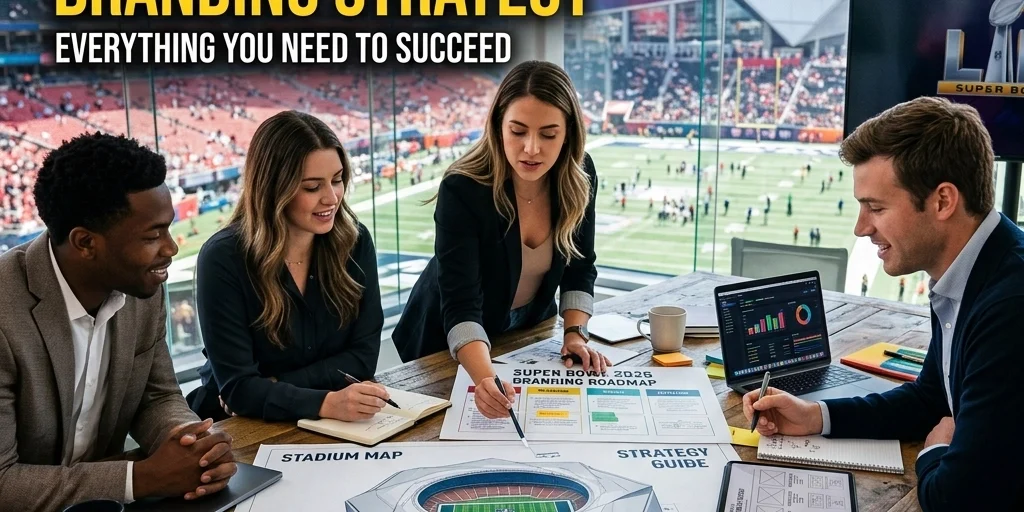
As we look back from April 2026, it is clear that the landscape of sports marketing has undergone a seismic shift. The most recent Super Bowl wasn't just a football game; it was a masterclass in how modern brands navigate a fragmented media environment to capture the collective consciousness. For many businesses, the Super Bowl remains the ultimate stage, but the rules of engagement have evolved. It is no longer enough to simply buy a 30-second slot and hope for the best.
At USA Entertainment Ventures LLC, we have observed that the most successful branding strategies in 2026 treated the event as a cultural ecosystem rather than a single media buy. This guide breaks down the data-driven strategies and creative principles that defined the year’s winners and provides a roadmap for brands looking to achieve similar success in the high-stakes world of business consulting and entertainment marketing.
The Cultural Ecosystem: Beyond the 30-Second Spot
In 2026, the traditional 30-second television commercial reached a record price tag of approximately $8 million. While the linear broadcast still commands unified attention, the true ROI is now found in the surrounding digital and social ecosystem. Successful campaigns this year were characterized by a multi-phase activation strategy that began weeks before the coin toss and continued long after the trophy was hoisted.
The central insight from 2026 is that a Super Bowl campaign is now a "marathon with a sprint in the middle." Brands that focused exclusively on the game-day broadcast often found themselves drowned out by competitors who had been "priming the pump" since mid-January. This omnichannel approach ensures that when the high-cost ad finally airs, the audience already has a narrative connection to the brand.

Phase 1: The Pre-Game Narrative (Priming the Pump)
The most effective branding strategies of 2026 began at least four weeks before the event. By launching campaign content in January, brands were able to capitalize on lower cost-per-click (CPC) rates on platforms like Meta and YouTube before the February surge.
During this phase, the goal is not to sell a product immediately but to establish a narrative engine. Research indicates that using influencer-driven content during this period can achieve efficiency rates up to 70% higher on social platforms compared to standard brand-led posts. By the time the Super Bowl arrives, the audience should already be familiar with the "world" the brand has created.
Key Pre-Game Tactics:
- Narrative Teasers: Build mystery around the game-day creative.
- Influencer Credibility: Partner with voices that possess built-in subject matter expertise rather than just celebrity status.
- Audience Expansion: Use early-stage content to build retargeting pools that can be hit with high-intensity messaging during the game.
The Digital Playbook: YouTube and the Second Screen
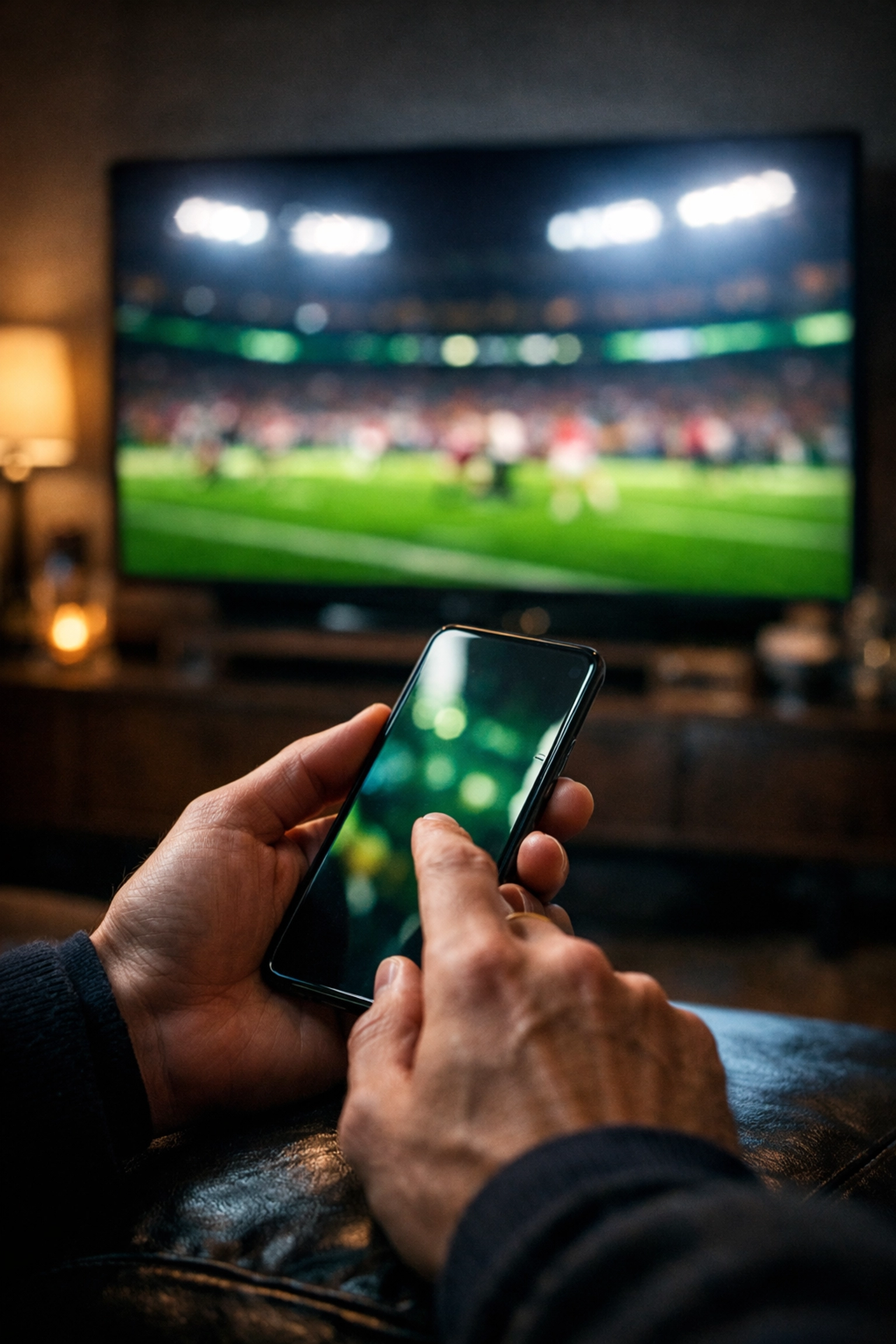
The "second screen" is no longer secondary. During Super Bowl 2026, more than 85% of viewers engaged with a mobile device or tablet while watching the broadcast. This shift has turned platforms like YouTube and TikTok into the primary engines for engagement and conversion.
Our latest newsletter, The Super Bowl Playbook – Sports Media's Advertising Strategy, highlights how digital platforms allow brands to control ad placement alongside relevant NFL highlights and real-time commentary. For a deeper look at how these digital strategies come together, watch this breakdown:
https://www.youtube.com/watch?v=l6J-0zileKE
By integrating video content into the broader branding strategy, companies can maintain a presence that feels organic to the viewer's digital habits. You can see examples of how these integrations look in practice at our showcase page.
Phase 2: Game Day Execution and the "War Room" Mentality
On game day, the objective is "surround-sound" branding. This requires a coordinated effort across linear broadcast, Connected TV (CTV), social media, and even Out-of-Home (OOH) advertising in major metropolitan hubs.
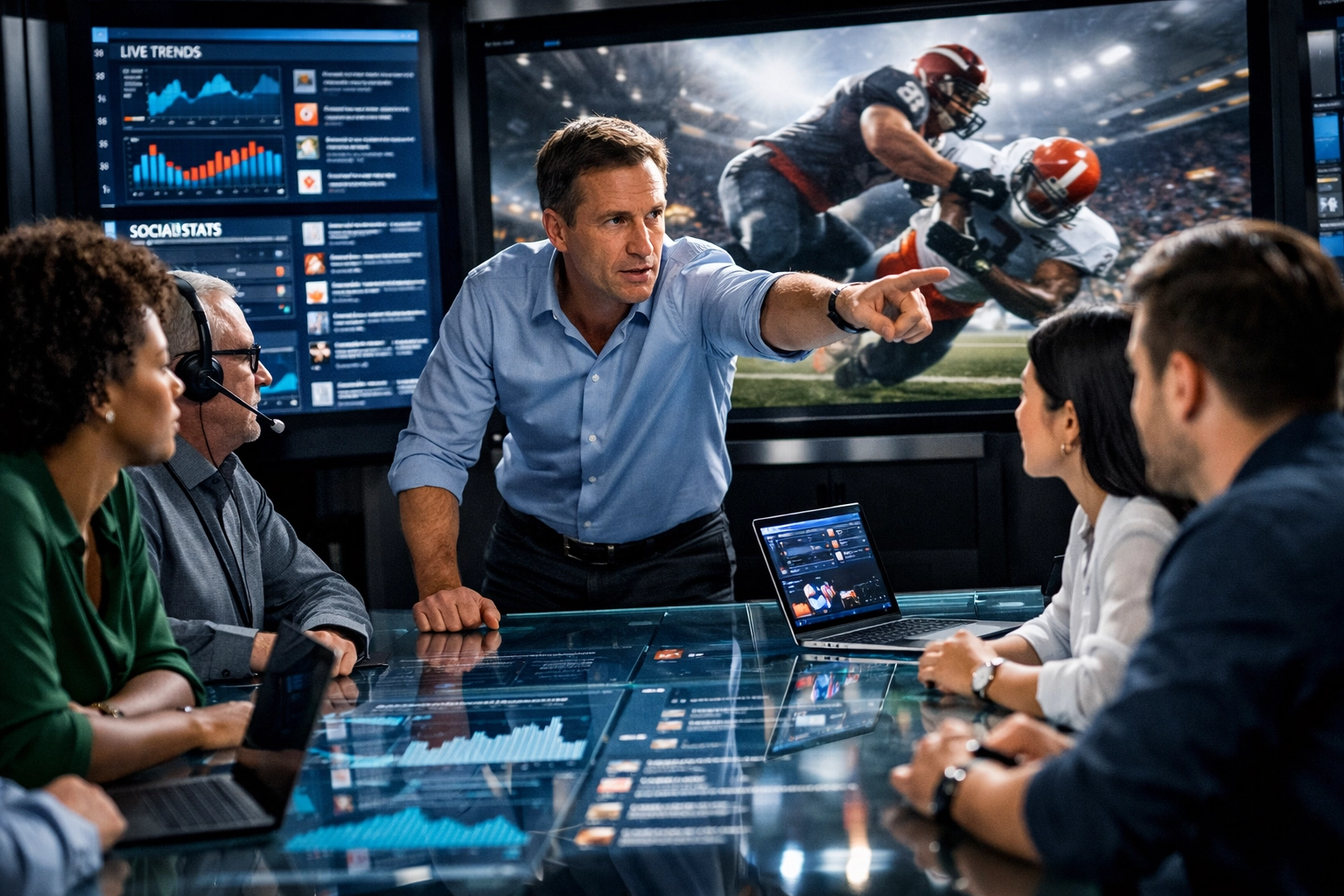
One of the most significant trends in 2026 was the "War Room" approach to real-time agility. Brands that succeeded were those capable of responding to in-game moments, whether a spectacular play or an unexpected technical glitch, within seconds. This real-time responsiveness creates "earned media," where the audience shares the brand's content voluntarily, extending the reach far beyond the paid impressions.
The Power of "Fluent Devices"
A "Fluent Device" is a recurring character or scenario that reliably signals a brand’s identity. In 2026, we saw the continued dominance of characters like State Farm’s "Jake," who achieved a staggering 92% brand recognition rate. These devices are crucial because they provide an immediate mental shortcut for the viewer. When you only have 30 seconds to make an impact, you cannot spend 10 of those seconds introducing your brand; your brand identity must be baked into the creative DNA of the ad itself.
Phase 3: Post-Game Momentum and Retention
The engagement doesn't stop when the game ends. In fact, some of the highest view rates for Super Bowl-related content occur in the three weeks following the event. This is the period for "View Campaigns" and skippable formats that capitalize on the ongoing cultural conversation.
Brands that maintained their momentum post-game saw a significant increase in mid-funnel conversions. By retargeting the audiences built during Phase 1 and Phase 2 with more direct calls to action, companies were able to turn "Super Bowl hype" into tangible business growth. This is a core component of the digital strategies we recommend to our clients at USA Entertainment Ventures LLC.
Creative Principles for Maximum Impact
While the delivery mechanisms have changed, the fundamentals of storytelling remain vital. The brands that won in 2026 followed several key creative principles:
- Narrative First, Branding Second: With a captive audience, brands can afford to take narrative risks. Structure stories that build genuine interest before the "reveal."
- The Strategic Delay: Taking a cue from legendary campaigns like Coinbase, several 2026 advertisers used the full duration of their spots to build mystery, only revealing the brand logo in the final seconds to maximize curiosity.
- Credibility Over Celebrity: While A-list actors are still a staple, there was a noticeable shift toward using influencers and experts with genuine connections to the product. This authenticity resonates more deeply with Gen Z and Millennial audiences.
Budget Optimization: $8 Million vs. Digital Efficiency
Many small to mid-sized firms wonder if they can compete in the Super Bowl arena without an $8 million budget. The answer in 2026 is a resounding "yes." By focusing on a "Digital-First" Super Bowl strategy, brands can achieve massive reach by targeting the millions of viewers watching via streaming and social clips rather than the main broadcast.
Strategic placement on YouTube and Meta, combined with highly specific service-based targeting, allows brands to capture "Super Bowl adjacent" traffic at a fraction of the cost. This approach levels the playing field, allowing innovative companies to stand alongside global giants.

The Role of USA Entertainment Ventures LLC
Navigating the complexities of high-stakes branding requires more than just creativity; it requires a partner who understands the intersection of entertainment and business logic. At USA Entertainment Ventures LLC, we specialize in agency-level consulting that helps brands identify their unique narrative and deploy it across the most effective channels.
Whether you are looking to refine your privacy policy for data-driven targeting or seeking a comprehensive branding overhaul, our team is equipped to guide you through the evolving media landscape. Our focus is on creating sustainable value that lasts long after the final whistle of the Super Bowl.
Conclusion: Preparing for the Future
The branding strategies of 2026 have shown us that the Super Bowl is no longer an isolated event but a cornerstone of a much larger narrative ecosystem. By adopting a three-phase approach, priming the audience, executing with omnichannel agility, and maintaining post-game momentum, brands can cut through the noise of a fragmented marketplace.
As the industry continues to evolve, the brands that prioritize narrative, authenticity, and real-time engagement will be the ones that succeed. If you are ready to elevate your brand's presence and explore new strategic opportunities, we invite you to contact us today to begin the conversation.
The future of branding is here, and it is more dynamic than ever. By leveraging the lessons of Super Bowl 2026, your business can build a legacy that resonates with audiences across every screen and every platform. For more information on our mission and values, please visit our about us page.





