
In the high-stakes world of sports marketing, the Super Bowl represents the ultimate peak of consumer attention. However, as the cost of traditional broadcast advertising continues to climb, many brands are beginning to question the sustainability of a 30-second investment that competes for airtime with dozens of other global giants. The modern landscape of the Big Game is no longer confined to the television screen; it has expanded into the physical and digital environment of the host city and the venues where fans gather to celebrate.
"Super Bowl 2026 will be the moment of a lifetime," notes Dan Kost, CEO of USA Entertainment Ventures LLC. This sentiment underscores a broader trend in the industry: the move from being an advertiser to "owning the environment." Through tools like the Sporttron Digital Network and a sophisticated Out-of-Home (OOH) strategy, brands can now achieve a level of persistent visibility that was previously reserved only for the official partners of the NFL.
To help you navigate this complex and rewarding landscape, here are 10 essential things you should know about owning the Super Bowl environment and securing massive brand exposure.
1. The Cost of Silence vs. the Efficiency of Presence
The financial barrier to entry for a national Super Bowl broadcast spot is staggering, with prices now hovering between $7 million and $10 million for a mere 30 seconds of airtime. While the reach is vast, the clutter is equally significant. In contrast, an integrated OOH strategy using the Sporttron Digital Network can provide a dominant presence in the host city for a fraction of that cost: typically ranging from $100,000 to $500,000 for a multi-day takeover. This investment ensures your brand is not just a fleeting moment, but a constant companion to the fan experience.
2. Persistent Visibility Outlasts Fleeting Moments
A television commercial is an event; a citywide OOH campaign is an environment. Research consistently shows that repeated exposure over a 10-to-14-day window creates a much higher rate of recall than a single high-impact burst. By leveraging digital screens in airports, transit hubs, and sports bars, a brand becomes the "background music" of the entire Super Bowl journey. This persistence builds a sense of familiarity and authority that a single TV spot simply cannot replicate.

3. The Scale of the Sporttron Digital Network
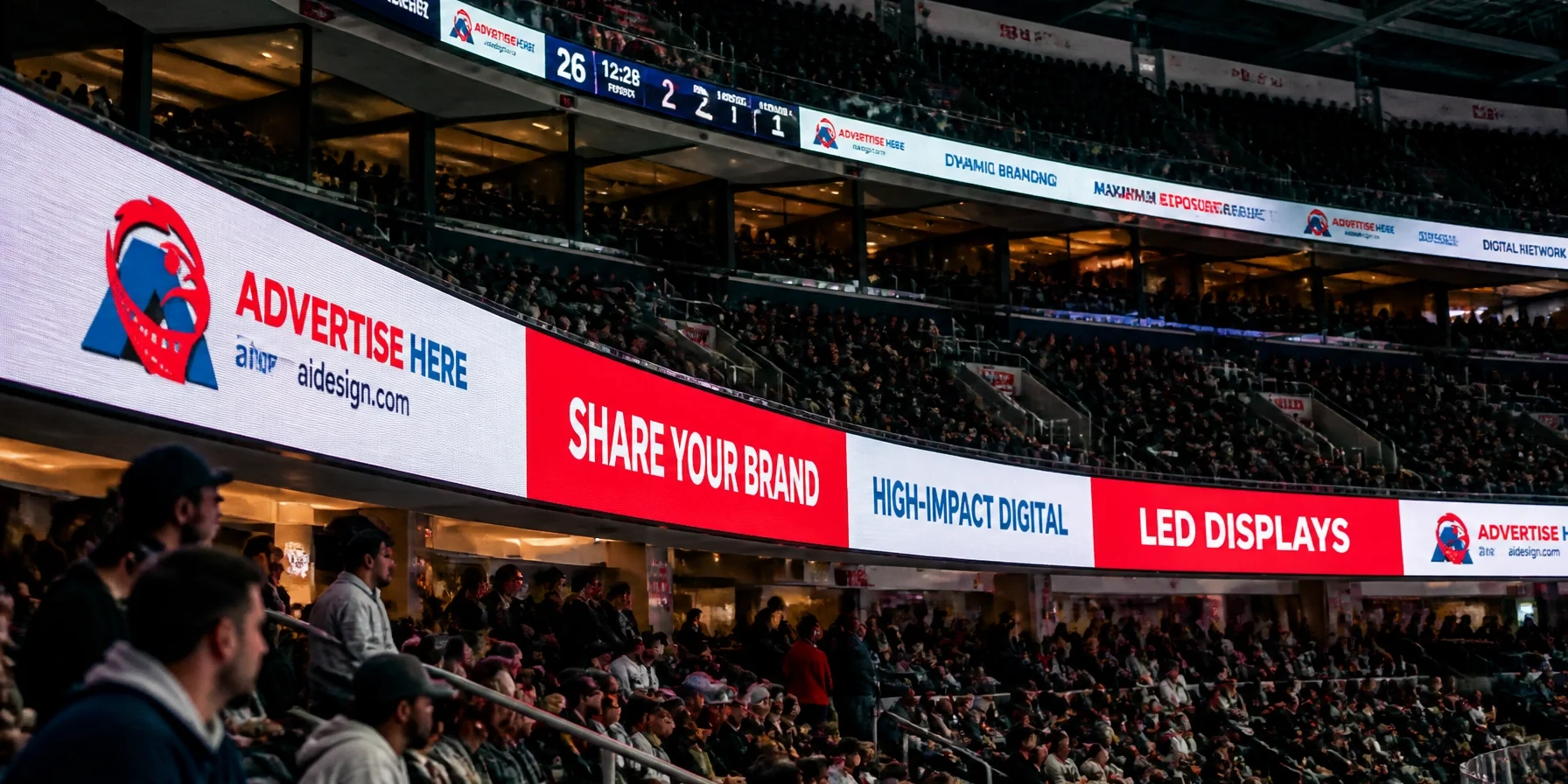
When considering OOH, scale is paramount. The Sporttron Digital Network provides access to ribbon boards, jumbotrons, and digital displays in over 850 venues nationwide. This ecosystem reaches over 100 million unique visitors annually, offering coverage in the top 100 DMAs. For a Super Bowl campaign, this means you can dominate the host city while simultaneously maintaining a strong presence in the home markets of the competing teams, effectively bridging the gap between local and national influence.
4. Navigating the "Clean Zone" Strategy
The host committee and the NFL implement strict "clean zones" around the stadium, where only official sponsors are permitted to advertise. However, the most savvy brands understand that the fan journey begins long before they reach the stadium gates. By focusing on airports, hotels, and popular entertainment districts outside the "clean zone," brands can own the path to the stadium. Sporttron’s network is strategically positioned in these high-traffic areas, ensuring that your brand is the first and last thing fans see during their trip.
5. Creating an Implied Sponsorship
One of the most powerful psychological effects of a massive OOH presence is the perception of "official" status. When a fan sees your brand displayed across premium digital screens in the airport, on city corridors, and inside sports venues, they often subconsciously assume your brand is a major sponsor of the event. This "implied sponsorship" allows brands to capitalize on the prestige of the Super Bowl without the restrictive costs and regulations associated with official league partnerships.
6. High-Touch Engagement and Tangible Experiences
Ownership of the environment isn't limited to digital screens. It also involves high-touch, tangible experiences that fans can literally hold in their hands. USA Entertainment Ventures LLC utilizes concession platforms and "cup holders for charity" to turn a brand into a physical part of the fan experience. When your logo is on the cup a fan holds for three hours during a game, it creates a level of intimacy and connection that digital-only ads cannot match.

7. The Power of NIL and Authentic Voices
As the influence of traditional media shifts, leveraging Name, Image, and Likeness (NIL) has become a critical component of environmental ownership. With access to over 20,000 student-athletes, brands can tap into authentic voices that define culture for the next generation. These athletes act as digital and physical ambassadors, extending the brand’s reach from the OOH screens into the social feeds of millions of followers, creating a truly omnichannel experience.
8. Real-Time Agility with Digital Out-of-Home (DOOH)
The beauty of modern digital signage is its flexibility. Unlike static billboards, DOOH allows for real-time creative swaps. If a specific player has a breakout performance in the first half, your brand can update its messaging across the city within minutes. This agility allows marketers to respond to the narrative of the game as it unfolds, ensuring that the content remains relevant and engaging to the fan base.
9. Proving ROI with Predictive Modeling
In the past, OOH was often criticized for a lack of measurable data. Today, that has changed. By using predictive modeling and fan sentiment analysis, agencies can now provide a clear picture of the Return on Investment (ROI). This data-driven approach allows brands to see exactly how their environmental presence is translating into web traffic, app downloads, and consumer sentiment shifts.
10. Mapping the Fan Journey
The most successful Super Bowl campaigns are built on a deep understanding of the fan journey. This process begins at the airport, continues through the rideshare to the hotel, extends into the fan zones and sports bars, and finally culminates at the venue. By appearing at every touchpoint, a brand creates a cohesive and unavoidable presence.
Watch: Owning the Environment with Sporttron
For a deeper look at how this strategy works in practice, watch the following video which outlines the power of the Sporttron Digital Network and the evolution of sports marketing:
The Future of Brand Exposure
As we look forward to the next decade of sports entertainment, the integration of technology and physical space will only deepen. The transition from simple advertising to "owning the environment" represents a shift toward more responsible and efficient marketing. By focusing on persistent visibility, tangible experiences, and data-backed strategies, brands can achieve a level of impact that far exceeds the limits of the traditional 30-second spot.

"At USA Entertainment Ventures LLC, we don't just advertise; we dominate the arena," says Dan Kost. "Our goal is to ensure that when the whistle blows, your brand is already a winner in the eyes of the fans." Whether it is through the mobile highway ads or the national Sporttron network, the opportunities for brand growth are limitless for those ready to embrace the future of OOH.
The Super Bowl is more than just a game; it is a global cultural moment. By knowing how to own the environment, your brand can be at the very center of it.





