
As we navigate the complexities of 2026, the traditional paradigms of human resource management have undergone a fundamental shift. No longer is workforce strategy a secondary concern relegated to annual reviews; it has become the primary driver of corporate resilience and competitive advantage. For modern executives, the challenge is clear: how do we build a talent pipeline that is not only skilled for today but adaptable for the unforeseen disruptions of tomorrow?
At USA Entertainment Ventures LLC, we observe that the most successful organizations are those that move beyond static job descriptions. They are embracing a "Future-Ready" posture, anchored by three critical pillars: sophisticated data analytics, comprehensive NIL (Name, Image, and Likeness) education, and robust media literacy. By integrating these elements into the educational foundation and the professional transition phase, such as through the DOD SkillBridge recruitment programs, businesses can secure a workforce that is both high-performing and brand-aware.
The Executive Dashboard: A Cockpit for Talent Strategy
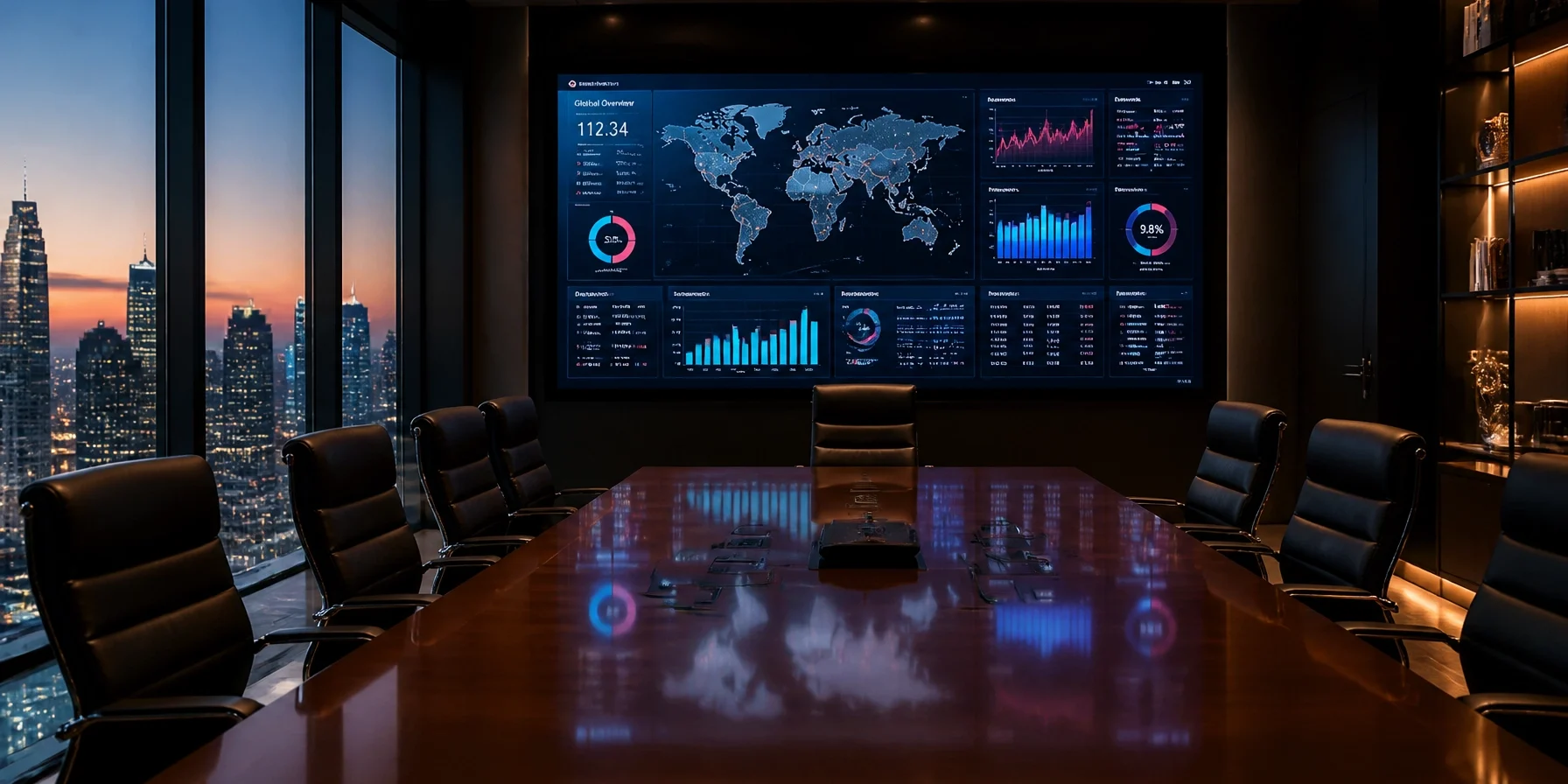
In an era defined by rapid technological acceleration, intuition is no longer a sufficient basis for talent decisions. Executives today require a "talent cockpit", a real-time data analytics dashboard that provides a granular view of the organization’s human capital.
From Reporting to Predictive Modeling
Historically, HR dashboards focused on descriptive metrics: headcount, turnover rates, and time-to-hire. While useful, these metrics are retrospective. A future-ready strategy demands predictive and prescriptive analytics. According to industry research, organizations that utilize predictive models are 2.5 times more likely to outperform their peers in talent retention and productivity.
A modern executive dashboard should prioritize the following data points:
- Skills Inventory & Gap Analysis: A real-time map of current employee capabilities versus the skills required for strategic initiatives three to five years out.
- Pipeline Health Metrics: Tracking the effectiveness of various talent sources, including "Future Ready" school partnerships and specialized recruitment tracks.
- Flight Risk Indicators: AI-driven models that identify turnover risks before they manifest, allowing for proactive intervention.

As noted in our deep dive on workforce analytics, the goal is to transform HR data into a strategic asset. By visualizing skill acquisition and learning outcomes alongside financial performance, leaders can make informed investments in their people.
NIL Education: The New Standard for Professionalism
While Name, Image, and Likeness (NIL) education began in the collegiate athletic arena, its implications have expanded far beyond the football field. In 2026, every employee is a brand ambassador. The digital footprint of a junior analyst can have as much impact on corporate reputation as that of the CEO.
Why NIL Literacy Matters for the General Workforce
NIL education is essentially the study of personal brand management, contract literacy, and intellectual property (IP) awareness. By embedding these concepts into the workforce strategy, companies achieve several key outcomes:
- Risk Mitigation: Employees who understand the value and weight of their personal brand are less likely to engage in digital behavior that compromises the company’s reputation.
- Contractual Proficiency: Understanding the nuances of IP and sponsorship agreements makes for more business-savvy professionals who appreciate the legal boundaries of content creation.
- Entrepreneurial Mindset: Employees trained in NIL tend to view their roles through the lens of value creation, leading to higher engagement and innovation.
"The workforce of the future consists of individuals who operate as independent entities within a larger ecosystem," states Dan Kost, CEO of USA Entertainment Ventures. "NIL education provides the framework for these individuals to align their personal success with organizational goals."
Media Literacy: Navigating a Post-Truth Economy
As AI-generated content and deepfakes become ubiquitous, media literacy has transitioned from a niche academic subject to a critical business soft skill. A workforce that cannot distinguish between credible information and sophisticated misinformation is a structural liability.
Outcomes of a Media-Literate Workforce
For a workforce to be truly future-ready, media literacy programs must be integrated into the standard training curriculum. The objective is to ensure that every team member can:
- Critically Analyze Sources: Evaluate the bias, intent, and evidence behind information before it is used in decision-making.
- Communicate Effectively Across Platforms: Tailor messaging that is authentic and aligned with both personal and corporate ethics.
- Understand Digital Ethics: Appreciate the privacy, consent, and IP implications of sharing and creating content in an AI-driven world.
Integrating these outcomes into "Future Ready" schools ensures that the talent entering the pipeline, whether through direct hire or specialized programs like the DOD SkillBridge, arrives with a high level of digital discernment.

The 'Future Ready' School as a Talent Anchor
USA Entertainment Ventures LLC positions itself as an anchor for "Future Ready" schools. This model moves away from the siloed approach of education and industry, creating a seamless loop where curriculum is informed by real-world data and market needs.
By partnering with educational institutions to implement NIL and media literacy programs, companies can "pre-board" talent. This approach reduces the cost of training and significantly decreases the time-to-productivity for new hires. Furthermore, it creates a social impact by equipping students with the tools necessary for success in the modern economy, regardless of their eventual career path.
Case Study: The DOD SkillBridge Integration
One of the most effective ways to operationalize this strategy is through the Department of Defense (DOD) SkillBridge program. This initiative allows transitioning service members to gain civilian work experience during their last 180 days of service.
By applying a "Future-Ready" framework to SkillBridge recruitment, USA Entertainment Ventures helps veterans translate their leadership and technical skills into the digital-first business environment. These individuals are often the prime candidates for NIL and media literacy training, as they already possess the discipline and focus required to master these complex new competencies.

Implementing Your 12-Month Strategy
Transitioning to a future-ready workforce strategy is an iterative process. For executives looking to begin this journey, we recommend the following roadmap:
Phase 1: The Skills and Risk Audit (Months 1-3)
Conduct a comprehensive audit of your current workforce capabilities. Use your analytics tools to identify where media literacy is lacking and which roles are most exposed to brand risk.
Phase 2: Dashboard Integration (Months 4-6)
Consolidate disparate HR and learning data into a single, unified executive dashboard. Ensure that NIL education progress and media literacy outcomes are tracked as key performance indicators (KPIs).
Phase 3: Partner with 'Future Ready' Institutions (Months 7-12)
Establish formal relationships with schools and programs that prioritize these modern literacies. If your organization manages recruitment through the DOD SkillBridge, ensure that these candidates are immediately funneled into your NIL and media literacy learning paths.
Conclusion: The Path Forward
The ultimate guide to a future-ready workforce strategy is not found in a single software solution or a one-time training seminar. It is found in the commitment to continuous, data-driven evolution. By focusing on data analytics, NIL education, and media literacy, executives can build a workforce that is not only resilient but thrives amidst change.
At USA Entertainment Ventures LLC, we are dedicated to managing this transition for our clients. Whether through our specialized services or our work with educational anchors, our goal is to ensure that the businesses of tomorrow have the talent they need today.
The future of work is not something that happens to us, it is something we build. By investing in the right literacies and the right data today, we are securing a more prosperous and brand-safe tomorrow for our companies and our communities alike.
For more information on how to implement these strategies within your organization, please visit our About Us page or reach out via our contact portal.





