
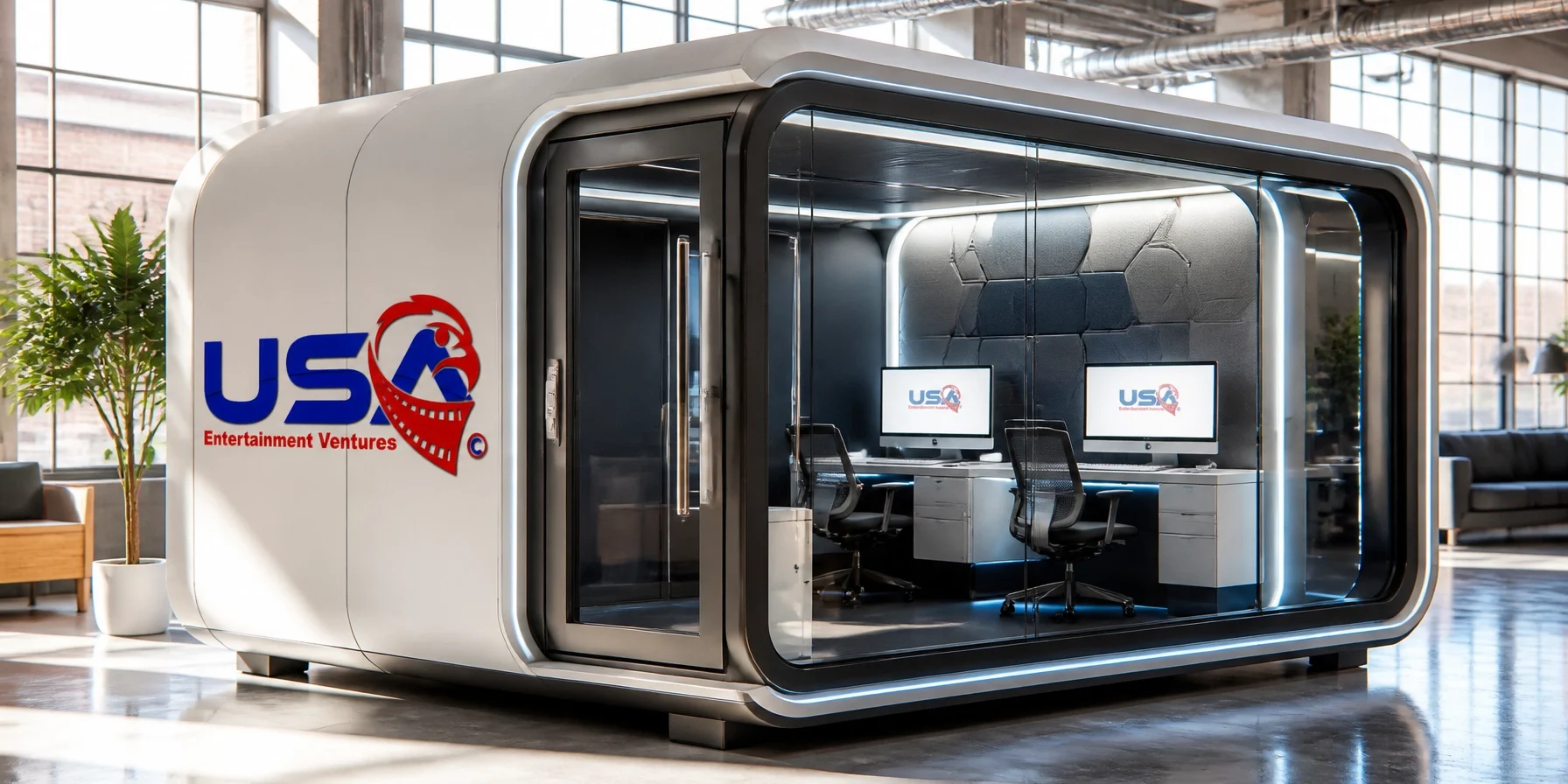
For decades, the traditional computer lab was a staple of the educational and professional landscape. Characterized by long rows of identical beige towers, fluorescent hums, and the "zombie stare" of individuals tethered to a single desk, these spaces were once the cutting edge of technological access. However, as the digital landscape shifts toward decentralized, high-stakes operations like cybersecurity and content creation, the infrastructure that supports these fields is undergoing a radical transformation.
The traditional lab is no longer sufficient for the complex, team-oriented requirements of modern technical training. In its place, modular pods: self-contained, pre-fabricated units with integrated networking and environmental controls: are emerging as the new standard. This shift is not merely an aesthetic choice; it is a response to the logistical and security demands of the 21st-century workforce, particularly for those transitioning through programs like DOD SkillBridge.
The Obsolescence of the "Zombie Stare" Lab
The fundamental flaw of the traditional computer lab lies in its rigidity. Most labs are built on a shared building network, making it nearly impossible to conduct high-level cybersecurity training without risking the integrity of the host institution’s data. Furthermore, the physical layout of these labs: rows of desks facing a whiteboard: encourages individual, tutorial-driven work rather than the collaborative "war room" environment required in a professional Security Operations Center (SOC).
According to recent industry data, traditional labs often suffer from utilization drops of nearly 50%, largely because the hardware is over-provisioned for basic tasks and under-provisioned for specialized ones. In contrast, modular pods are built for a specific mission. They allow for the rapid deployment of air-gapped networks, dedicated server racks, and multi-monitor setups that mirror real-world job environments.
As USA Entertainment Ventures LLC expands its role in business development and recruitment, the need for specialized, mission-focused training environments has become paramount. The modular pod is not just a desk; it is a career hub.
Why Cybersecurity Demands a "Pod" Mentality
In the realm of cybersecurity, the environment is as important as the equipment. To train effective defenders, institutions must create "cyber ranges": isolated playgrounds where trainees can deploy live malware, simulate large-scale breaches, and practice offensive security maneuvers without fear of external consequences.

Modular pods provide the perfect physical architecture for these ranges. Because they are self-contained, they can be easily configured as air-gapped environments. This isolation is critical for "Red Team" (attackers) and "Blue Team" (defenders) to coordinate in real time.
"Modern information security analysts rarely work from a single screen; they use multi-monitor setups to track threat feeds and dashboards," notes an industry expert in infrastructure design. "Pods are deliberately built to emulate that 'dashboard life,' making the transition from training to a real SOC much smoother."
Beyond security, pods offer superior acoustic isolation and dedicated climate control. These factors are essential for long, high-intensity operations where concentration is the primary currency. By moving away from the distractions of a shared campus lab, trainees can develop the "muscle memory" of a professional cybersecurity analyst.
The Logistics Career Pipeline: Managing the Infrastructure
While much of the focus remains on the technology inside the pods, a burgeoning career field is opening up in the logistics and management of these modular units. The transition to modular infrastructure creates a massive demand for logistics professionals who can oversee the manufacturing, deployment, and maintenance of these mobile career hubs.

Logistics management within the modular pod ecosystem involves:
- Scalable Deployment: Moving pods across the country to areas with high recruitment needs, such as military bases or tech hubs.
- Infrastructure Maintenance: Ensuring that power, HVAC, and networking components are optimized for 24/7 technical operations.
- Resource Allocation: Using data-driven insights to place pods where they will have the highest impact on career placement.
For those interested in how our divisions manage these operations, the logistics of modular pods represent a stable, high-growth career path that bridges the gap between traditional construction and high-tech facility management.
Transitioning Heroes: DOD SkillBridge and the Modern Workspace
The shift toward pod-based environments is particularly relevant for the Department of Defense (DOD) SkillBridge program. SkillBridge is designed to help transitioning service members gain civilian work experience during their last 180 days of service. For a veteran coming from a high-stakes, mission-oriented unit, a traditional "quiet" lab can feel like a step backward.

Pods mirror the small-unit tactics and "squad" structure that service members are already accustomed to. They feel like an operations cell rather than a classroom. This cultural alignment is a powerful tool for retention and engagement. When a veteran enters a pod to learn cybersecurity, they aren't just a student; they are part of a mission-focused team.
By utilizing modular pods, companies can offer SkillBridge participants an environment that is up to 75% more cost-effective than building a permanent facility. This allows for more training locations near military installations, reducing the barrier to entry for our nation's heroes.
Beyond Tech: The Content Creation Hub
The utility of the modular pod extends into the creative sectors as well. Content creation: encompassing video editing, podcasting, and live streaming: requires specialized equipment and soundproofing that traditional offices and labs often lack.

A "Content Pod" serves as a professional studio that can be dropped into any warehouse or office space. For individuals pursuing careers in digital media, these pods provide a consistent, high-quality environment that is essential for producing professional-grade content. As USA Entertainment Ventures LLC continues to innovate in the media space, the integration of these pods into recruitment and training strategies is a logical progression.
Actionable Takeaways for Future-Ready Organizations
If your organization is looking to modernize its training or recruitment infrastructure, consider the following actionable steps:
- Audit Your Utilization: Analyze the actual usage of your current computer labs. If participation is dropping, it may be time to pivot to specialized, pod-based solutions.
- Prioritize Realism: Ensure your training environments mirror the actual job roles. For cybersecurity, this means multi-monitor dashboards; for logistics, it means mobile deployment capability.
- Engage the SkillBridge Pipeline: If you are not already a SkillBridge partner, explore how modular infrastructure can help you create a "mission-ready" training ground for veterans.
- Think Scalably: Modular pods can be reconfigured in a single weekend. If you need to switch from a coding lab to a logistics center, a pod allows for that flexibility without costly construction.
Conclusion: The Future is Modular
The death of the traditional computer lab is not an end, but an evolution. As we move toward a more specialized and decentralized workforce, the physical spaces we occupy must become as agile as the software we use. Modular pods represent the intersection of technology, logistics, and human-centric design.
By adopting these modern career hubs, we can create more effective pathways into high-demand fields like cybersecurity and content creation. For those ready to lead in this new era, the opportunity to redefine the workspace is here. Whether you are a business developer or a transitioning service member, the pod is your new home for a future-ready career.
To learn more about our initiatives and how we are shaping the future of technical recruitment, feel free to contact us today.





