
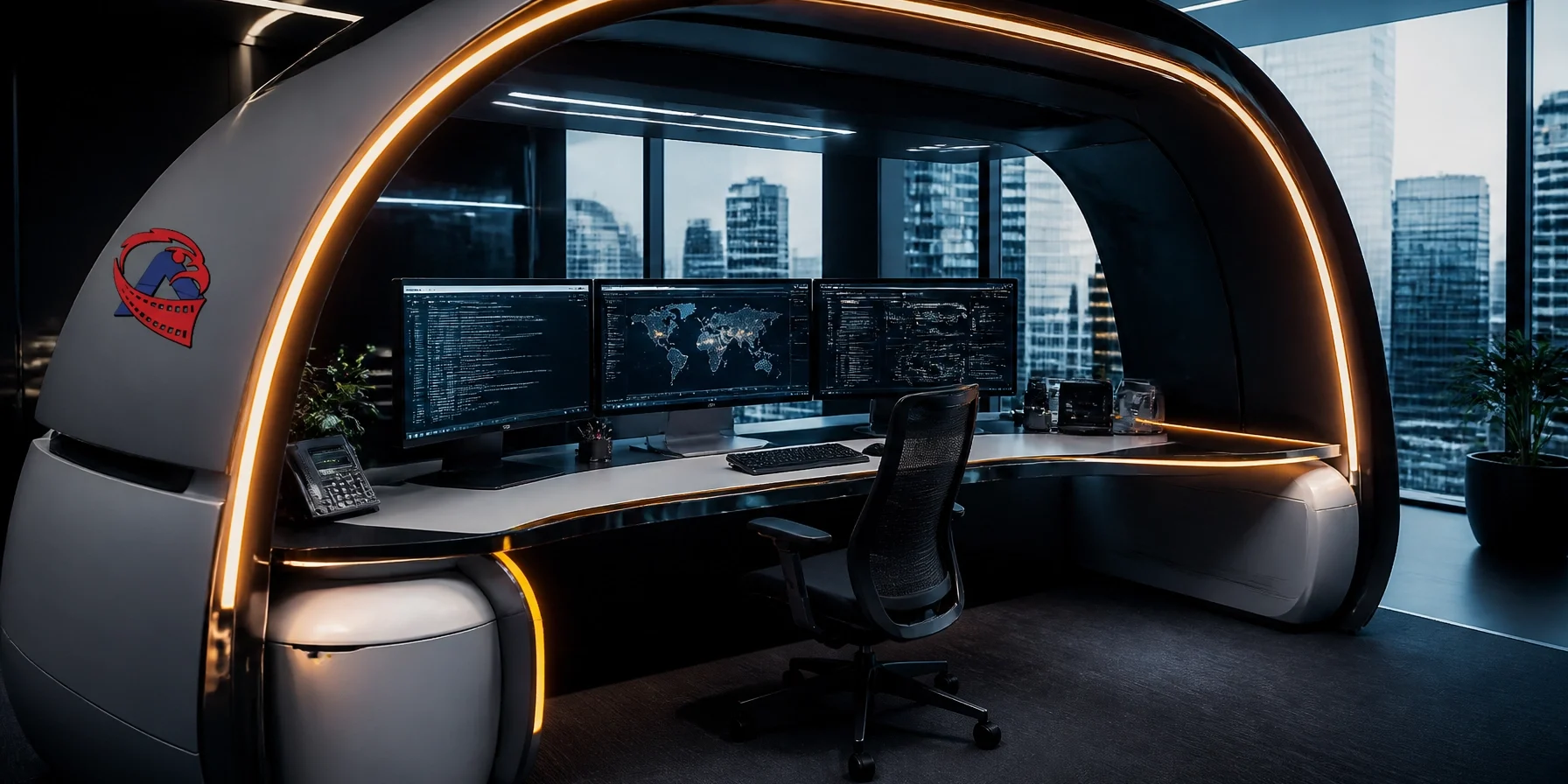
For anyone who attended school or worked in a corporate office between 1995 and 2015, the "computer lab" is a vivid, if slightly dusty, memory. It was a room defined by fluorescent lighting, the rhythmic hum of thirty identical beige towers, and rows of desks arranged like a digital assembly line. It was a place for generalists: where you learned to type, format a Word document, or navigate the nascent World Wide Web.
But as we cross the threshold into the mid-2020s, that traditional model is rapidly becoming a relic of the past. The open-concept computer lab, once the pinnacle of technological integration, is failing to meet the specialized demands of today’s high-stakes careers. In its place, a new infrastructure is emerging: the high-tech "Pod."
At USA Entertainment Ventures LLC, we are seeing this shift firsthand. From managing complex business developments to facilitating DOD SkillBridge recruitment, the physical environment where talent is nurtured has changed. The "Pod" isn't just a fancy desk; it is a modular, hyper-focused ecosystem designed for the specialists of tomorrow.
The Death of the Row: Why General Labs Are Failing
The traditional computer lab was built for a world of general computing. Today, however, "general computing" is something most of us do on our phones in the elevator. Professional success now requires deep immersion in specific, often isolated, digital environments.
As noted by industry analysts, the shift toward mobile and cloud-based work has rendered the fixed-desktop lab obsolete. When every student or employee has a laptop, a room full of aging PCs is less of a resource and more of a storage problem. More importantly, the open layout of a traditional lab is the enemy of focus: and focus is the primary currency in fields like cybersecurity and logistics.
The "Pod" model addresses this by providing a self-contained, modular workstation that mimics real-world professional environments. Whether it’s a "Cyber Range" for a security analyst or a "Digital Command Center" for a logistics coordinator, these spaces are designed to facilitate high-intensity, scenario-based work that a rows-and-aisles floor plan simply cannot support.
Cybersecurity: The Rise of the Isolated Cyber Range
In the world of cybersecurity, the "Pod" is more than an office; it is a laboratory and a fortress. As cyber threats evolve from simple malware to sophisticated, state-sponsored attacks, the training for these roles must follow suit.

Modern cybersecurity pods often function as "Cyber Ranges": sandboxed environments where learners can engage in live-fire exercises. These pods replicate the infrastructure of an entire enterprise network, allowing defenders to practice incident response, digital forensics, and intrusion detection in a safe, controlled setting.
Experts in the field emphasize that "real-tool experience" is the only way to bridge the skills gap. By providing a pod equipped with SIEM-style dashboards and endpoint security tools, companies can prepare talent for the high-pressure environment of a real Security Operations Center (SOC). For veterans transitioning through the DOD SkillBridge program, these pods offer a familiar, mission-oriented atmosphere that mirrors the tactical operations centers they operated in during their service.
Logistics and Operations: The New Command Center
Logistics used to be about clipboards and warehouses. Today, it is about AI-driven supply chains, IoT-connected assets, and real-time data visualization. You cannot learn to manage a global supply chain on a single 15-inch monitor in a noisy computer lab.
Logistics pods are designed as "mini command centers." These stations often feature multi-monitor setups that allow a coordinator to track cargo ships in the Atlantic, monitor warehouse inventory levels in the Midwest, and adjust delivery routes in real-time: all simultaneously.
By integrating sensors, RFID tracking software, and predictive analytics into the pod’s physical infrastructure, businesses can train their personnel to make data-driven decisions under pressure. This is a critical component of USA Entertainment Ventures’ management strategy: ensuring that the physical tools at a worker’s disposal are as advanced as the software they are using.
Content Creation: Mini-Studios for the Digital Age
The "Pod" revolution isn't limited to technical defense and logistics. The explosion of the creator economy has necessitated a new kind of physical workspace: the Content Creation Pod.

Traditional office spaces are notoriously poor environments for high-quality audio and video production. High-tech pods designed for content creators offer acoustic treatment, professional-grade lighting, and integrated 4K camera systems. These spaces allow creators to produce broadcast-quality media: from podcasts to corporate training videos: without the need for a full-scale television studio.
For modern businesses, having these pods on-site means that marketing and communications teams can pivot quickly, producing high-impact content in an environment specifically tuned for creative output. It’s about removing the friction between the idea and the execution.
The Strategic Advantage: Why Modularity Wins
The biggest advantage of the "Pod" over the "Lab" is modularity. If a company’s needs shift from cybersecurity to logistics, a modular pod can be reconfigured with new hardware and software in a matter of hours. A traditional computer lab, with its hard-wired infrastructure and fixed desks, requires a complete renovation.
This flexibility is essential for future-proofing your workforce strategy. As we look toward the future, the ability to rapidly adapt to new technology is the primary indicator of a company’s resilience.

Actionable Takeaways for Your Infrastructure
If you are still operating with a 20th-century computer lab, it is time to reconsider your layout. Here is how to begin the transition:
- Identify Career Pathways: Don't build for "computing." Build for specific roles like cybersecurity analyst, logistics manager, or content creator.
- Prioritize Isolation: High-stakes work requires high-focus environments. Use modular pods to provide the privacy and acoustic control necessary for deep work.
- Integrate Real-World Tools: Ensure your pods are equipped with the exact hardware and software used in the industry. The goal is to eliminate the "learning curve" when moving from training to a real-world role.
- Leverage Specialized Talent Funnels: Use these high-tech environments to attract top-tier talent, such as transitioning service members who are accustomed to high-tech, specialized equipment.
Conclusion: The Future is Contained
The computer lab isn't just dying; it's evolving. The days of the "general purpose" room are over, replaced by a fragmented but highly efficient network of specialized pods. This shift reflects a broader trend in the global economy: the move from generalist skills to hyper-specialized expertise.
At USA Entertainment Ventures LLC, we believe that the right infrastructure is the foundation of effective management and recruitment. Whether you are a business looking to modernize your operations or a veteran looking for your next mission in cybersecurity or logistics, the high-tech pod is where that future begins.
The beige towers are gone. The rows have been broken. The pod is here, and it’s ready for work.





