
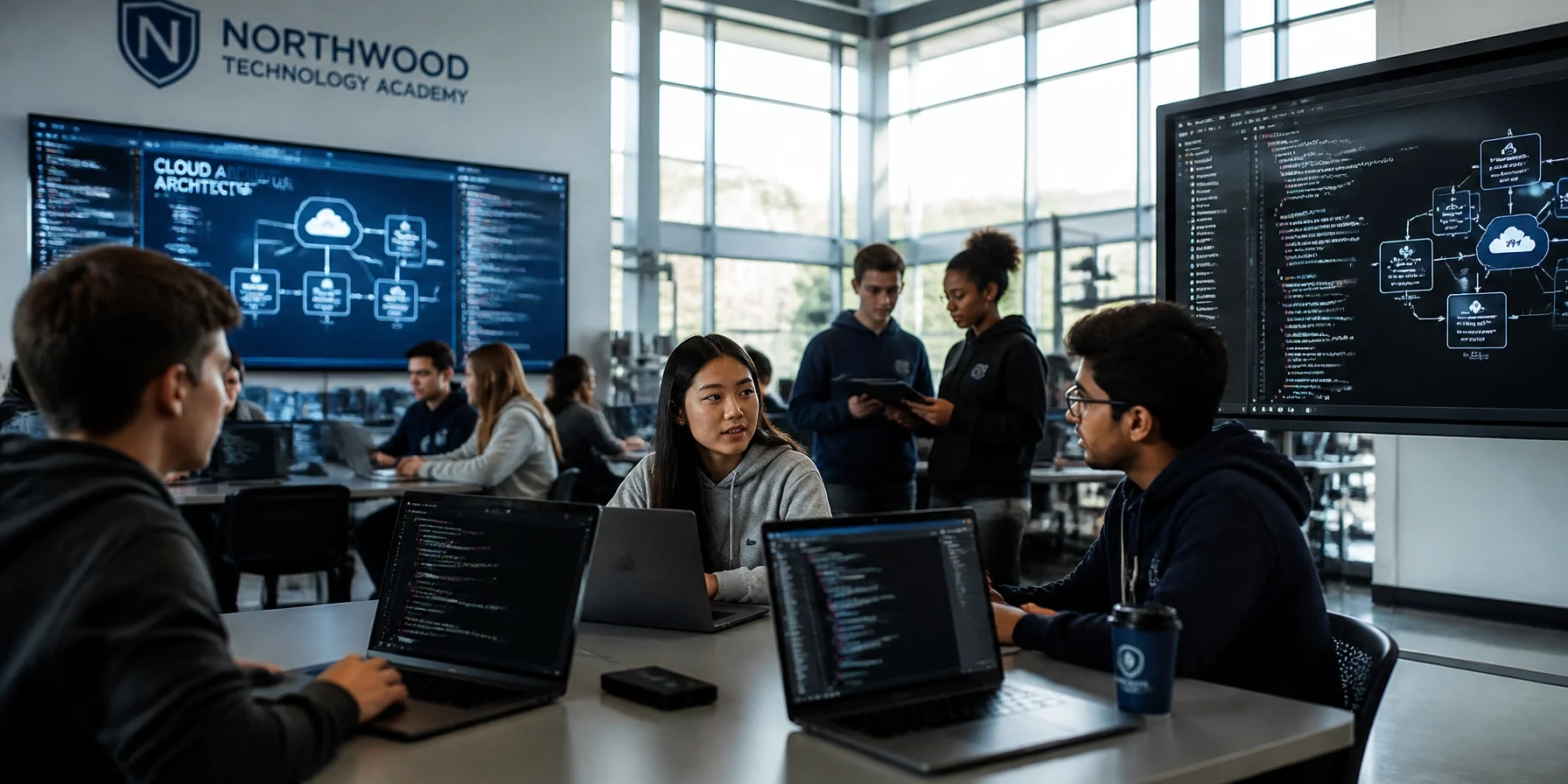
The global demand for artificial intelligence (AI) and cloud computing expertise is outstripping the current supply of qualified professionals. As organizations across every sector: from finance to healthcare: race to integrate generative AI and migrate to robust cloud architectures, the competition for talent has reached a fever pitch. Traditional recruitment strategies, which often begin at the university level or through lateral hiring, are no longer sufficient to maintain a competitive edge. To build a sustainable, long-term workforce, forward-thinking companies are shifting their focus upstream.
The concept of the "Next-Gen Talent Funnel" posits that the race for technical excellence starts not in college dorms, but in high school classrooms. By engaging with students early, businesses can identify high-potential talent, shape relevant skills, and foster a loyal pipeline of future employees long before they enter the open market.
The Urgency of the AI and Cloud Talent Gap
The scale of the talent shortage is significant. Industry reports consistently highlight that AI and cloud skills are among the most difficult to source. According to recent workforce data, nearly 97% of candidates in typical recruitment funnels never interact with a human because they are filtered out due to a lack of specific, high-demand skills. Furthermore, the ratio of applicants to hires in high-tech fields can be as high as 180 to 1, yet companies still struggle to find the right fit.
This gap is not merely a recruitment hurdle; it is a strategic risk. Without a reliable stream of AI and cloud talent, innovation stalls, and operational costs rise. However, organizations that invest in early-career pipelines: specifically those starting in high schools: see a 24% higher retention rate for hires coming through these structured pathways compared to traditional lateral hires. At USA Entertainment Ventures LLC, we recognize that managing complex talent pipelines requires the same rigor as managing large-scale business operations. Whether through recruitment or specialized management services, the focus must be on building sustainable systems.
Building the Next-Gen Talent Funnel
A successful high school engagement strategy is more than a one-off career day or a sponsorship. It is a data-driven, multi-stage funnel that moves students from awareness to mastery.
1. Broad Awareness and Inspiration
The funnel begins in grades 8 through 10. At this stage, the goal is to demystify AI and cloud computing. Many students perceive these fields as overly technical or inaccessible. Companies can counter this by showcasing real-world applications: such as how AI is used in environmental conservation or how cloud computing powers the entertainment industry. This stage is about casting a wide net to capture interest across diverse demographics.
2. Structured Skill Development
By grades 11 and 12, the focus should shift to building stackable, industry-recognized skills. This is where school-industry partnerships become critical. When companies co-design curricula with educators, they ensure that the tools and methodologies being taught are aligned with current market needs. This might include offering cloud credits for students to build their first applications or providing access to datasets for AI model training.

The Economic Case for Early Intervention
Engaging with high schools is not just a corporate social responsibility initiative; it is a sound financial strategy. Research indicates that early talent pipelines can reduce long-term recruitment costs by as much as 40%. By cultivating talent internally through internships and apprenticeships while students are still in school, companies can significantly shorten the onboarding period and "time-to-productivity" once those individuals are hired permanently.
Moreover, these programs allow for "early identification." Spotting a student with a natural aptitude for data science in their sophomore year of high school allows a company to nurture that talent through mentorship and summer internships. By the time that student graduates, they already understand the company's culture, workflows, and specific tech stack, making them far more valuable than a new graduate who has never stepped foot in the office.
Enhancing Diversity and Inclusion in Tech
One of the most profound benefits of moving the talent funnel to the high school level is the opportunity to address diversity and inclusion (DEI) goals effectively. Many students from underrepresented communities may not pursue STEM degrees in college because they lack early exposure or support. By providing resources and pathways at the high school level, companies can ensure that the future AI and cloud workforce is more representative of the global population.
Early exposure helps to level the playing field. When a company provides a high school with the hardware, software, and mentorship needed to teach cloud fundamentals, it removes the socio-economic barriers that often prevent talented individuals from entering the field. This commitment to equitable access is a cornerstone of modern business development and sustainable growth.

A 6-12 Month Roadmap for Companies
Securing future talent requires a structured approach. Companies looking to implement a high school talent funnel should consider the following roadmap:
- Map Local Opportunities (Months 1-3): Identify high schools and vocational programs in your region that already have basic computer science or STEM offerings. Assess where AI and cloud modules can be integrated.
- Pilot a Partnership (Months 4-6): Launch a pilot program, such as an after-school AI club or a series of guest lectures. Provide teachers with the training and resources they need to lead these sessions.
- Establish Industry Credentials (Months 7-9): Partner with major cloud providers or certification bodies to offer students a pathway to earn recognized credentials while in high school.
- Launch an Internship Program (Months 10-12): Create a structured summer internship program specifically for high school juniors and seniors. Use these internships as a primary data point for tracking the funnel's success.
Metrics of Success
To ensure the funnel is working, organizations must track specific metrics, much like they would for any other business process. These include:
- Awareness: The number of students reached through outreach.
- Engagement: Enrollment in AI/Cloud-related electives or clubs.
- Credentialing: The number of industry certifications earned by students.
- Transition: The percentage of students who move into relevant internships, apprenticeships, or post-secondary programs.
This data-driven approach is essential for demonstrating the ROI of high school engagement to stakeholders. As we see in specialized sectors like the DOD skill bridge recruitment, the bridge between training and placement must be seamless and measurable.
Conclusion: Investing in the Future Today
The digital landscape is evolving at an unprecedented pace. The companies that will lead the next decade are those that recognize that their greatest asset is not their current technology, but their future talent. By reaching into high schools now, businesses can secure a pipeline of AI and cloud experts who are not only technically proficient but are also deeply aligned with their organizational goals.
The move toward an early-career talent funnel is a strategic imperative. It reduces costs, increases retention, and ensures a more diverse and innovative workforce. As we look toward the future, the opportunity to shape the next generation of technical leaders is not just a possibility: it is a responsibility that promises significant rewards for both business and society.






