
If you grew up anywhere between the mid-90s and the early 2010s, you probably remember the "Computer Lab." It was a windowless room smelling faintly of ozone and floor wax, filled with rows of beige towers that hummed like a swarm of angry bees. You went there to type a report on the Oregon Trail (and inevitably die of dysentery) or to learn how to make a WordArt title that looked like a rainbow.
Fast forward to today, and that traditional lab is, for all intents and purposes, dead. It’s gone the way of the floppy disk and the dial-up modem. But don't start mourning just yet. While the "lab" might be a relic, the need for specialized, high-performance computing environments is actually exploding.
Enter the Pod.
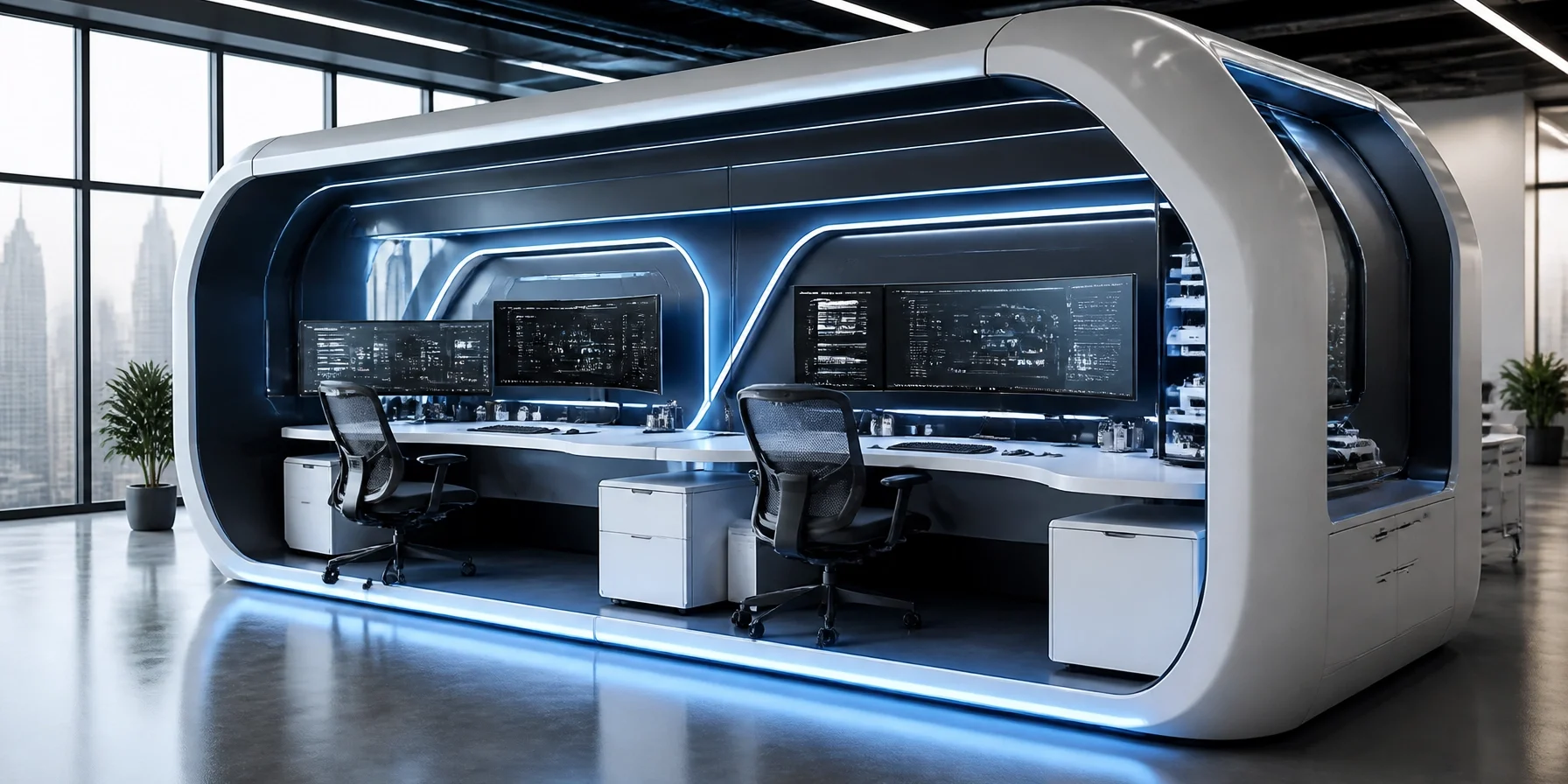
The next generation of cybersecurity experts, logistics masterminds, and content creators aren't being forged in rows of generic desktops. They are being trained in high-tech, modular "pods": specialized hubs that prioritize hands-on experience over rote lectures. At USA Entertainment Ventures LLC, we’ve seen firsthand how the shift from generic spaces to specialized infrastructure is redefining career pathways, particularly for those transitioning from military service through programs like DOD SkillBridge.
The "Row" vs. The "Pod": A Structural Revolution
The problem with the old computer lab wasn't just the slow processors; it was the architecture. Rows of computers encourage a "follow the leader" style of learning where everyone does the same task at the same speed. It’s a factory model for a digital world that demands agility.
Research from IT leaders at institutions like Eastern Michigan University suggests that campus labs are undergoing a "slow death" as students bring their own devices (BYOD) for general tasks. However, these same institutions are finding that specialized labs: or pods: are more essential than ever. Why? Because you can’t run a high-fidelity cyber-attack simulation or render a 4K 3D environment on a standard-issue Chromebook.
A pod is a cluster of high-performance technology designed for a specific vertical. It’s collaborative, it’s modular, and it’s built for the "Power User."
Pathway 1: The Cybersecurity Command Center
Cybersecurity is no longer just about "not clicking the weird link from the Nigerian Prince." It’s a high-stakes game of digital chess. To train for it, you need an environment that mirrors a real-world Security Operations Center (SOC).

Modern cybersecurity pods provide:
- Isolated Networks: These "sandboxes" allow students to unleash actual malware and practice penetration testing without accidentally taking down the building’s Wi-Fi.
- Virtualization: A single pod can simulate an entire corporate network, allowing learners to switch between "Red Team" (attackers) and "Blue Team" (defenders) roles instantly.
- Packet-Level Visibility: High-end hardware allows for real-time traffic analysis, teaching pros how to spot a breach before it becomes a headline.
For veterans entering the civilian workforce, these pods are a natural fit. The "mission-first" mindset of the military translates perfectly into the defensive posture required in a cyber pod.
Pathway 2: Logistics and the Global Nervous System
Logistics used to be about "trucks and boxes." Today, it’s about data, AI, and predictive analytics. The modern logistics pro is essentially a digital architect managing a global nervous system.

In a logistics pod, the focus shifts from a single screen to a multi-monitor dashboard setup. Here, trainees work with:
- Supply Chain Simulations: Using specialized software to predict how a hurricane in the Atlantic might affect a microchip delivery in Ohio.
- Real-Time Data Visualization: Integrating feeds from GPS, weather, and inventory systems into a single, actionable interface.
- Collaborative Problem Solving: Unlike the "every man for himself" rows of the old lab, pods are designed for teams to huddle and solve complex routing problems together.
At USA Entertainment Ventures, our divisions like Mobile Hwy Ads understand that logistics is the backbone of any successful venture. Training the next generation of supply chain experts requires the kind of high-level infrastructure that only a dedicated pod can provide.
Pathway 3: The Content Creation Engine
Content creation has moved from a hobby to a multi-billion dollar industry. But the barrier to entry isn't just talent: it’s hardware. The "Creator Economy" requires massive GPU power, professional-grade audio interfaces, and color-accurate displays.

A content creation pod serves as a mini-studio. It’s where the next generation of digital storytellers learn to:
- Master 4K/8K Video Editing: Tasks that would melt a standard laptop are handled with ease by pod-based workstations.
- Leverage AI-Driven Design: Using generative tools and high-speed rendering to stay ahead of the curve.
- Produce Professional Audio: Integrated soundproofing and high-fidelity mics turn a pod into a broadcast-ready environment.
Through our divisions like ZooMedia and 360 Sports Media, we see how professional-grade content is the fuel for modern business development. The "pod" isn't just a place to learn; it’s an incubator for the brands of tomorrow.
The Human Element: Bridging the Gap with SkillBridge
Infrastructure is only half the battle. The other half is the people. This is where USA Entertainment Ventures LLC steps in. Our focus on DOD SkillBridge recruitment is built on the belief that those who have served in the military possess the discipline, strategic thinking, and adaptability required to thrive in these new "pod" environments.
The SkillBridge program allows service members to spend their last 180 days of service interning at a civilian company. By placing transitioning veterans into these high-tech pods, we aren't just teaching them a new skill: we're giving them a "home base" to translate their military expertise into high-demand civilian roles in cybersecurity, logistics, and digital management.
Why This Matters for Business Development
If you are a business owner or a recruiter, you should be looking for "Pod-Graduates." These are individuals who haven't just sat through a PowerPoint presentation; they’ve lived in the environment they are expected to manage.
The "death" of the computer lab is actually a rebirth. It’s a shift from a generic, one-size-fits-all education to a specialized, high-impact model. By investing in these modular spaces, we are lowering the barrier to entry for complex tech careers and ensuring that the next generation of pros is ready for the "real world" on day one.
Conclusion: The Future is Modular
The beige boxes are gone, and we say: good riddance. The future of work is collaborative, high-spec, and mission-focused. Whether you're a veteran looking for your next mission through USA Entertainment Ventures or a company looking to modernize your training infrastructure, the message is clear:
Stop building labs. Start building pods.
The next generation of cyber pros is already there, screens glowing, ready to secure the future. Are you?





