
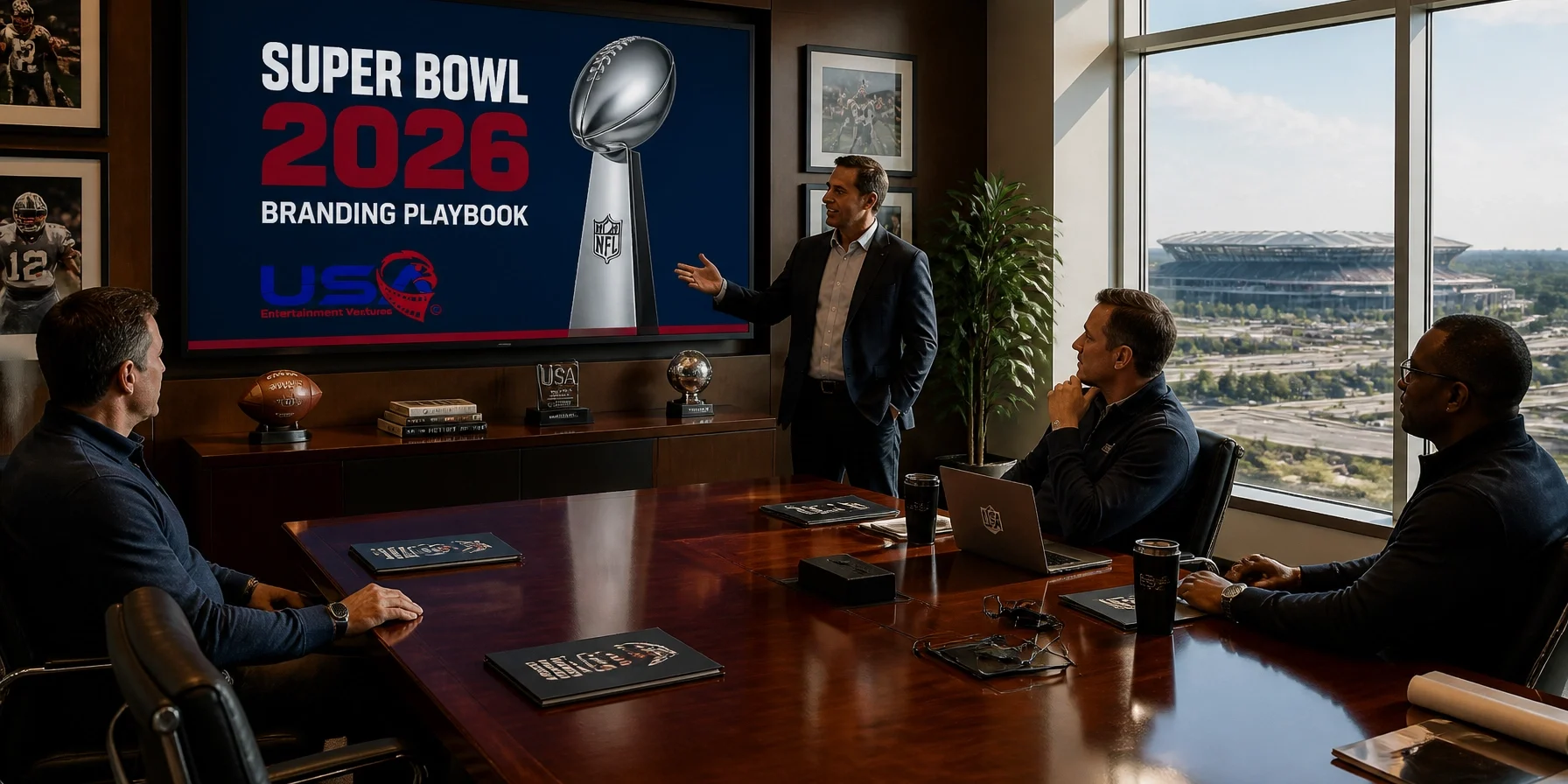
As we look toward the horizon of 2026, the landscape of consumer engagement has undergone a radical transformation. In an era dominated by rapid-fire digital interactions and increasingly fragmented attention spans, the question facing many executives is no longer just how to reach an audience, but how to remain relevant within their daily lives. The traditional "spray and pray" marketing models of previous decades have given way to a sophisticated, data-driven ecosystem where brand identity is a strategic necessity rather than a peripheral asset.
The centerpiece of this marketing evolution remains the Super Bowl: a pinnacle of sports media that serves as the ultimate litmus test for branding efficacy. In 2026, however, a simple thirty-second spot is merely the tip of the iceberg. To truly succeed, businesses must adopt what industry experts call "The Super Bowl Playbook." This comprehensive strategy moves beyond the television screen, integrating immersive technology, out-of-home (OOH) mastery, and authentic influencer bridges to create a multi-dimensional brand presence.
The Urgency of Brand Strategy in a Hyper-Connected Market
Why does branding strategy matter more in 2026 than ever before? The answer lies in the concept of "memory equity." Recent industry findings suggest that the objective of modern branding is not just to capture immediate sales, but to build a clear, persistent presence in the minds of the audience. According to recent brand strategy frameworks, a Super Bowl investment only yields long-term pricing power and preference when it is grounded in five core pillars: purpose, target market clarity, positioning, visual identity, and integrated marketing strategy.
Without these fundamentals, even a multi-million dollar campaign risks becoming a "one-night burst of attention" that fails to convert into sustainable business growth. As noted by industry analysts at O8 Agency, a solid branding foundation ensures that every touchpoint: from a stadium jumbotron to a social media feed: feels like part of the same cohesive story. This consistency is what builds the trust necessary to shorten sales cycles and reduce price sensitivity in a competitive market.
The Super Bowl Playbook: A Breakdown of Sports Media Strategy
To understand how high-level branding operates today, one must look at the veteran precision of USA Entertainment Ventures LLC and their sports media divisions. The "Super Bowl Playbook" is not just a concept; it is an actionable framework that has been refined over 40 years of advertising leadership.
Video: The Super Bowl Playbook – Sports Media's Advertising Strategy
https://www.youtube.com/watch?v=l6J-0zileKE
As highlighted in the video above, the modern playbook emphasizes that "moments define your brand." In the world of 2026, those moments are captured through a synergy of physical and digital environments.
1. Owning the Environment: The Power of Sporttron and OOH
One of the most significant shifts in the 2026 branding landscape is the dominance of the "environment." It is no longer enough to be on the screen; a brand must own the physical space where the consumer resides. The Sporttron digital network represents a proprietary leap in this direction, providing access to ribbon boards and jumbotrons across more than 780 venues nationwide.

Out-of-home (OOH) advertising has evolved from static billboards to interactive digital surfaces, including the very floors fans walk on. By embedding branding into the "concession platforms" and even "cup holders for charity," companies like USA Entertainment Ventures LLC transform a passive advertisement into a tangible fan experience. This high-touch approach ensures that the brand is not just seen, but felt during the most emotional moments of the game.
2. Bridging the Gap: The NIL Revolution
Influence has shifted away from monolithic celebrity endorsements toward authentic, community-driven voices. The Name, Image, and Likeness (NIL) platform is now a cornerstone of branding for 2026. By leveraging a network of over 20,000 student-athletes, brands can tap into authentic voices that define culture for the next generation.

As the video suggests, these athletes act as a "bridge" between a corporate brand and the student-athlete ecosystem. This is particularly vital for companies looking to establish long-term loyalty with younger demographics who value authenticity over polished corporate messaging. You can read more about this in our Ultimate Guide to NIL Platforms.
Technical Precision: ROI and Predictive Modeling
A common criticism of traditional branding is the difficulty of measuring Return on Investment (ROI). In 2026, this hurdle has been cleared through the use of predictive modeling and fan sentiment analysis.
"We prove your ROI by using predictive modeling and fan sentiment," states the Super Bowl Playbook. This data-centric approach allows businesses to move beyond guesswork. By analyzing real-time engagement data from stadium activations and digital interactions, consultants can project how a specific branding effort will influence long-term brand equity. This ensures that every dollar spent is an investment in a measurable future, rather than an unverified expense.
Beyond Marketing: Branding in Recruitment and the DoD Skill Bridge
The principles of the Super Bowl Playbook extend far beyond consumer products. USA Entertainment Ventures LLC applies these same strategic maneuvers to business development and DoD Skill Bridge recruitment.
In the modern labor market, a company's brand as an employer is just as important as its brand as a provider. The DoD Skill Bridge program: designed to transition military service members into civilian careers: requires a specialized branding approach. To attract high-caliber talent from the military, companies must project a brand of "opportunity, stability, and mission-alignment."

Recruitment branding in 2026 involves creating a "talent funnel" that mirrors a consumer sales funnel. By treating potential recruits with the same level of strategic importance as Super Bowl fans, organizations can bridge the skills gap and secure the future of their workforce. This is a primary focus of our management and recruitment divisions, which specialize in aligning veteran precision with corporate needs.
Actionable Takeaways for Your 2026 Strategy
To implement the lessons of the Super Bowl Playbook, businesses should consider the following actionable steps:
- Define Your Brand Brief Before the Creative Brief: Before chasing a "fun" creative idea, ensure your brand purpose and target market are locked in. A Super Bowl spot should be a chapter in a larger story, not a standalone gimmick.
- Integrate OOH and Digital Experiences: Look beyond digital ads. Consider how your brand can occupy physical spaces through networks like Sporttron or tangible concession-based activations.
- Leverage Authentic Voices: Invest in NIL platforms to connect with student-athletes who hold the key to regional and demographic-specific influence.
- Utilize Data for More Than Conversions: Use fan sentiment and predictive modeling to measure how your branding is affecting long-term preference and price elasticity.
- Apply Branding to Recruitment: If you are part of the DoD Skill Bridge or any recruitment effort, ensure your employer brand is as polished and purposeful as your consumer-facing brand.
Conclusion: The Future is Brand-Led
Does your branding strategy really matter in 2026? The evidence suggests it is the single most important factor in determining which companies will thrive and which will fade into the background noise of the digital age. By adopting a "playbook" mentality: one that values veteran precision, environment ownership, and authentic connection: businesses can transform a momentary peak in attention into a permanent market advantage.
As we look toward Super Bowl 2026 and beyond, the opportunity to align your vision with unmatched expertise has never been greater. Whether you are managing a global brand or recruiting the next generation of leaders through the DoD Skill Bridge, the strategy remains the same: define the moment, own the arena, and bridge the gap.
For a deeper dive into these strategies, explore our Ultimate Guide to Branding Strategy or schedule a consultation to see how our divisions can manage your path to dominance.





