
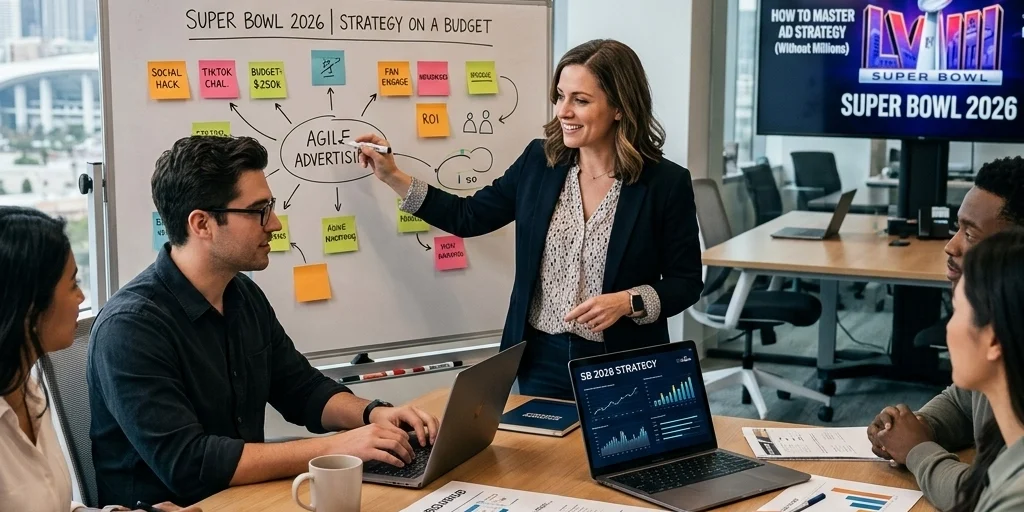
The Super Bowl remains the undisputed heavyweight champion of the American media landscape. As we look toward the 2026 season, the spectacle has evolved far beyond a mere football game; it is a global cultural event that commands the undivided attention of over 100 million viewers. Traditionally, this stage was reserved for "Blue Chip" brands with the capital to spend upwards of $7 million for a single 30-second commercial. However, the paradigm is shifting.
At USA Entertainment Ventures LLC, we have observed a significant democratization in how brands interact with major sporting events. You no longer need a multi-million dollar production and airtime budget to "win" the Super Bowl. By leveraging data-driven strategies, emerging digital platforms, and a focused omnichannel approach, mid-market businesses can achieve high-impact results that were previously the exclusive domain of global conglomerates.
The Evolution of the Super Bowl Audience
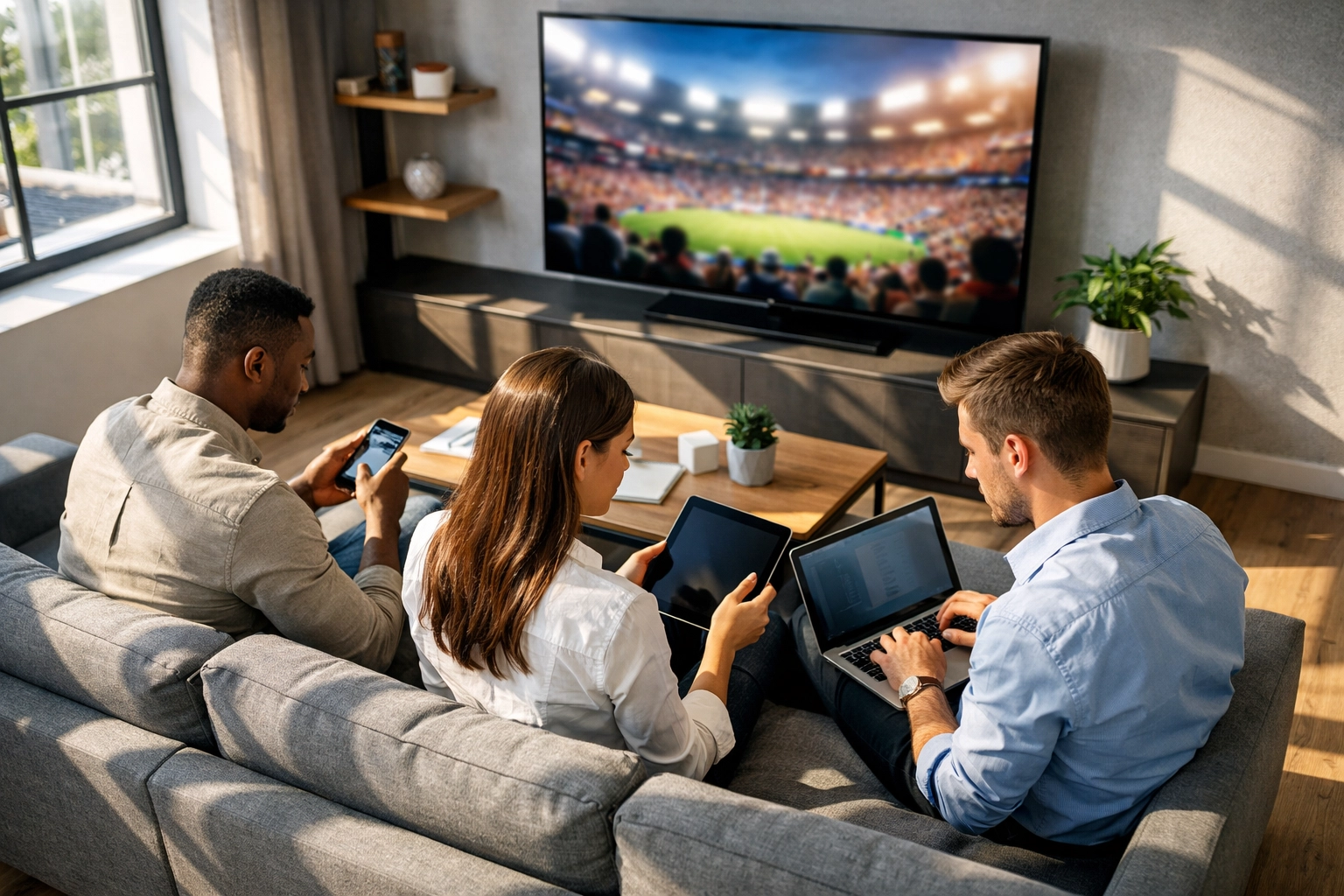
To master the 2026 advertising strategy, one must first understand how the audience has changed. Viewers are no longer tethered solely to a linear television broadcast. Instead, they engage in a "multi-screen" experience, often scrolling through social media, checking sports apps, or participating in group chats simultaneously.
Research indicates that a vast majority of fans use a second device during the game. This shift presents a massive opportunity for brands to intercept attention outside of the primary broadcast window. Our team at USA Entertainment Ventures LLC specializes in navigating these nuances, ensuring that your message reaches the right audience at the right time.
Breaking the Multi-Million Dollar Myth: Strategic Alternatives
The primary barrier to entry for Super Bowl advertising is the perceived cost. While national spots are indeed expensive, the digital transformation of sports media has created several cost-effective entry points.
1. Connected TV (CTV) and Streaming
Streaming and Connected TV (CTV) offer perhaps the most accessible entry point for modern advertisers. With the game increasingly distributed across platforms like Hulu, Peacock, and Paramount+, brands can now run high-impact video ads at a fraction of the cost of a national broadcast buy. Some campaigns can see entry points as low as $50, depending on the platform and targeting parameters.
Programmatic buying allows for precision that linear TV cannot match. Instead of paying for a mass audience that may or may not be interested in your product, programmatic tools allow you to bid on specific household segments, such as viewers interested in automotive upgrades or sustainable consumer goods. This level of granular targeting ensures that every dollar spent is optimized for conversion.
2. Local and Regional Dominance
If a national spot is out of reach, regional linear TV provides a powerful alternative. Instead of a single national buy, brands can purchase airtime in key Designated Market Areas (DMAs) where their target customers are concentrated.
Industry data suggests that for a fraction of the cost of one national 30-second spot, a brand could effectively "own" several top-tier DMAs for a period of six weeks. This regional approach builds sustained frequency and local relevance, often resulting in a higher return on investment (ROI) than a single, high-stakes national moment.
The "Surround the Moment" Omnichannel Strategy
Mastering the Super Bowl in 2026 requires an omnichannel mindset. This strategy, often referred to as "surrounding the moment," involves distributing your budget across multiple touchpoints where fans are most active before, during, and after the game.
- Digital Video and Social Media: Platforms like TikTok and Instagram allow brands to sponsor challenges or mid-roll content that aligns with the game-day hype.
- Out-of-Home (OOH) Digital Displays: Strategic placement of digital billboards in high-traffic areas or near stadiums can reinforce digital messaging.
- Retail Media and Email Campaigns: Creating a clear path from awareness to conversion through targeted email blasts and retail-specific promotions ensures the advertising momentum is captured in sales.
By integrating these channels, you create a cohesive brand story that exists everywhere the fan looks. Our services are designed to help businesses build these integrated frameworks without the need for a traditional agency's bloated overhead.

The Super Bowl Playbook: Expert Insights
To help you visualize these strategies in action, we recommend exploring our latest newsletter focus: The Super Bowl Playbook – Sports Media's Advertising Strategy. This resource breaks down the specific tactical shifts occurring in sports media today.
Understanding the mechanics of sports media is essential for any business leader looking to scale. For a deeper dive into the technical and creative aspects of high-impact sports advertising, watch the following video:
https://www.youtube.com/watch?v=l6J-0zileKE
Performance Optimization and Real-Time Bidding
The beauty of modern digital advertising is the ability to adjust on the fly. In 2026, real-time bidding (RTB) strategies will be more sophisticated than ever. Brands can automatically adjust their spending based on live conversion metrics or even the flow of the game itself.
For instance, if a specific demographic shows a high engagement rate with a digital ad during the first quarter, budgets can be instantly shifted to maximize that momentum. We also utilize audience lookalike modeling, a technique that uses your current best customers’ characteristics to find similar fans who are likely to engage with your brand during the Super Bowl.
Creative personalization also plays a vital role. By swapping imagery or text based on a viewer's location or stated preferences, you increase the relevance of your ad without needing to produce dozens of different video versions. This efficiency is key to maintaining a lean budget while achieving maximum impact.

Measuring Success Beyond the Final Whistle
One of the most common mistakes brands make is failing to define what a "win" looks like. In a consulting capacity, we often see businesses chase "vanity metrics" like likes or shares without a clear link to revenue.
To truly master your Super Bowl 2026 strategy, success must be measured through:
- App Downloads and Online Purchases: Direct conversion tracking through pixels and attribution software.
- Brand Sentiment Analysis: Using AI tools to gauge how the public perception of your brand shifted during the campaign.
- Customer Acquisition Cost (CAC): Comparing the cost of these alternative channels against traditional media buys to prove the value of the lean strategy.
As Dan Kost, CEO of USA Entertainment Ventures LLC, often emphasizes, the goal of business consulting is to turn complex media landscapes into actionable opportunities for growth.
Preparing for 2026 and Beyond
The road to Super Bowl 2026 advertising mastery begins with a willingness to innovate. By moving away from the "national or nothing" mindset, your brand can harness the power of the world’s largest sporting event to drive real business results. Whether through CTV, regional TV buys, or a robust digital "surround" strategy, the opportunities for mid-market brands have never been greater.
If you are ready to develop a customized strategy that aligns with your specific goals and budget, we invite you to explore our showcase of past successes or contact us directly to start a conversation.
The future of advertising is not just about who has the biggest budget, it’s about who has the smartest strategy. By focusing on data, agility, and omnichannel integration, your brand can stand shoulder-to-shoulder with the giants of the industry, making a lasting impact long after the game is over.

Disclaimer: The information provided in this post is for educational and strategic planning purposes. For specific legal or financial advice regarding advertising contracts, please consult with a qualified professional or review our disclaimer.





