
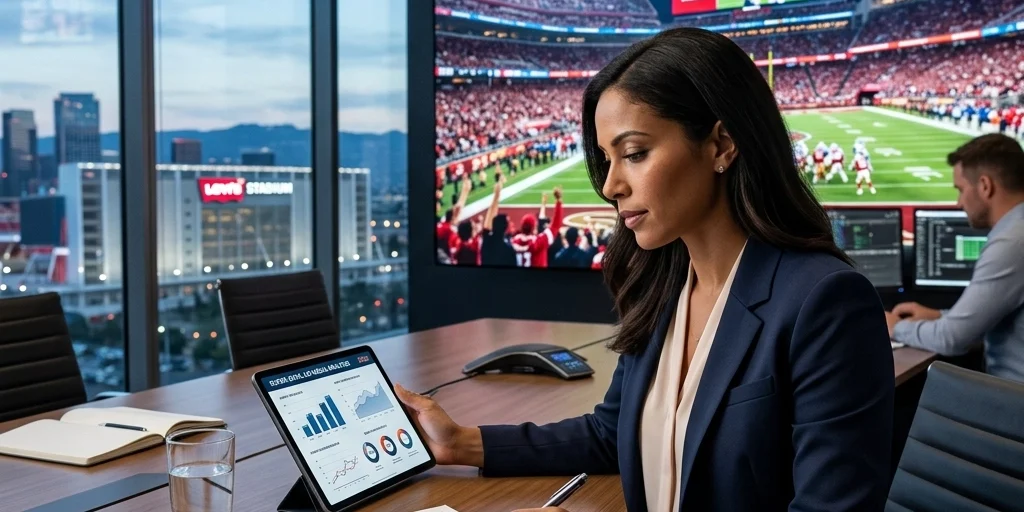
As the dust settles on Super Bowl LX, the sports media landscape has reached a definitive turning point. The year 2026 will be remembered not just for the action on the field, but for the unprecedented shift in how brands engaged with a global audience. For years, the industry viewed a Super Bowl commercial as a singular, high-stakes event: a 30-second "all or nothing" gamble. However, the data from this year’s campaigns confirms that the era of the isolated TV spot is over.
Success in modern sports media now requires a sophisticated, omnichannel framework. At USA Entertainment Ventures LLC, we have observed that the winners of the 2026 advertising cycle didn't just buy airtime; they built ecosystems. This "Super Bowl Playbook" is no longer a secret, but a repeatable framework that combines traditional physical touchpoints with cutting-edge artificial intelligence and predictive analytics.
The Evolution of the Sports Media Framework
In a recent strategy session, Dan Kost, CEO of USA Entertainment Ventures LLC, noted that "simplicity is the ultimate sophistication in business consulting." This philosophy was evident in the most successful 2026 campaigns. While the technology behind the scenes was complex, the consumer experience was seamless and straightforward.
The fundamental challenge for brands in 2026 was fragmentation. With viewers splitting their attention between the primary broadcast, secondary streams, social media feeds, and physical gatherings, a single television ad was insufficient to drive meaningful ROI. The "Proven Sports Media Framework" solves this by treating the Super Bowl not as a moment, but as a multi-week journey.
Phase 1: Priming the Pump with Teaser Direct Mail
Contrary to the digital-only narrative, 2026 saw a massive resurgence in physical marketing. The first phase of the winning framework involves priming the audience through personalized direct mail.
Leading brands sent "Game Day Kits" or exclusive physical invitations to their high-value segments a week before the game. Using variable data printing, these mailers were personalized to the recipient's local market or even their favorite team’s colors. This physical touchpoint created a sense of anticipation that digital ads often struggle to achieve. By the time the Super Bowl aired, the audience was already "warm," having physically interacted with the brand in their own homes.

Phase 2: Leveraging AI and Predictive Analytics
The backbone of the 2026 strategy was the integration of Artificial Intelligence. Rather than casting a wide, expensive net, brands used AI to analyze trillions of data points to predict consumer behavior during the game.
This wasn't just about targeting; it was about context. AI-driven models ensured that digital ads appeared in contextually relevant streams at the exact moment the consumer was most likely to engage. For instance, food and beverage brands used real-time data to trigger mobile ads on recipe blogs and food delivery apps just as search volume for "game day snacks" peaked.
As explored in our marketing category, the goal of AI in 2026 was to be "helpful and human-centered" rather than intrusive. The brands that won big were those that used technology to solve a problem for the viewer: such as offering a discount code for a ride-share service exactly when data suggested the party was winding down.
Phase 3: The Direct Mail & Digital Handshake
The most innovative aspect of the 2026 framework is what industry experts call the "Direct Mail & Digital Handshake." This is a coordinated execution where digital ads are triggered to appear on a recipient’s social media feed or search results the moment a physical mailer is delivered to their home.
This creates a 360-degree brand presence. When a consumer sees a brand on their coffee table and then sees the same brand on their smartphone, the psychological effect is powerful. It establishes a sense of ubiquity and authority. This strategy move beyond the 30-second spot and creates a "surround sound" effect that follows the consumer across multiple environments.

The Four Content Themes of 2026
While the delivery framework is essential, the creative content must also resonate. In 2026, four distinct themes emerged as the most effective for driving engagement:
- AI as a Human Companion: Ads that featured AI focused on how the technology assists humans in everyday tasks. It was portrayed as an accessible tool for connection, not a replacement for human ingenuity.
- Strategic Nostalgia: Brands leveraged their heritage to bridge generational gaps. By pairing classic brand icons with modern humor or high-definition visuals, they appealed to both Gen Z and Baby Boomers simultaneously.
- Self-Aware Humor: In an era of high skepticism, brands that poked fun at their own advertising tropes were highly successful. Authenticity was favored over polished perfection.
- Emotional Storytelling: Themes of belonging and perseverance continued to perform well. These ads focused on human connection, often tying the brand to larger social or community goals.
The Power of Video in the Framework
A critical component of this strategy is the use of long-form and short-form video content to supplement the main event. Brands that utilized video effectively saw a significantly higher retention rate.
To see this framework in action and understand the visual storytelling techniques used by top-tier consultants, watch this breakdown of the Super Bowl Playbook:
https://www.youtube.com/watch?v=l6J-0zileKE
This video illustrates how the "surround sound" strategy transitions from the screen to the real world, a core focus of our media consulting services.
Beyond the 30-Second Spot: Local and Niche Targeting
One of the most significant takeaways from 2026 is that you don't need a $7 million national budget to "win" the Super Bowl. For brands focused on specific regions or industries, geotargeted advertising proved to be a high-ROI alternative.
By targeting the geographical areas surrounding the game venue, sports bars, and transportation hubs, brands captured the attention of the most engaged fans without the price tag of a national commercial. This approach, often utilized by our business consulting partners, allows for hyper-relevant messaging that speaks directly to the fan experience in real-time.
Phase 4: Post-Game Persistence
The framework does not end when the clock hits zero. The fourth and final phase is "Post-Game Persistence." Many brands make the mistake of going dark the Monday after the Super Bowl. However, the data shows that the "tail" of the Super Bowl engagement lasts for several weeks.
Winning brands followed up with "Post-Game Recap" emails, "Winner’s Circle" discounts, and even follow-up postcards through the end of Q1. By maintaining this momentum, they converted a one-day spectacle into a long-term customer relationship. This lifecycle management is a hallmark of the services provided at USA Entertainment Ventures LLC.
Practical Takeaways for Your Brand
To implement the 2026 Sports Media Framework, consider these actionable steps:
- Integrate Physical and Digital: Don't rely on digital ads alone. Use direct mail to create a physical presence in the consumer's home.
- Invest in Predictive Analytics: Use AI to understand when and where your audience is most likely to be receptive, not just who they are.
- Tell a Human Story: Ensure your creative content focuses on connection and utility.
- Plan for the Long Tail: Allocate a portion of your budget for the weeks following the major event to capitalize on the lingering buzz.

Conclusion: The Future of Sports Media
The success of the 2026 Super Bowl advertising strategy has provided a roadmap for all future high-impact sports media events. It has proven that while the stage may be larger during the Super Bowl, the principles of the framework apply to any major cultural moment.
By focusing on a full-funnel approach that values physical touchpoints, AI-driven insights, and emotional storytelling, brands can ensure their message isn't just seen, but remembered. As we move further into 2026 and look toward the future, those who embrace this multifaceted framework will be the ones who continue to win big.
If you are looking to refine your brand's strategy or need expert guidance on navigating the complex world of entertainment and media, visit our portfolio to see how we help businesses reach their full potential. The game is changing; is your playbook ready?





