
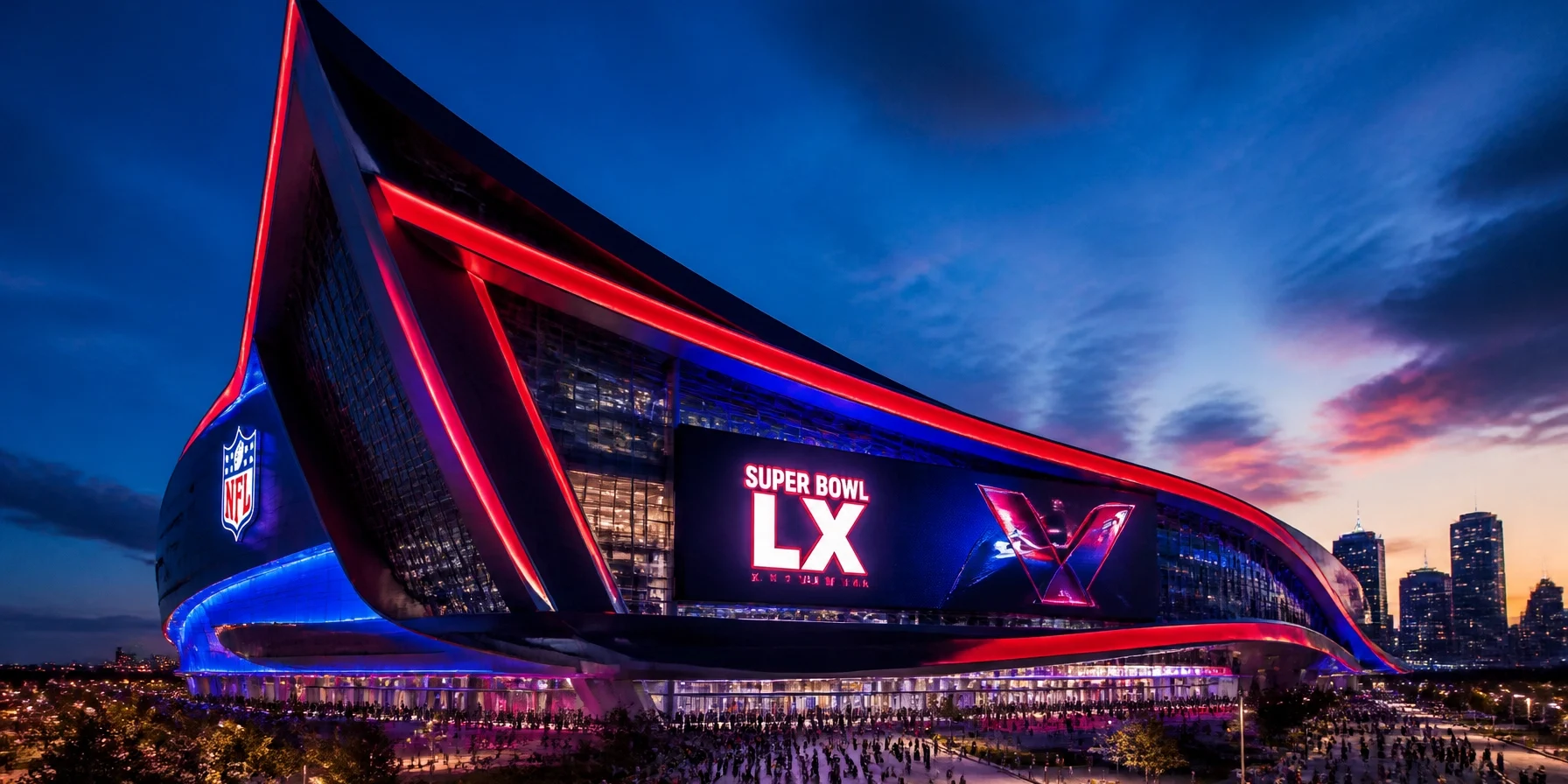
In the high-stakes arena of global sports, few events command the cultural gravity and economic power of the Super Bowl. As we reflect on the landscape of Super Bowl LX in 2026, it has become increasingly evident that the "Big Game" is no longer just a singular 60-minute football match. Instead, it has evolved into a multi-week cultural ecosystem that demands a sophisticated, data-driven strategy to navigate successfully. For brands and media professionals, the difference between a record-breaking ROI and a lost investment often hinges on understanding the nuances of this shifting landscape.
This guide explores the foundational pillars of modern sports media strategy, drawing on the successes of Super Bowl LX to provide actionable insights for future campaigns. From the integration of artificial intelligence to the untapped potential of workforce management through programs like the DOD Skill Bridge, we will break down how to dominate the arena.
The Evolution of the Sports Media Marketplace
The financial bar for entry into the Super Bowl has reached unprecedented heights. In 2026, a 30-second national broadcast spot commanded an average price tag of approximately $8 million. With such substantial capital at risk, the industry has shifted away from speculative creative toward "meaningful difference."
According to recent data from Kantar, successful campaigns in 2026 prioritized clarity and product-linked ideas over generic entertainment. The most effective ads were those where the "core joke" or emotional hook was inseparable from the brand itself. For instance, the rise of AI platforms in the advertising space showed that technical jargon is a deterrent; instead, winners used human-scale scenarios to make complex technology relatable.
Data-Driven Engagement
The effectiveness of these strategies is not just anecdotal. Performance metrics from EDO indicate that the single most effective advertiser in Super Bowl LX: an AI-driven platform: generated 9.1 times the impact of the median ad. This suggests that even within the most expensive media buy in the world, the quality of strategic execution can create a massive multiplier effect.

The Multi-Platform "Super Bowl to Scroll" Journey
One of the most significant shifts identified in current sports media is the move toward "machine-mediated engagement." This strategy acknowledges that the viewer's journey begins on the broadcast screen but lives and breathes on social feeds.
The Power of Shorter Creative
Research has challenged the long-held assumption that a full 30-second spot is necessary for impact. Data suggests that 15-second spots, when designed correctly, can match the brand lift of their longer counterparts across platforms like YouTube, Instagram, and Prime Video. This modular approach allows brands to extend their reach into the "afterglow" of the game: the weeks following the event where conversation continues via influencers and creators.
To stay ahead of these shifts, many organizations are turning to specialized resources like The Super Bowl Playbook – Sports Media's Advertising Strategy newsletter, which provides ongoing analysis of these cross-platform trends.
Owning the Physical Environment
While digital reach is vital, the physical environment of the stadium offers a tangible connection to fans that screens cannot replicate. USA Entertainment Ventures LLC, through its specialized divisions, emphasizes the importance of "owning the environment." This includes:
- Sporttron Digital Network: Accessing ribbon boards and jumbotrons across over 780 venues.
- Tangible Fan Experiences: Utilizing high-touch concession platforms, such as branded cup holders, to create physical touchpoints.
For a deeper look into how these physical and digital elements converge, watch this strategic overview:
https://www.youtube.com/watch?v=l6J-0zileKE
Workforce Strategy: The Human Component of Sports Media
A successful media strategy is only as strong as the team executing it. As the industry becomes more technical, the demand for specialized talent in business development and management has surged. USA Entertainment Ventures LLC has identified a critical need for bridging the gap between high-level military talent and corporate sports media roles.
The DOD Skill Bridge and Talent Funnels
The recruitment of veterans through the DOD Skill Bridge program is a burgeoning opportunity for the sports media industry. Veterans bring a level of precision, leadership, and technical adaptability that is perfectly suited for the high-pressure environment of Super Bowl planning. By integrating these professionals into the "air chart" departments and management structures, companies can stabilize their workforce while fostering a culture of excellence.
This focus on human capital is part of a broader next-generation talent funnel that ensures the industry remains innovative and resilient against economic fluctuations.

Leveraging NIL and Emerging Influencers
The 2026 season confirmed that the influence of athletes extends far beyond their performance on the field. The Name, Image, and Likeness (NIL) landscape has matured into a core distribution channel. Leveraging a platform of over 20,000 authentic voices allows brands to connect with Gen Z and younger millennial audiences in a way that traditional broadcast ads cannot.
As noted in our guide to winning fans at Super Bowl 2026, these student-athletes define culture for the next generation. Integrating them into your media mix isn't just about reach; it's about authenticity and cultural resonance.
Actionable Takeaways for Future Success
To succeed in the evolving sports media landscape, professionals should implement the following practical strategies:
- Adopt a Modular Creative System: Design your content for "Super Bowl to scroll." This means creating a hero spot for broadcast alongside 15-second cutdowns and 6-second vertical bumpers for social platforms.
- Focus on Meaningful Difference: Ensure your brand message is clearly tied to a product benefit. Avoid the "celebrity for celebrity's sake" trap; every creative choice must reinforce brand equity.
- Optimize the Physical Footprint: Don't stop at the TV buy. Use out-of-home (OOH) environments, such as stadium signage and transit near the venue, to surround your target audience.
- Invest in Specialized Recruitment: Look toward programs like the DOD Skill Bridge to fill management and technical roles with disciplined, high-performing talent. Addressing workforce strategy is just as important as the media buy.
- Utilize Predictive Modeling: Move beyond simple view counts. Use fan sentiment analysis and predictive ROI modeling to justify your spend and iterate on your messaging in real-time.

The Future of Sports Media
As we look toward Super Bowl LXI and beyond, the trend toward a "Safer Bowl": defined by light, optimistic, and humorous content: is likely to persist. Brands that can navigate the intersection of technical innovation (like AI) and human connection (through NIL and experiential marketing) will find the most success.
The Super Bowl remains the ultimate test of a brand's strategic mettle. By moving away from isolated moments and toward a holistic, ecosystem-based approach, you can ensure your brand doesn't just show up for the game: it dominates the conversation long after the final whistle has blown.
For those looking to refine their approach, exploring branding strategy lessons from the Super Bowl Playbook is an excellent place to start. The future of sports media is bright, technical, and more interconnected than ever before.





