
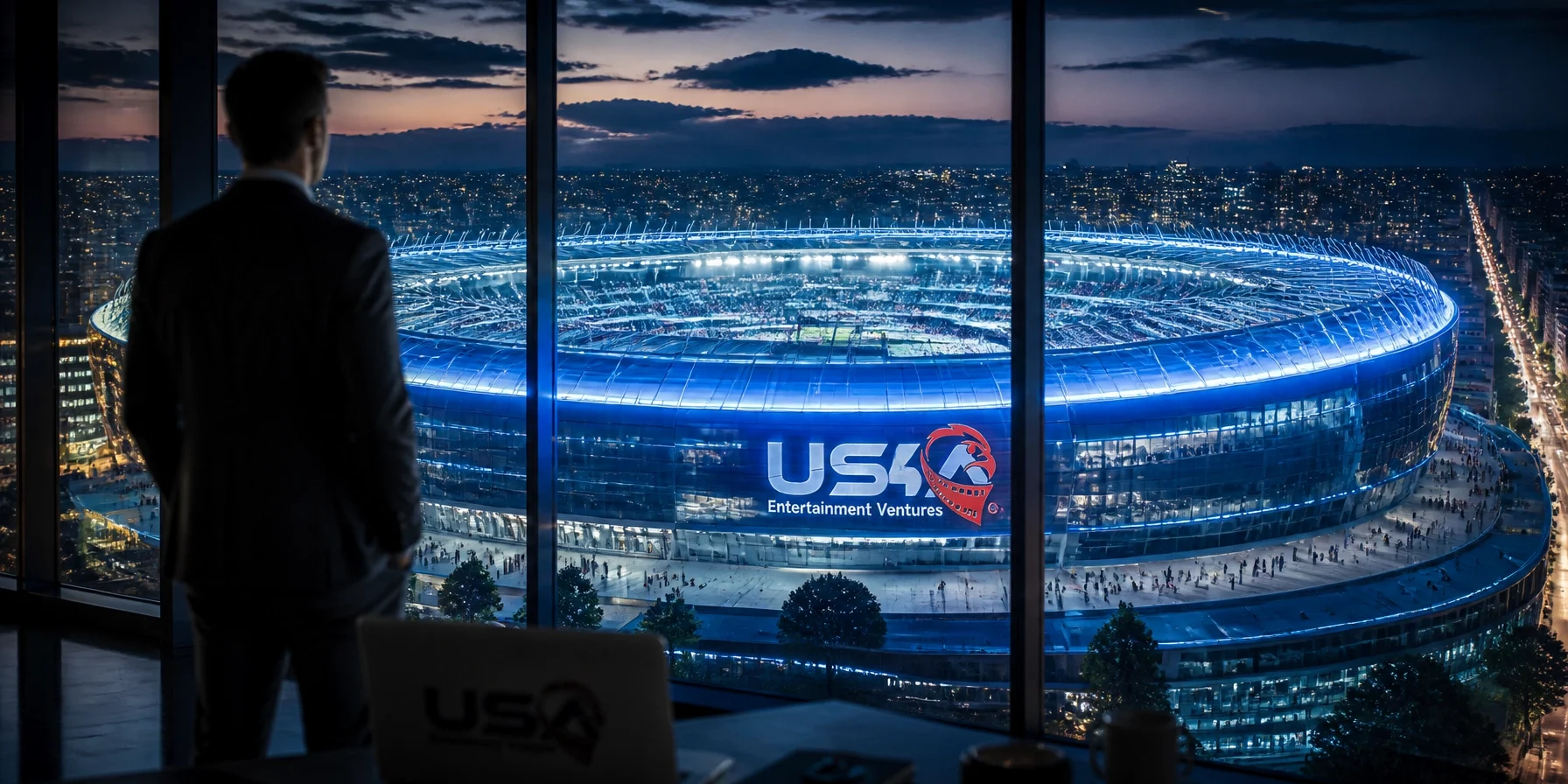
The Super Bowl remains the undisputed pinnacle of the American media landscape. In an era of fragmented audiences and specialized streaming platforms, it is the rare occasion where over 120 million viewers converge on a single broadcast simultaneously. For brands, this represents more than just a marketing opportunity; it is a high-stakes arena where strategic precision can define a brand’s trajectory for years to come.
However, the nature of the "Big Game" strategy has undergone a fundamental transformation. It is no longer a simple matter of producing a high-budget commercial and hoping for the best. Success in 2026 and beyond requires a sophisticated, multi-layered approach that bridges the gap between traditional television, digital amplification, and real-world engagement. At USA Entertainment Ventures LLC, we understand that managing these complex brand integrations requires a veteran perspective and an eye for future trends.
The New Economics of the Big Game
To understand why brands invest upward of $7 million for a mere 30 seconds of airtime, one must look beyond the sticker price and focus on the documented Return on Investment (ROI). While the immediate cost is high, the long-term brand lift is often significant.
Research from Kantar suggests that Super Bowl advertisements delivered an average ROI of $4.60 for every $1 spent in recent years. This return is not typically driven by an overnight sales spike, but rather by a massive surge in brand search, word-of-mouth conversation, and long-tail consumer intent. For example, top-performing ads in recent cycles have seen an average 22% increase in total word-of-mouth volume in the week following the game.
Objective data indicates that brands rarely see a negative impact on purchase intent from these placements, regardless of creative reception. Instead, the Super Bowl serves as a credibility multiplier. When a brand appears on that stage, it signals to the market that they are a "heavyweight" in their category.
Beyond the 30-Second Spot: The Power of Omnichannel Synergy
The most successful brands today do not treat their Super Bowl spot as a standalone event. Instead, they view it as the centerpiece of a weeks-long ecosystem. The "Super Bowl Playbook" now dictates that the conversation must begin long before the kickoff and continue long after the final whistle.

The Pre-Game Build-Up
Data from Northbeam reveals a critical insight: digital performance often peaks before Sunday. While CPMs (Cost Per Mille) rise as the game approaches, the highest conversion rates and Return on Ad Spend (ROAS) are frequently found in the Thursday through Saturday window. Savvy brands are front-loading their digital spend, using teasers and extended cuts to build anticipation. By the time the ad airs during the broadcast, the audience is already primed and waiting for the "event."
Out-of-Home (OOH) Domination
In the physical world, the impact of the Super Bowl is felt most acutely in the host city and major metropolitan hubs. Our division at USA Entertainment Ventures LLC emphasizes the importance of owning the environment. Through proprietary digital networks like Sporttron, brands can access ribbon boards and jumbotrons in over 780 venues nationwide, ensuring that their message is unavoidable.
For a deeper dive into how physical presence can redefine your strategy, see our detailed analysis on The Ultimate Guide to OOH Domination, which examines how Sporttron’s playbook changed the game forever.
Creative Pillars: Celebrity, Nostalgia, and Connection
While strategy and media buying provide the framework, the creative content remains the heart of the campaign. The trend toward high-visibility celebrity involvement continues to grow, with over 60% of Super Bowl ads now featuring at least one major star.
However, the mere presence of a celebrity is no longer enough. The most effective campaigns utilize:
- Generational Mash-ups: Pairing icons from different eras to appeal to both Gen Z and Baby Boomers simultaneously.
- Nostalgia with a Twist: Utilizing familiar characters or themes: which appeared in over 45% of ads in recent years: to create an immediate emotional shorthand with the audience.
- Animal Protagonists: Historically, advertisements featuring animals as the primary focus consistently index higher in consumer favorability and memorability.
The goal is to create a "shareable moment." If an ad does not generate a viral reaction on YouTube (currently the #3 digital platform for Super Bowl week spend) or TikTok, it has failed to reach its full potential.
The NIL Revolution: Authentic Voices in Sports Media
One of the most significant shifts in the modern sports marketing landscape is the rise of Name, Image, and Likeness (NIL) opportunities. Authentic connection is the new currency of the digital age. Brands can now leverage platforms to tap into thousands of authentic student-athlete voices who define culture for the next generation.

As highlighted in the Sports Media Super Bowl Strategy Playbook, bridging the gap between a corporate brand and a student-athlete allows for a level of grassroots engagement that a national TV spot simply cannot replicate. These athletes provide a direct line to highly engaged, niche communities, offering a level of trust and influence that traditional endorsements often lack.
Data-Driven Success and Predictive Modeling
In a high-stakes environment, guessing is not an option. Professional brand management requires the use of predictive modeling and fan sentiment analysis from day one. By analyzing historical data and real-time social trends, brands can forecast the potential reach and impact of their creative choices before they ever go live.
At USA Entertainment Ventures LLC, we prioritize these services to ensure that every marketing dollar is backed by evidence. Whether it is through medical sports travel integrations or youth sports publishing, the goal is to lead the entire sports ecosystem, not just occupy a space within it.
Actionable Takeaways for Your Brand
Whether you are preparing for a national broadcast or looking to "hijack" the moment through digital channels, consider these strategic imperatives:
- Integrated Campaign Architecture: Treat your TV spot as a catalyst, not the conclusion. Surround it with digital video, social search, and OOH activations to maximize frequency and reach.
- Prioritize Pre-Game Efficiency: Shift a portion of your digital budget to the week leading up to the game. You will often find better CPMs and higher engagement before the "noise" of Sunday reaches its peak.
- Leverage Authentic Influence: Look beyond the A-list celebrities and explore NIL partnerships. These creators can drive tangible fan experiences and bridge the gap to younger demographics.
- Utilize Predictive ROI Tools: Demand data that goes beyond simple impressions. Focus on brand lift, search volume spikes, and predictive sentiment to measure true success.

Conclusion: Looking Toward 2026
The Super Bowl remains a unique opportunity to achieve what is otherwise impossible in modern marketing: universal attention. However, as the ecosystem becomes more complex, the distance between success and failure narrows. By combining veteran expertise with cutting-edge digital and OOH strategies, brands can move from being mere participants to becoming the dominant voices in the arena.
The future of sports media is inclusive, data-driven, and multi-dimensional. Aligning your vision with professional management and a forward-looking strategy is the only way to ensure your brand doesn't just survive the Big Game, but thrives within it.





