
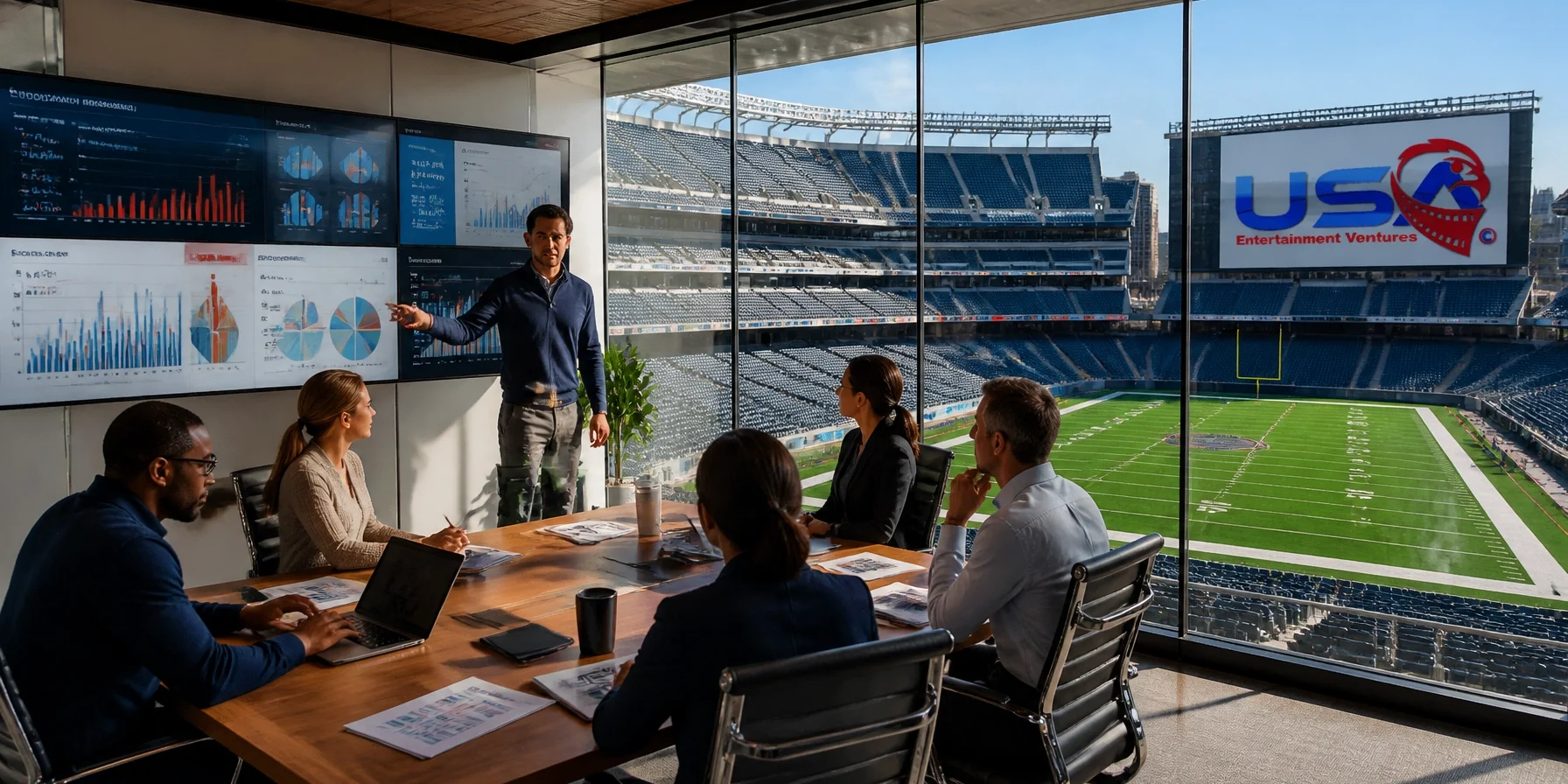
For decades, the "Big Game" has represented the pinnacle of American advertising: a singular moment where the world’s most influential brands vie for the attention of over 120 million viewers. However, as we approach the 2026 season, the landscape of sports marketing is undergoing a seismic shift. The traditional 30-second television spot, while still prestigious, is no longer the sole arbiter of brand success. In its place, Name, Image, and Likeness (NIL) platforms have emerged as the primary vehicle for Fortune 100 brands to drive authentic engagement, measurable ROI, and long-term brand loyalty.
At USA Entertainment Ventures LLC, we have observed that the modern consumer: particularly the Gen Z and Millennial demographics: prizes authenticity over polished corporate messaging. This cultural pivot has transformed NIL from a "test-and-learn" experiment into a mandatory strategic pillar for any brand looking to dominate the arena.
The Economic Reality of the Big Game: TV vs. NIL
The financial barrier to entry for traditional Big Game advertising continues to climb. In 2026, a 30-second television spot averaged between $8 million and $10 million. While the reach of such an investment is undeniable, the cost-per-engagement (CPE) often pales in comparison to the efficiency of decentralized athlete marketing.
Data from Sports Media Inc., a leading division of USA Entertainment Ventures, indicates that brands shifting a portion of their broadcast budget into NIL platforms are seeing a 300% increase in brand engagement. For the price of a single premium television slot, a Fortune 100 brand can build a portfolio of hundreds of athletes, creating an "always-on" content engine that spans the entire season rather than a single evening.
Key Statistics for the 2026 Season:
- Reach: Athlete-driven content through specialized platforms has reached a combined audience of over 50 million people during the Big Game window.
- Conversion: NIL partnerships have reported 450% higher content sharing rates compared to traditional digital ads.
- ROI: 85% of partner brands utilizing NIL platforms saw a measurable sales lift within 30 days of the championship game.

Why NIL Platforms are Vital for Fortune 100 Brands
For a global corporation, the primary challenge of NIL is scale and compliance. Managing individual contracts with dozens or hundreds of student-athletes is a logistical impossibility without a robust technological and managerial framework. This is where high-tier NIL platforms and management firms become indispensable.
A professional NIL platform provides four critical functions for the enterprise-level brand:
- Vetting and Compliance: Ensuring every athlete meets the brand's ethical standards and adheres to evolving NCAA and state regulations.
- Scalable Execution: The ability to launch a nationwide campaign across multiple sports and demographics simultaneously.
- Performance Analytics: Moving beyond "vanity metrics" to track real-time engagement, sentiment, and conversion data.
- Relationship Management: Transitioning one-off activations into long-term ambassador programs that provide value well beyond the final whistle.
As noted by industry experts, the shift toward NIL is not just about cost-saving; it is about "authenticity at scale." When an athlete shares a brand’s message with their dedicated followers, it is perceived as a personal recommendation rather than a corporate intrusion.
The NIL Revolution: Bridging the Gap
To truly understand the impact of this transition, one must look at the convergence of traditional media and the new digital athlete economy. The video below explores how the NIL revolution is bridging the gap between brands and the next generation of consumers.
The NIL Revolution – Bridging the Gap at the Super Bowl
This revolution is characterized by the "Sporttron" digital network and out-of-home (OOH) innovations that allow brands to own the physical and digital environment of the stadium. By integrating NIL voices with high-impact OOH advertising, brands create a 360-degree ecosystem that surrounds the consumer at every touchpoint.
Strategic Synergy: Managing Talent and Social Responsibility
At USA Entertainment Ventures LLC, our approach to "Managing" extends beyond athlete marketing. We believe that a brand’s presence at the Big Game should reflect its broader values and commitment to society. This is why we integrate our recruitment and talent management divisions, such as the DOD Skill Bridge program, into our corporate consulting framework.
The DOD Skill Bridge initiative is a Department of Defense program that allows transitioning service members to gain civilian work experience through internships during their last 180 days of service. For Fortune 100 brands, incorporating veteran recruitment into their Big Game narrative is not only a powerful social statement but a strategic move to acquire top-tier talent.

"Managing a brand in the modern era requires a holistic view," says the leadership at USA Entertainment Ventures. "It’s about connecting the dots between the athlete on the field, the veteran transitioning to the boardroom, and the consumer in the stands." By aligning NIL strategies with corporate social responsibility (CSR) initiatives like Skill Bridge, brands build a narrative of "togetherness and identity": themes that performed exceptionally well in recent Big Game creative analyses.
Implementing a Winning Playbook for 2026 and Beyond
For Fortune 100 CMOs, the path to success at the next Big Game involves a three-pronged strategy:
1. Build an "Always-On" Athlete Network
Instead of waiting for February, brands should begin identifying and onboarding athletes months in advance. Use platforms like Sports Media to manage a diverse roster that reflects your target audience's demographics and values.
2. Align Narrative Across Channels
The most successful 2026 campaigns were those that used NIL athletes to "prime" the audience. If your main television spot focuses on nostalgia or AI innovation, your NIL partners should be creating complementary "behind-the-scenes" or "lifestyle" content that echoes these themes.
3. Leverage Multi-Channel Management
Don’t limit your reach to social media. Combine NIL influence with tangible fan experiences, such as stadium concessions and digital ribbon boards. This multi-channel approach ensures that your brand owns the moment, both in the stadium and on the smartphone.

Conclusion: The Future of the Arena
The era of passive advertising is coming to a close. As we look toward the future of the Big Game, the brands that thrive will be those that embrace the complexity and opportunity of the NIL landscape. By partnering with experienced management firms like USA Entertainment Ventures LLC, Fortune 100 brands can navigate this new terrain with confidence, ensuring their message is not just seen, but felt and shared.
The transition from traditional spots to a decentralized, athlete-led marketing strategy is more than a trend: it is a fundamental evolution of how business is conducted in the sports ecosystem. Whether through NIL innovation or veteran recruitment via the DOD Skill Bridge, the goal remains the same: to manage talent and opportunity in a way that benefits both the brand and the broader societal good.
To learn more about our comprehensive management services and how to secure your brand's legacy at the next Big Game, visit USA Entertainment Ventures.





