
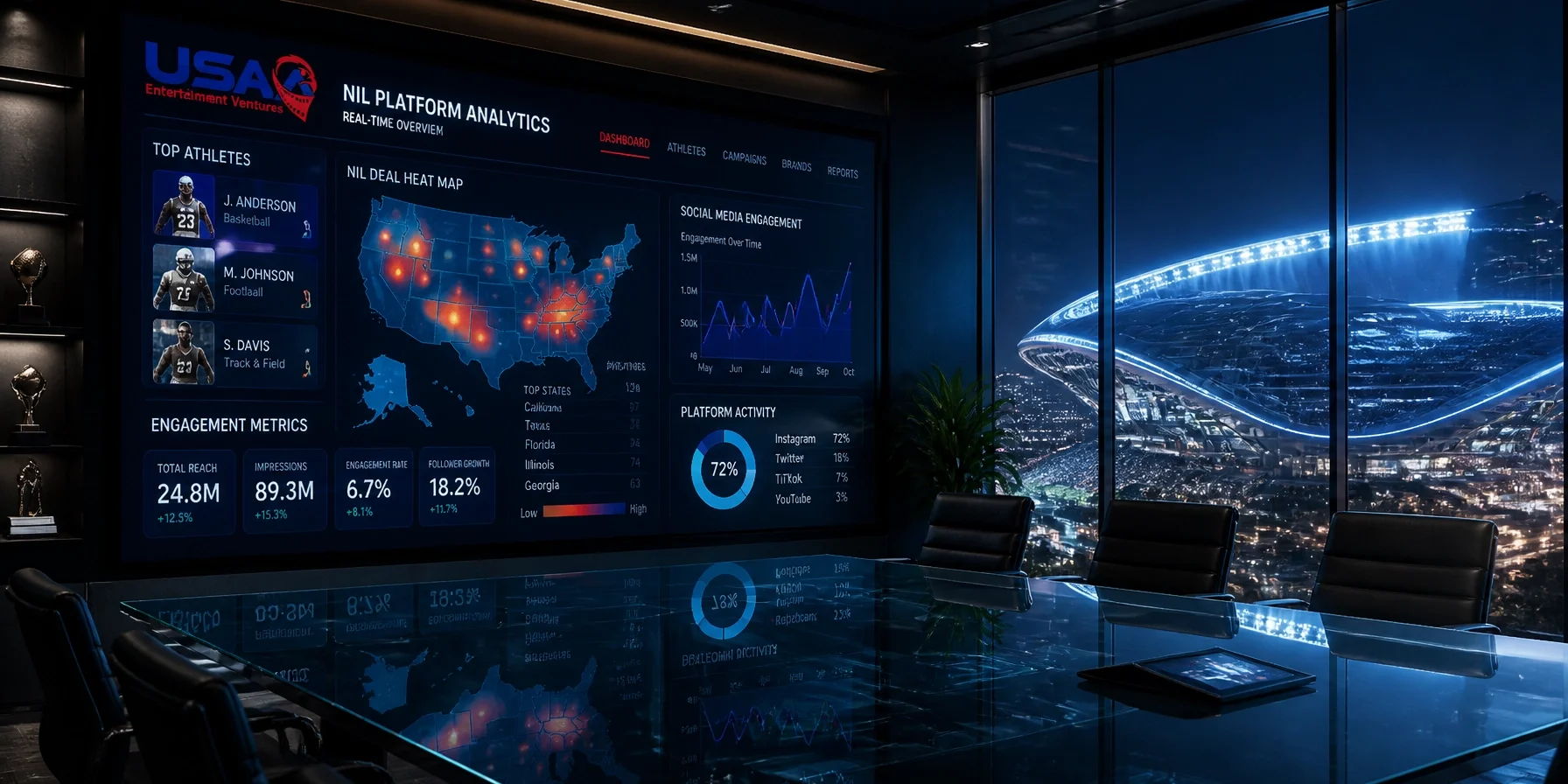
The landscape of sports marketing is undergoing a seismic shift. For decades, the Super Bowl was defined by a handful of high-priced, 30-second commercials and the endorsement of a few legendary professional athletes. However, as we approach Super Bowl 2026, the paradigm has changed. The "NIL Revolution": driven by Name, Image, and Likeness rights: has transformed the Big Game from a centralized broadcast event into a decentralized, multi-platform cultural ecosystem.
For Fortune 100 brands, this shift represents both a challenge and an unprecedented opportunity. The challenge lies in navigating a fragmented media environment; the opportunity is the ability to leverage a "talent layer" of over 20,000 athletes to drive authentic, real-time engagement. To succeed in this new era, brands must move beyond traditional celebrity deals and embrace the sophisticated world of NIL platforms.
The NIL Revolution: Bridging the Gap at the Super Bowl
At its core, the NIL Revolution is about bridging gaps that once seemed insurmountable. In years past, a clear line existed between the professional "superstar" and the college athlete. Today, that line has blurred. The 2021 ruling allowing student-athletes to monetize their personal brands has created a massive pool of influencers who carry significant weight with Gen Z and younger millennial audiences.
Research indicates that in the first year of NIL rights alone, college athletes earned nearly $1 billion, with 72% of that spend concentrated in social media activity. This is particularly relevant for the Super Bowl, which is no longer just a Sunday evening broadcast but a multi-week narrative. NIL platforms allow brands to bridge the gap between:
- National Exposure and Local Relevance: Brands can now activate hometown heroes in specific markets to react to national campaigns, creating "hyper-local" connections that feel more personal than a generic national spot.
- Mass Reach and Niche Fandoms: Whether your target audience is obsessed with esports, women’s soccer, or traditional football, there is an NIL athlete who holds the "trust equity" required to influence that specific community.
- Scripted Ads and Authentic Co-Creation: The modern consumer is increasingly skeptical of polished commercials. NIL platforms facilitate co-creation, where athletes deliver brand messages in their own voice, often resulting in 3–4x higher engagement rates during tentpole events.
To understand the broader implications of this shift, consider the strategic insights shared in the following analysis:
Why Fortune 100 Brands are Prioritizing NIL Platforms
For a Fortune 100 marketer, the primary advantage of utilizing dedicated NIL platforms is scale and data-driven precision. Managed marketplaces now offer plug-and-play access to tens of thousands of athletes, allowing brands to treat athlete marketing as a programmatic media buy rather than a series of manual talent negotiations.
1. Data-Driven Athlete Matching
Modern NIL platforms are not just directories; they are sophisticated analytics engines. They allow brands to match with athletes based on audience demographics, brand alignment scores, and past performance metrics. This ensures that every dollar of a Super Bowl budget is optimized for impact, moving away from "vanity metrics" like follower counts toward more meaningful indicators of conversion and brand lift.
2. The Multi-Week Campaign Arc
The Super Bowl is a cultural event that begins in early January. NIL platforms enable brands to build anticipation through pre-game teasers, maintain momentum with "Radio Row" style digital content, and extend the campaign’s lifespan with post-game reactions and breakdowns. This long-tail approach ensures that the investment in high-quality creative assets is fully realized over weeks, not minutes.

Strategic Pillars for Super Bowl 2026 Success
To dominate the conversation at Super Bowl 2026, Fortune 100 brands should structure their NIL strategy around four key pillars:
I. The "Surround Sound" Strategy
Rather than putting all resources into a single $7M+ broadcast spot, leading brands are adopting a "surround sound" model. This involves anchoring the campaign with a hero moment (on TV or digital) and then activating a tiered roster of NIL athletes to "remix" and amplify that message across social channels. This creates a ubiquitous brand presence that feels organic to the viewer's feed.
II. Leveraging Micro-Influencer Athletes
While high-profile college stars are valuable, the real power often lies in the middle. Micro-influencer athletes: those with intense, local followings: often boast higher engagement rates and a more "trusted" relationship with their fans. A portfolio of 100 micro-influencers can often drive more meaningful results than a single celebrity endorsement at a fraction of the cost.
III. Co-Creation and Creative Freedom
The most successful Super Bowl NIL campaigns are those that provide athletes with "guardrails" rather than scripts. By allowing athletes to interpret the brand message through their own unique style, brands tap into the authenticity that makes NIL so effective. For more on this approach, see our guide on leveraging tangible connections to win fans.
IV. Real-Time Activation
The Super Bowl is unpredictable. NIL platforms allow brands to pivot in real-time. Whether it's a game-changing play or a viral halftime moment, having a roster of NIL athletes ready to react instantly allows a brand to stay at the center of the conversation as it happens.

Managing Governance, Compliance, and Risk
For major corporations, the "wild west" nature of early NIL deals was a significant barrier to entry. However, the professionalization of NIL platforms has introduced robust governance and compliance tools. Managing a roster of hundreds of athletes requires a centralized approach to:
- Contract Standardization: Ensuring all athletes are bound by clear morality clauses, disclosure requirements (FTC compliance), and usage rights.
- Integrated Reporting: Consolidating data from hundreds of individual posts into a single dashboard to measure ROI against broader business objectives.
- Risk Mitigation: Utilizing platforms that vet athletes for brand safety and alignment before a deal is ever signed.
At USA Entertainment Ventures LLC, we specialize in managing the complexities of these divisions. From talent management to the recruitment of skilled professionals through initiatives like the DOD Skill Bridge, we understand that success in high-stakes environments like the Super Bowl requires precise coordination. Our expertise in workforce strategy and data-driven decision making applies directly to the management of large-scale athlete networks.
Conclusion: Preparing for the Future of Engagement
As we look toward Super Bowl 2026, the message for brands is clear: the traditional playbook is being rewritten. The brands that succeed will be those that view the Super Bowl not as a broadcast window, but as a content engine fueled by thousands of authentic voices.
NIL platforms have democratized access to influence, allowing Fortune 100 brands to build deeper, more localized, and more measurable connections with their customers. By integrating NIL into a broader branding strategy, companies can ensure they are not just seen during the Big Game, but are actually heard.
The opportunity to bridge the gap between your brand and the next generation of fans is here. The question is whether your brand is ready to lead the revolution.






