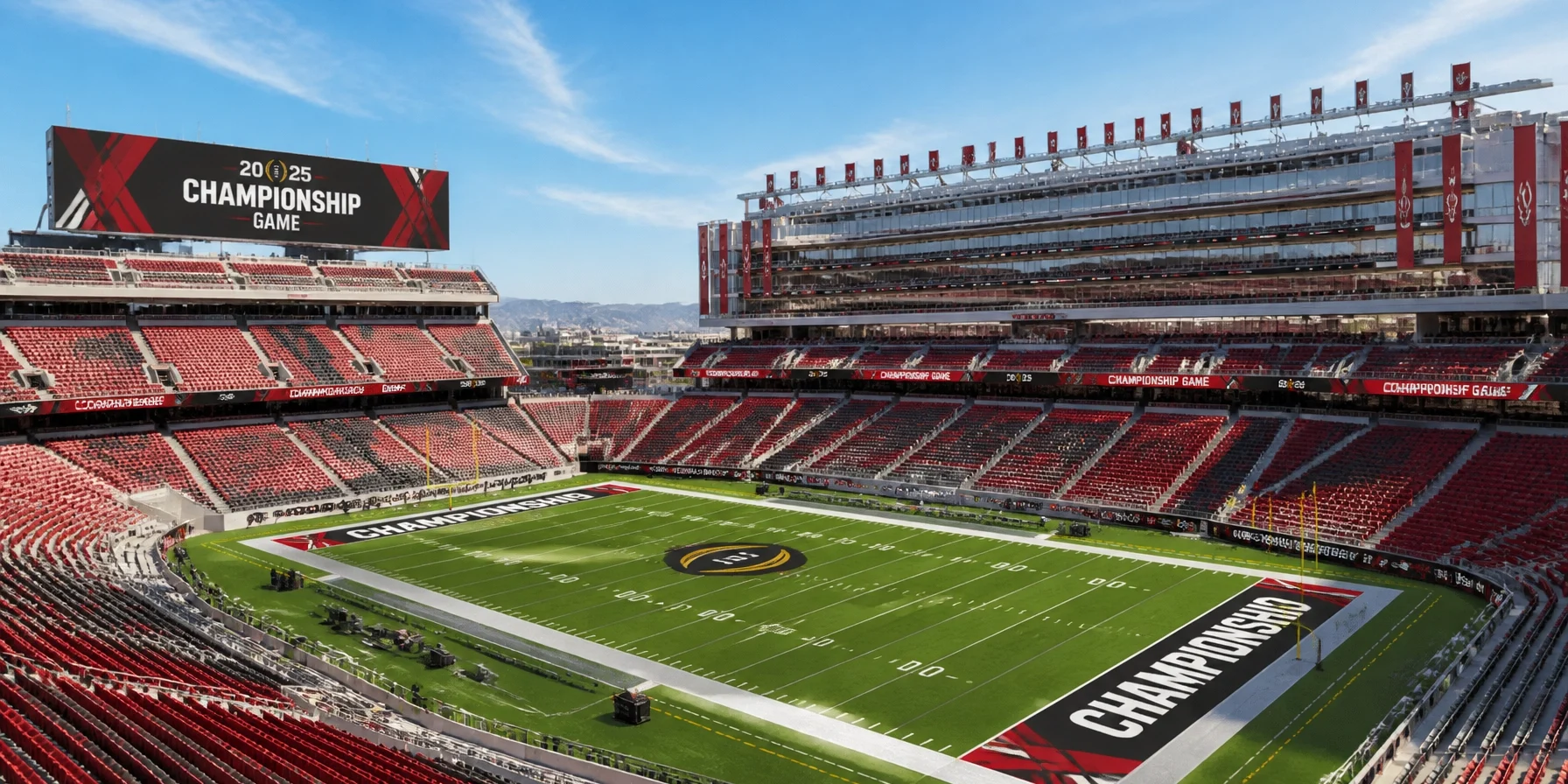
As the calendar turns toward February 2026, the eyes of the global sporting world are fixed on Levi’s Stadium in Santa Clara, California. Super Bowl LX is not merely a football game; it has evolved into a massive "cultural ecosystem" that transcends the four quarters played on the field. For brands, this event represents the pinnacle of visibility, but the strategies required to win have shifted dramatically. No longer is a solitary 30-second television spot sufficient to capture the hearts and wallets of a multi-platform audience.
Success in the 2026 landscape requires a transition from traditional advertising to high-impact fan engagement. This means creating a narrative that starts weeks before kickoff and resonates long after the final whistle. According to recent industry reports, the Super Bowl is expected to engage approximately 79.9% of all U.S. adults, with a heavy emphasis on physical-digital hybrids and localized activations throughout the San Francisco Bay Area.
The Power of Tangible Fan Experiences
In an era of digital saturation, fans are increasingly seeking "tangible" experiences: moments they can touch, feel, and participate in. This trend is a cornerstone of modern sports marketing. Brands that create high-touch physical activations, such as fan zones and interactive concession platforms, see a significant increase in brand loyalty.
As highlighted in the recent "Creating Connections" newsletter, the focus for Super Bowl 2026 is on making every touchpoint count. Whether it is through innovative cup holders for charity or large-scale digital ribbon boards, the goal is to turn a logo into a lived memory.
"Beyond the whistle, we create connections," notes the leadership at USA Entertainment Ventures. "Our high-touch concession platforms and cup holders for charity turn your brand into a tangible fan experience." This approach moves the brand from a passive background element to an active participant in the fan's journey.

Navigating the 2026 Landscape at Levi's Stadium
The geographic context of Super Bowl 2026 adds a layer of complexity and opportunity. While the game itself is in Santa Clara, the cultural impact spans the entire San Francisco region. During Super Bowl week, iconic locations like the Ferry Building often see foot traffic spikes of nearly 480% above typical nightly averages.
For business development teams, this means the entire Bay Area becomes an "out-of-home" (OOH) playground. Strategic placement of branding: from the floors of the stadium to the high-traffic hubs of downtown San Francisco: is essential. By leveraging proprietary digital networks like Sporttron, brands can access ribbon boards and jumbotrons across hundreds of venues, ensuring a consistent presence that follows the fan from the airport to the arena.
Physical-Digital Integration and the Creator Economy
The 2026 branding playbook emphasizes the "physical-digital loop." Every in-person activation must have a digital "hook" to drive social sharing and data capture. This is where Name, Image, and Likeness (NIL) partnerships come into play. By leveraging a platform of over 20,000 authentic voices, brands can bridge the gap between their corporate identity and the student-athletes who define culture for the next generation.
Recent data suggests that Millennials and Gen Z are driving nearly 70% of Super Bowl social mentions. These demographics respond best to content that feels authentic rather than overly produced. User-generated content (UGC), sparked by AI-driven challenges or interactive on-site prompts, allows the audience to become co-creators of the brand story. This not only increases reach but also builds a level of trust that traditional celebrity endorsements often lack.

Branding with Purpose: The DoD Skillbridge and Veteran Recruitment Angle
One of the most significant shifts in brand strategy for 2026 is the move toward "responsibility-first" positioning. Fans are increasingly rewarding brands that demonstrate a tangible commitment to social impact. For USA Entertainment Ventures LLC, this commitment is exemplified through their focus on DOD SkillBridge recruitment.
The DOD SkillBridge program allows service members to gain valuable civilian work experience during their last 180 days of service. Integrating this into a Super Bowl branding strategy provides a powerful narrative of workforce development and community support. By aligning a brand with the transition of veterans into high-impact roles in business development and management, companies can showcase a level of corporate citizenship that resonates deeply with the modern consumer.
"Aligning your vision with unmatched expertise is about more than just numbers," says Dan Kost, CEO of USA Entertainment Ventures. "It is about creating opportunities for those who have served and ensuring that our industry leadership is built on a foundation of professional and civic excellence."

Data-Driven Success: ROI and Predictive Modeling
In the high-stakes environment of Super Bowl branding, guessing is not an option. Factual, authoritative voices in the industry rely on data-driven insights to justify marketing spend. Advanced predictive modeling and fan sentiment analysis allow brands to prove their Return on Investment (ROI) from day one.
By tracking dashboard metrics: such as those used by Fortune 100 executives: companies can adjust their messaging in real-time. Whether it is monitoring the sentiment of a specific social media challenge or analyzing the foot traffic at a pop-up activation in the Moscone Center, the ability to pivot based on data is a hallmark of a successful 2026 campaign.

Actionable Takeaways for Your 2026 Strategy
To succeed in the "cultural ecosystem" of Super Bowl LX, consider the following practical steps:
- Move Beyond the Spot: Plan a week-long narrative arc that includes pre-game teasers, on-site experiences, and post-game extensions.
- Prioritize Tactile Engagement: Look for ways to place your brand in the fan's hand, such as through innovative concessions or charity-linked items.
- Localized Precision: Don't just buy billboards; target specific high-traffic hubs in the Bay Area to dominate the out-of-home space.
- Integrate NIL and Creators: Partner with digital-native voices to bring authenticity to your campaign and reach younger demographics.
- Lead with Purpose: Incorporate social-good components, such as veteran recruitment initiatives or local community support, to build deep brand affinity.
Conclusion: A Future-Focused Vision
Super Bowl 2026 represents a unique intersection of technology, culture, and social responsibility. As brands prepare to take the stage at Levi’s Stadium, those that prioritize tangible connections and data-driven engagement will be the ones that define the future of the industry. The opportunity to align your vision with professional expertise has never been greater.
For those looking to navigate this complex landscape, USA Entertainment Ventures LLC offers the managing expertise and strategic insight necessary to turn a moment of visibility into a lifetime of brand loyalty. As we look toward the future, the goal remains clear: to lead the sports ecosystem with precision, purpose, and a commitment to excellence.