
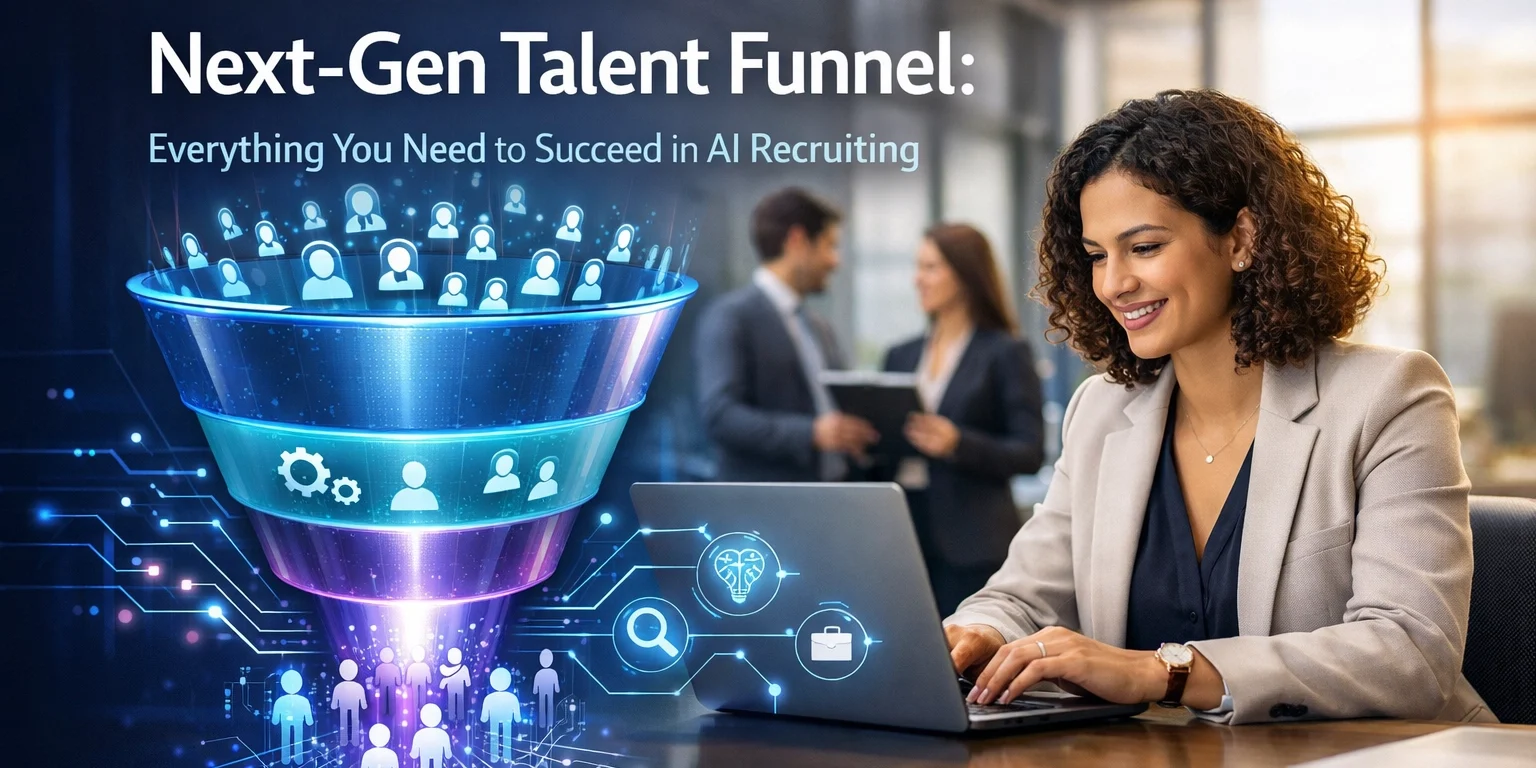
The global landscape of talent acquisition is undergoing a fundamental transformation. For decades, the recruitment funnel began at the university level or with experienced professionals. However, as technologies like Cloud Computing, Artificial Intelligence (AI), and Data Analytics become the backbone of modern industry, the competition for skilled labor has intensified. Waiting until a candidate has a degree is no longer a viable strategy for companies that want to lead.
The "Next-Gen Talent Funnel" is a strategic shift that moves the starting line of recruitment back into secondary education. By engaging with students in high school, organizations can secure a pipeline of future talent that is already literate in the digital languages of tomorrow. When combined with modern AI-driven recruiting tools, this early-intervention strategy creates a robust, efficient, and predictive hiring engine.
The Shift to High School Engagement
The demand for technical roles is outpacing the supply of qualified graduates. According to industry reports, the gap in specialized roles like Data Analytics and Cloud Architecture is expected to grow significantly over the next decade. To mitigate this, forward-thinking organizations are establishing a presence in high schools.
High school students today are digital natives. Many are already experimenting with low-code platforms, Python, and basic data visualization before they even apply for college. By engaging these students early, companies can:
- Build Brand Loyalty: Introducing your company culture to a 16-year-old creates a lasting impression that carries through their higher education.
- Influence Skill Development: Through partnerships and mentorships, companies can help shape the curriculum to ensure students are learning the specific skills the industry requires.
- Identify High-Potential Talent: Early identification of "stars" allows for customized internship paths and scholarship opportunities, effectively "locking in" talent years before they hit the open market.

Understanding the AI-Powered Recruitment Funnel
The traditional recruitment process is often reactive: filling a hole when someone leaves. The AI-powered funnel is proactive and systematic. It uses data to streamline every stage of hiring, from initial attraction to the final onboarding of a new hire. This is particularly crucial when managing a talent pipeline that spans several years, as is the case with high school outreach.
Stage 1: Sourcing Top Talent
Sourcing is the foundation. Traditional job boards are insufficient for the next-gen funnel. AI-powered sourcing tools use advanced algorithms to identify high-quality candidates across professional networks, social media, and niche communities like GitHub.
For companies looking at the high school level, sourcing involves tracking participation in STEM competitions, coding bootcamps, and digital certifications. AI can analyze these diverse data points to surface candidates who show an early aptitude for Cloud and AI technologies. Furthermore, AI-driven diversity sourcing can anonymize demographic data, ensuring that the pipeline is built on merit and potential rather than background, which is essential for modern business consulting and corporate ethics.
Stage 2: Screening and Evaluation
As the funnel narrows, screening becomes the primary bottleneck. For entry-level or "pre-entry" level talent, resumes are often thin. AI helps solve this through Natural Language Processing (NLP) and automated skill assessments.
NLP algorithms can analyze a student's project descriptions or technical hobbyist work to identify relevant skills that might not be captured in a traditional format. For instance, a student’s work on an open-source AI project can be evaluated for complexity and accuracy. Currently, approximately 78% of recruiters agree that an Applicant Tracking System (ATS) helps them hire better candidates by organizing these data points effectively.

Stage 3: Interviewing and Assessment
Once candidates are identified and screened, the interviewing phase must be standardized to remain objective. This is where many organizations fail by relying too heavily on "gut feeling."
Standardized interview scorecards are a critical tool here. By using AI to record and analyze interview responses (with candidate consent), companies can measure soft skills and technical potential against a consistent benchmark. This ensures that every high school prospect is evaluated on the same criteria, reducing unconscious bias and improving the quality of the eventual hire.
Stage 4: Decision-Making Driven by Data
The decision-making stage in the Next-Gen Talent Funnel is not just about who to hire today, but who to invest in for tomorrow. AI can score candidates based on their alignment with company growth objectives. For example, if a company like USA Entertainment Ventures LLC knows it will need a 20% increase in Cloud Engineers by 2030, the AI can prioritize candidates whose early learning trajectories align with that specific need.
Data shows that tech startups using AI-driven cultural matching have seen a 25% increase in employee retention. This is because the AI looks beyond technical skills to evaluate how a candidate’s values align with the organization’s long-term mission.
Stage 5: Onboarding and Continuous Engagement
Onboarding should begin the moment a candidate enters the funnel, even if their official start date is years away. For high school students, this might mean a "pre-onboarding" phase consisting of monthly newsletters, invitations to webinars, or access to company-specific training modules.
AI enhances this process through:
- Personalized Learning Paths: AI identifies gaps in a student’s knowledge and suggests specific certifications in Data Analytics or AI.
- 24/7 Support: Chatbots can answer questions about the company’s future internships or scholarship requirements, keeping the prospect engaged without draining HR resources.
- Task Automation: Ensuring that all legal and administrative documents for internships or apprenticeships are handled seamlessly.
Why Cloud, AI, and Data Analytics?
The focus on these three pillars is not arbitrary. They represent the "Triple Threat" of the modern economy.
- Cloud Computing: The infrastructure upon which all modern business is built.
- AI: The engine that drives automation and decision-making.
- Data Analytics: The fuel that powers the AI engine.
Companies that fail to secure talent in these areas will find themselves at a severe disadvantage. The recruitment funnel is no longer just an HR function; it is a core business strategy. By integrating these needs into high school outreach, companies are effectively future-proofing their operations.
Implementing the Next-Gen Strategy
To succeed in this new environment, organizations should follow a structured implementation plan:
- Define Hiring Outcomes: Determine what roles will be most critical in 5 to 10 years.
- Standardize Job Data: Use clear, consistent language for skills and requirements to help AI tools function effectively.
- Partner with Educators: Establish relationships with high school career counselors and STEM teachers.
- Adopt the Right Technology: Invest in an ATS and AI sourcing tools that are capable of managing long-term candidate relationships.
- Audit for Bias: Regularly review AI outcomes to ensure the process remains fair and inclusive.
The integration of early-stage talent scouting and AI-driven recruiting is not just a trend; it is the new standard. Organizations that embrace this model will find themselves with a surplus of skilled, loyal, and highly-trained professionals ready to tackle the challenges of a digital-first world.
For more insights into how modern business consulting and media strategies are evolving, visit our news section at ZooMedia News.
A Forward-Looking Conclusion
The traditional "wait and see" approach to recruitment is becoming obsolete. As we look toward the 2030s, the most successful companies will be those that viewed high schools not just as educational institutions, but as the primary source of their future competitive advantage. By leveraging AI to manage this vast and vital funnel, businesses can ensure they have the right people, with the right skills, at exactly the right time. The transition to an AI-powered, next-gen talent funnel is a significant undertaking, but for those who value long-term stability and growth, it is the only path forward.

Strategic talent acquisition is about more than just filling seats; it is about building a sustainable ecosystem. Whether you are looking at Sports Media or complex Business Consulting, the foundation remains the same: the talent you secure today is the leadership you will rely on tomorrow. In the age of AI, the funnel is always open, and the best time to start was yesterday. The second best time is now.





