
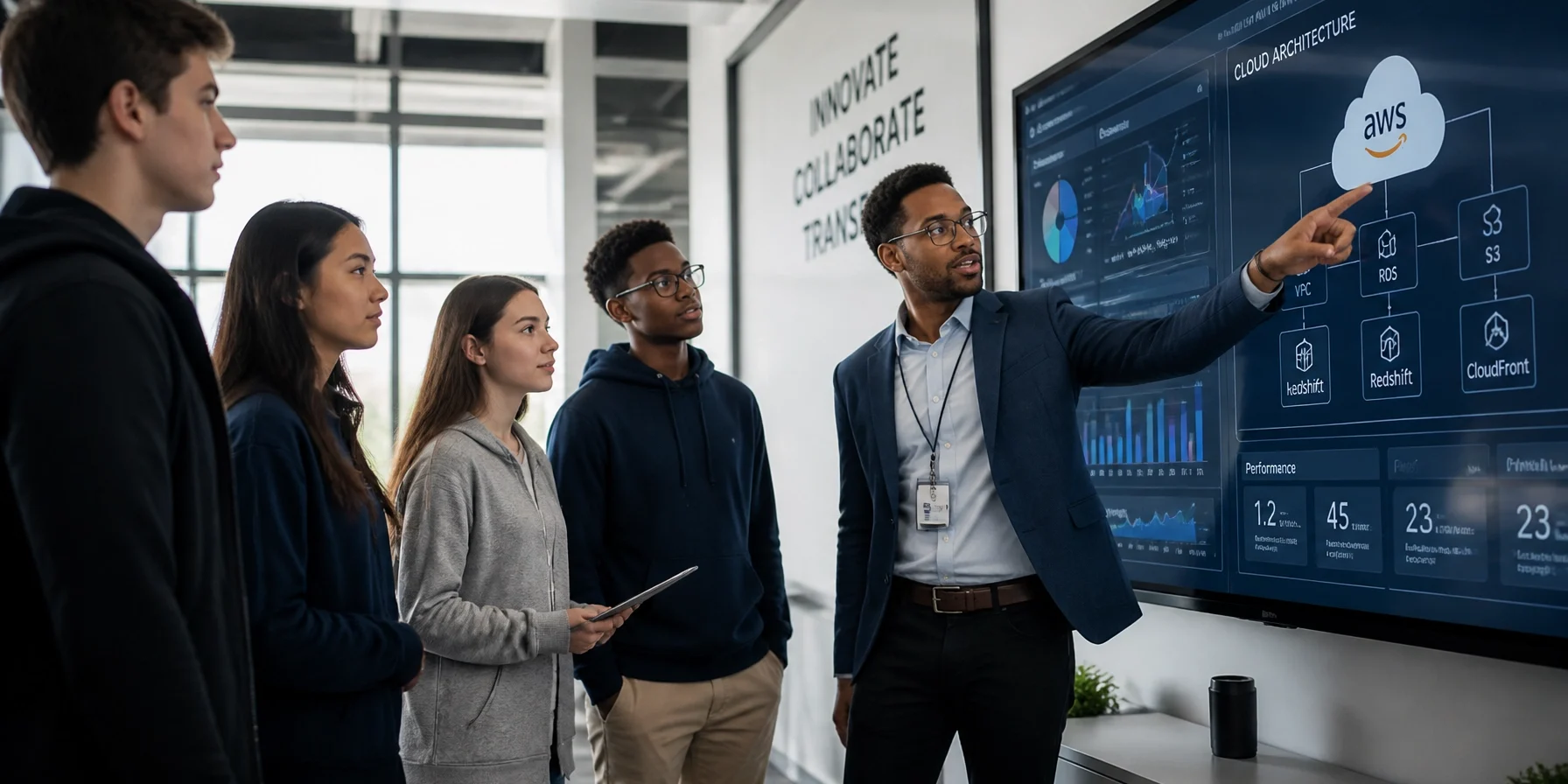
In the rapidly evolving landscape of Cloud computing, Artificial Intelligence (AI), and Data Analytics, the competition for skilled talent has reached a fever pitch. Traditional recruitment strategies, which typically focus on university graduates and seasoned professionals, are no longer sufficient to meet the surging demand. Forward-thinking organizations are now looking further upstream, recognizing that the "Next-Gen Talent Funnel" begins much earlier than previously thought.
The reality of today’s workforce is that the skills gap in emerging technologies is widening. According to recent industry data, more than 75% of high school students utilized generative AI during the 2024–2025 school year. This baseline of digital fluency presents a unique opportunity for businesses to cultivate a specialized workforce before they even set foot on a college campus. By establishing strategic high school partnerships, companies can secure a pipeline of talent that is not only technically proficient but also deeply aligned with their corporate culture and specific technological needs.
The Shift from Traditional Recruitment to Early Intervention
For decades, the standard path for securing technical talent was a four-year degree followed by an entry-level position. However, the pace of innovation in AI and Cloud architecture often outstrips the speed of academic curriculum updates. This has led to a "readiness gap" where even university graduates require extensive on-the-job training.
High school partnerships allow companies to intervene earlier, influencing curriculum development and providing students with exposure to industry-grade tools. This "classroom-to-career" model is already gaining traction. For instance, at least 19 public high schools across states like Maryland, Georgia, and California have already implemented AI-specific Career and Technical Education (CTE) programs. By engaging with these programs, businesses can help shape the very skills they intend to hire in the future.

Why High Schools Are the New Frontier for Cloud and AI
The benefits of early talent cultivation are measurable and significant. From cost savings to long-term employee loyalty, the strategic advantages are clear.
1. Lower Acquisition Costs and Higher Retention
The cost of hiring a senior AI professional in a competitive market can be astronomical. Recent studies indicate that building talent through early-stage pipelines: such as internships and school-to-work pathways: can lead to a 20% to 40% lower cost-per-hire. Furthermore, employees who enter a company through these specialized pathways often exhibit higher retention rates, as they feel a greater sense of investment and loyalty to the organization that supported their early development.
2. Precise Skill Alignment
High school partnerships allow for "micro-internships" and project-based learning. Companies can design 10-hour virtual projects or short-term hackathons that focus on specific cloud architecture or data cleaning problems. This serves two purposes: it identifies high-potential students and ensures they are learning the specific technologies: such as AWS Cloud Practitioner or Python for data science: that the business actually uses.
3. Strengthening the National Tech Ecosystem
Beyond individual corporate benefits, these partnerships contribute to a broader social good. At USA Entertainment Ventures LLC, we recognize that building a resilient national AI workforce is essential for economic stability. High school programs, particularly those supported by industry leaders, provide equitable access to high-paying tech careers, bridging the digital divide and fostering a diverse talent pool.
Lessons from Specialized Recruitment Models
The concept of early and specialized talent pipelines is not entirely new. The Department of Defense (DoD) SkillBridge program, for example, serves as a blueprint for how structured transitions and early engagement can solve critical talent shortages. By providing service members with the opportunity to gain valuable civilian work experience during their last 180 days of service, the program creates a seamless talent transfer.
Businesses can apply similar logic to high school partnerships. Just as the DoD SkillBridge recruitment model focuses on identifying and training individuals with a strong foundational discipline, high school partnerships focus on identifying and training digital natives. Organizations that master these specialized recruitment tracks, often managed through professional Human Resources consulting services, are better positioned to dominate their respective markets.

Practical Steps to Implementing a High School Talent Funnel
Transitioning to an early-intervention model requires a strategic approach. It is not merely about guest speaking at a career day; it requires a formal, structured commitment.
- Identify Core Entry-Level Roles: Determine which Cloud or AI roles can be filled by junior talent with specific certifications. Not every role requires a Master's degree; many entry-level data analytics positions can be handled by individuals with specialized CTE training.
- Establish Formal MOUs: Create Memorandums of Understanding (MOUs) with local school districts or STEM magnet schools. These documents should outline the commitment from both sides, including curriculum sponsorship, mentorship hours, and access to cloud credits or de-identified datasets.
- Audit Local CTE Programs: Many schools already have the infrastructure for computer science or cybersecurity. Determine how your organization’s needs can "plug into" existing programs to minimize implementation costs.
- Leverage Professional Management: Developing these pipelines can be complex. Partnering with management experts who understand both business development and recruitment can ensure the program is scalable and legally compliant.
The Future of Talent is Younger Than You Think
As we look toward 2030, the organizations that will lead the AI and Cloud revolution are those that started building their talent pipelines today. The "Next-Gen Talent Funnel" is no longer a theoretical concept; it is an active, vital strategy being deployed by industry leaders to bypass the traditional, overcrowded recruitment bottlenecks.
By investing in high school partnerships, you are not just filling a vacancy; you are cultivating an ecosystem. You are ensuring that when the next major technological shift occurs, you already have a workforce that is trained, ready, and integrated into your vision.

The opportunity to secure the future of your company’s technical infrastructure lies in the classrooms of today. It is time to move beyond the traditional resume search and start building the talent you need from the ground up. Explore our career opportunities and consulting services to see how we are reshaping the future of recruitment and management.





