
The landscape of corporate motivation has undergone a fundamental shift. In 2026, the traditional levers of employee engagement: surface-level perks, standard bonuses, and generic "employee of the month" programs: no longer drive the results required by Fortune 100 enterprises. According to longitudinal analysis of over 20 million workforce responses, the primary drivers of engagement have shifted from a desire to "feel valued" toward a demand for "confidence in leadership and change-management effectiveness."
For executives navigating this transition, the challenge is clear: how do you foster a workforce that is not just present, but intrinsically motivated to navigate rapid technological shifts? The answer lies in a sophisticated combination of data analytics, specialized education, and a commitment to future-ready frameworks. This guide outlines the essential steps to modernizing your workforce motivation strategy, starting with the most critical intervention.
The Data-Driven Reality of Modern Motivation
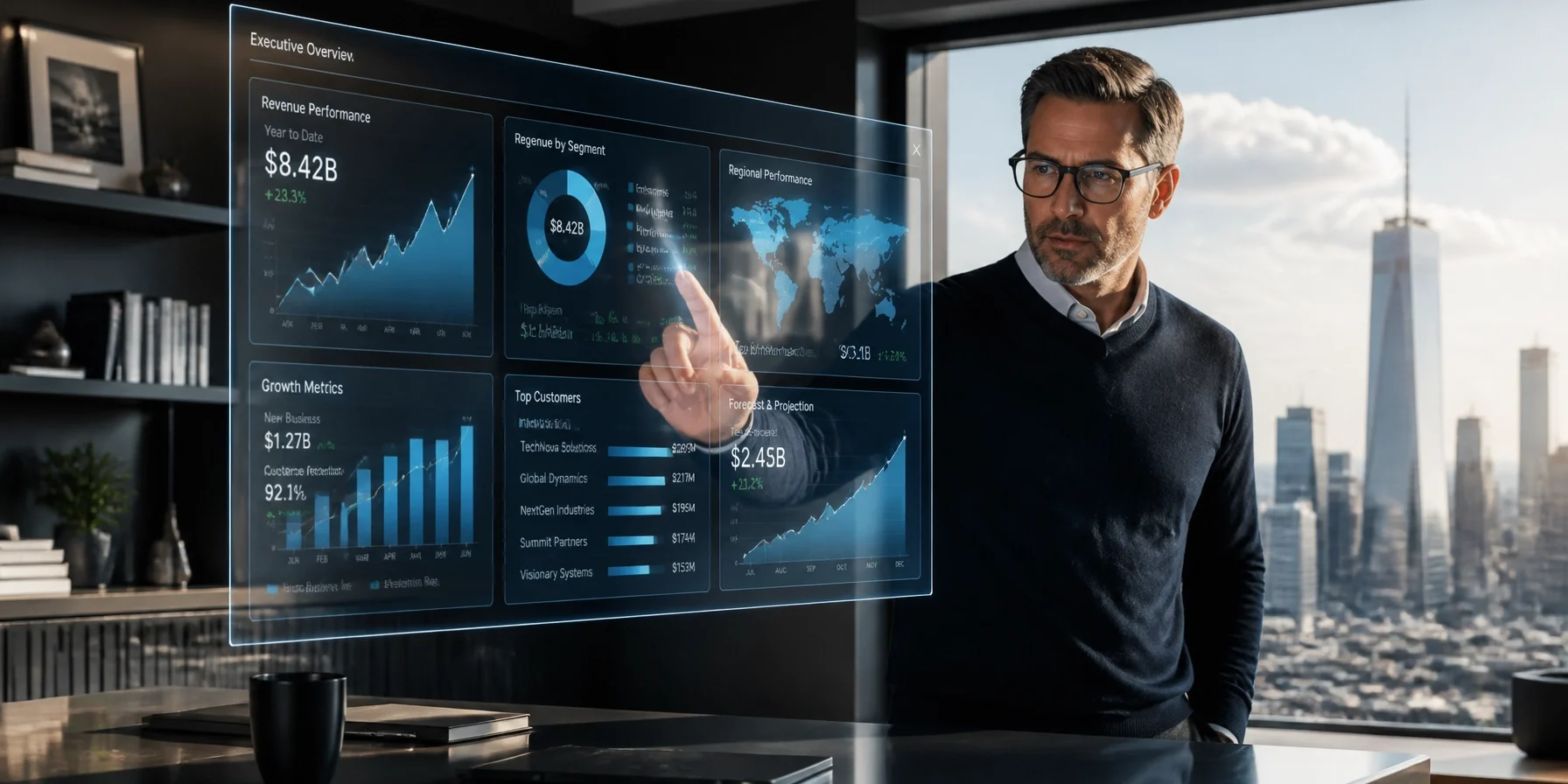
To motivate a workforce at scale, leadership must first move beyond intuition. Modern Fortune 100 strategies are built on a foundation of data-driven wellbeing and performance analytics. When an organization utilizes high-fidelity data analytics dashboards, it can distinguish between "intent to stay" and "intrinsic motivation." This distinction is vital; in a tightening labor market, many employees may "job hug": staying in a role due to economic uncertainty rather than true engagement.

Data from Great Place To Work indicates that at the 2026 Fortune 100 Best Companies, employees report psychological and emotional health levels at approximately 81%, compared to just 56% in typical workplaces. This 25-point gap isn't accidental; it is the result of leadership teams using real-time dashboards to monitor psychological safety and trust. When these metrics are visible, executives can take targeted actions to reinforce a "Future Ready" environment.
By implementing transparent data systems, companies have seen a 21% increase in profitability and an 18% boost in productivity. The primary "first step" for any executive is to audit their current listening platforms. Are you tracking simple satisfaction, or are you measuring the trust required to embrace AI and organizational change? To avoid common pitfalls in this transition, review our 7 mistakes you’re making with workforce strategy to see how data-driven insights can course-correct your approach.
NIL Education: The New Talent Frontier
The concept of Name, Image, and Likeness (NIL) was once reserved for the world of collegiate athletics. However, in 2026, the principles of NIL have permeated the corporate talent funnel. Future-ready employees increasingly view themselves as individual brands. They are not just seeking a paycheck; they are seeking to understand how their personal brand aligns with and is enhanced by their employer’s reputation.
NIL education within a corporate context involves teaching employees how to manage their professional digital presence and personal brand ownership. This is not about encouraging employees to leave for influencer careers; rather, it is about fostering a sense of ownership and agency. When employees understand the value of their own professional "NIL," they become more invested in the quality of their work and the visibility of their successes.
This trend is particularly prevalent in the next-generation talent funnel. Emerging talent: the students currently in high-tech educational environments: are being trained to think like entrepreneurs. Organizations that ignore this shift will find themselves unable to recruit top-tier graduates. By integrating NIL education into internal development programs, companies can position themselves as partners in an employee's long-term career narrative, rather than just temporary stops on a resume.
Media Literacy as a Core Competency
The ability to critically evaluate and utilize information is no longer a soft skill; it is a critical business outcome. Media literacy in the 2026 workforce serves both as a defensive and offensive tool. Defensively, a media-literate workforce is resistant to misinformation and can navigate complex digital ecosystems without falling prey to security risks or brand-damaging errors. Offensively, media literacy allows employees to communicate more effectively in a fragmented digital landscape.

Fortune 100 leaders are increasingly investing in literacy programs that cover AI, data, and digital communication. World Economic Forum findings suggest that analytical thinking and big-data literacy will remain among the most in-demand skills through 2027. By providing this education, organizations satisfy the employee's desire for upskilling while simultaneously protecting the company's intellectual and brand assets.
Education in these areas creates a "psychologically safe" environment where employees feel equipped to handle the rapid introduction of new tools, such as generative AI. Research shows that employees are 2.5 times more likely to adopt AI when leaders provide the literacy training necessary to understand how these tools help their careers. This transparency bridges the gap between fear of replacement and the motivation to innovate.
USA Entertainment Ventures: An Anchor for 'Future Ready' Schools
To ensure a sustainable pipeline of motivated, literate talent, corporations must look beyond their own walls. This is where the "Future Ready Schools" framework becomes an essential strategic asset. This research-based model focuses on transforming K-12 education through digital learning, community partnerships, and robust data privacy.
USA Entertainment Ventures LLC serves as a vital anchor in this ecosystem. By bridging the gap between Fortune 100 workforce standards and educational frameworks, we help schools align their curricula with the actual needs of modern business. Our involvement in Future Ready initiatives ensures that the next generation graduates with the media literacy, NIL awareness, and data fluency required to hit the ground running.

For a corporation, partnering with such frameworks is not just philanthropy; it is strategic talent development. It allows a company to influence the "gears" of the Future Ready framework: specifically Community Partnerships and Curriculum: to ensure that the skills being taught today are the skills needed in the boardroom tomorrow. For more details on this integration, consult the ultimate guide to Fortune 100 workforce strategy.
Actionable Takeaways: Do This First
If you are looking to revitalize your workforce motivation strategy, the path forward involves several clear, achievable steps. While systemic change takes time, the "first step" is always grounded in assessment and alignment.
- Deploy a 'Trust and Change' Diagnostic: Before launching new perks, use a data analytics dashboard to measure current levels of confidence in leadership. Understand where the "job hugging" is happening and identify the specific departments where psychological safety is lagging.
- Audit Your Literacy Offerings: Shift from generic training to "Future Ready" literacy. This includes AI-readiness, data fluency, and media literacy. Ensure these programs are not just videos, but interactive, project-based workshops that mirror the collaborative environments found in top-tier schools.
- Introduce 'Internal NIL' Workshops: Start a conversation about personal brand ownership. Teach your employees how their personal professional success contributes to the company's brand power. This builds agency and long-term loyalty.
- Connect with the Educational Pipeline: Identify a local "Future Ready" district and explore how your organization can serve as a community partner. This creates a visible commitment to the future that resonates with current employees and attracts new ones.
Conclusion: A Future-Focused Strategy
Motivation in 2026 is a product of trust, literacy, and future-readiness. By moving away from surface-level engagement and toward data-backed, educational strategies, Fortune 100 companies can build a workforce that is not only capable of change but eager for it.
The integration of media literacy outcomes and NIL education ensures that your talent remains competitive, while anchoring your strategy in frameworks like Future Ready Schools guarantees a continuous influx of high-potential individuals. The future of workforce motivation isn't about what you give your employees( it's about what you enable them to become.)





