
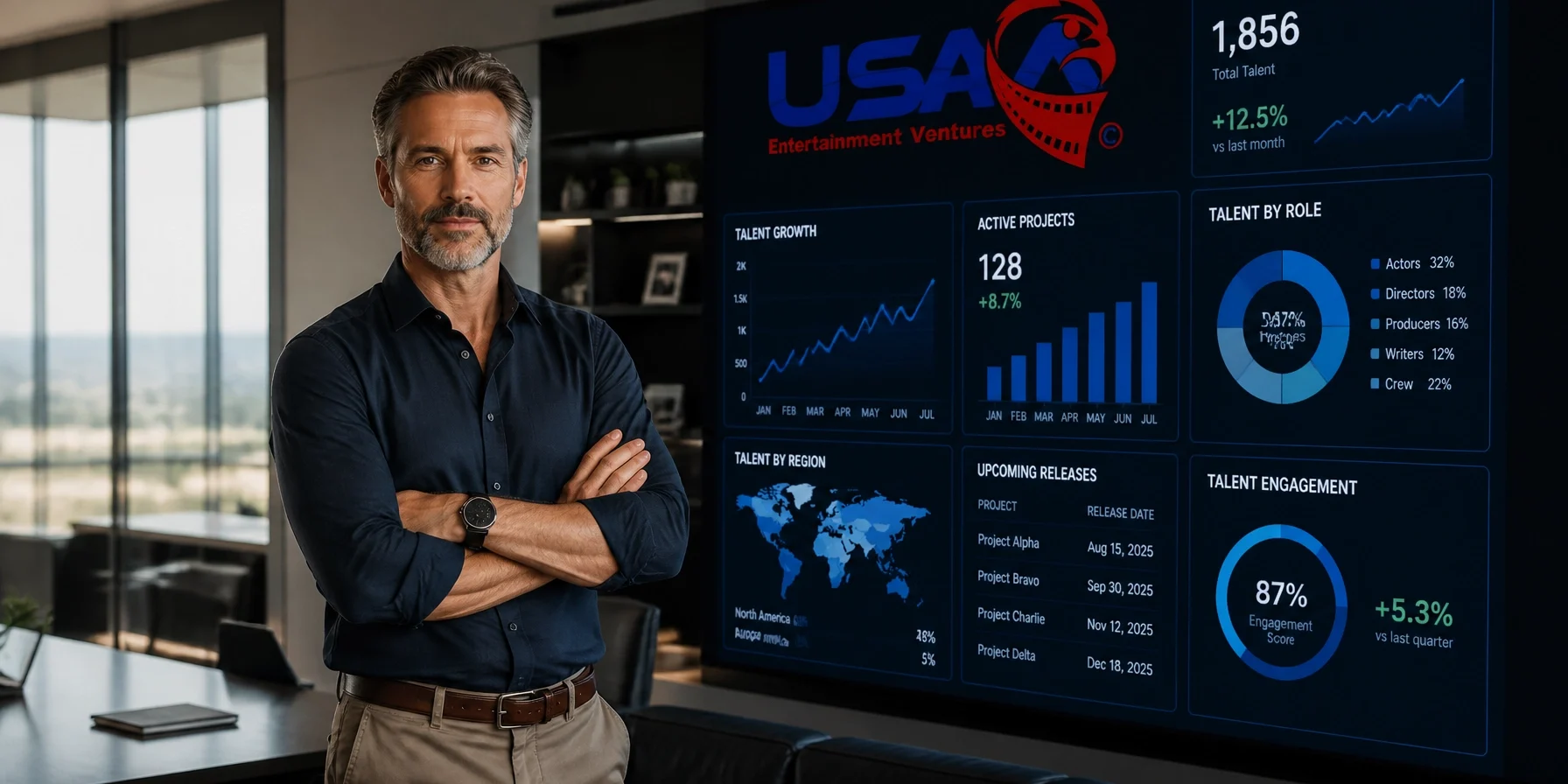
In the current hyper-competitive corporate landscape, the traditional resume is rapidly losing its utility. For Fortune 100 companies, the challenge is no longer just finding talent, but identifying individuals who possess the digital maturity and professional resilience required for the modern workplace. The shift toward data-driven recruitment is not merely a trend; it is a fundamental transformation in how organizations de-risk their hiring processes and build "Future Ready" talent pipelines.
Executives today are increasingly looking toward non-traditional indicators of success. By leveraging real-time data analytics, organizations can now measure competencies that were once considered intangible: such as digital reputation management, media literacy, and financial responsibility. This guide outlines the five essential steps for executives to modernize their talent acquisition strategy using high-signal data.
1. Implement Real-Time Talent Analytics Dashboards
The first step in securing top-tier talent is moving away from static recruitment models. Fortune 100 firms are now adopting real-time talent dashboards that synthesize multiple data streams into a single, actionable view. These dashboards allow recruiters to track candidate progression over several years, providing a longitudinal perspective rather than a snapshot in time.
A robust analytics dashboard should aggregate data from learning management systems, micro-credential platforms, and digital engagement metrics. According to recent industry observations, real-time dashboards are shaping the talent strategy of leading enterprises by allowing them to identify rising talent as early as their sophomore year of university. This longitudinal tracking ensures that by the time a candidate applies, the organization already has a deep understanding of their skill acquisition velocity and professional consistency.
2. Leverage NIL Education as a Proxy for Professional Maturity
The advent of Name, Image, and Likeness (NIL) legislation has created a unique opportunity for corporate recruiters. While NIL is often associated with athletics, the underlying competencies: personal brand management, contract literacy, and financial responsibility: are directly transferable to the corporate environment.

Executives should view NIL education as a microcosm of modern work. Students who successfully navigate the NIL landscape demonstrate a high level of professional maturity. They understand the importance of aligning their public persona with organizational values and managing their "personal brand" as a professional enterprise. By tracking participation and completion of NIL education modules, companies can identify candidates who are already fluent in reputation management and digital risk: skills that are critical in consumer-facing Fortune 100 roles.
3. Verify Media Literacy to Mitigate Brand Risk
In an era of rapid information dissemination and digital misinformation, media literacy has become a non-negotiable competency. For a Fortune 100 company, a single ill-advised post from an employee can lead to significant reputational damage. Therefore, verifying a candidate’s media literacy is a proactive step in risk mitigation.

Modern analytics tools now allow organizations to quantify media literacy through assessments of source evaluation, misinformation detection, and platform-appropriate messaging. By integrating these metrics into the recruitment dashboard, executives can verify a candidate’s ability to discern credible information and understand the long-term implications of their digital footprint. As noted by USA Entertainment Ventures LLC, focusing on these outcomes helps ensure that new hires are prepared to uphold the integrity of the corporate brand in a public-facing digital world.
4. Align with "Future Ready" Schools and Institutions
The most successful talent pipelines are built through strategic partnerships with "Future Ready" educational institutions. These are schools that have moved beyond traditional curricula to integrate analytics, NIL education, and media literacy into their core student development programs.

Fortune 100 companies are increasingly concentrating their investments on institutions that provide verifiable data on student readiness. By acting as an "anchor" for these schools, businesses can co-design curricula and certifications that align with emerging industry needs. This collaboration ensures that the talent coming out of these institutions is already equipped with the technical and digital competencies required by the modern market. This proactive engagement shifts the recruitment model from reactive hiring to intentional pipeline cultivation.
5. Bridge the Gap with Targeted Recruitment Programs
Finally, executives must utilize specialized programs to bridge the gap between academic preparation and professional excellence. One of the most effective methods for securing proven talent is through programs like the DOD Skill Bridge. These initiatives allow companies to recruit military veterans who possess a wealth of leadership experience and technical training.

Integrating veterans into the talent pipeline through data-driven matching ensures a high rate of retention and productivity. The structured nature of military service provides a wealth of data regarding a candidate's performance under pressure, adaptability, and technical proficiency. By applying the same analytics dashboards used for university talent to veteran recruitment, Fortune 100 companies can secure highly disciplined and "Future Ready" talent that is ready to lead from day one.
The Future of Executive Talent Acquisition
The transition to a data-driven talent strategy is no longer optional for organizations that wish to remain competitive. By implementing real-time dashboards, valuing NIL education, verifying media literacy, and partnering with the right institutions, executives can build a workforce that is not only skilled but also resilient and reputation-aware.
The ROI of these initiatives is clear: reduced time-to-hire, lower turnover, and a significant decrease in reputational risk. As we look toward the future, the organizations that prioritize these data-driven insights will be the ones that secure the best talent and maintain their status as industry leaders.
For more information on how to modernize your recruitment strategy, explore how Fortune 100 companies use data analytics dashboards to build future-ready pipelines.





