
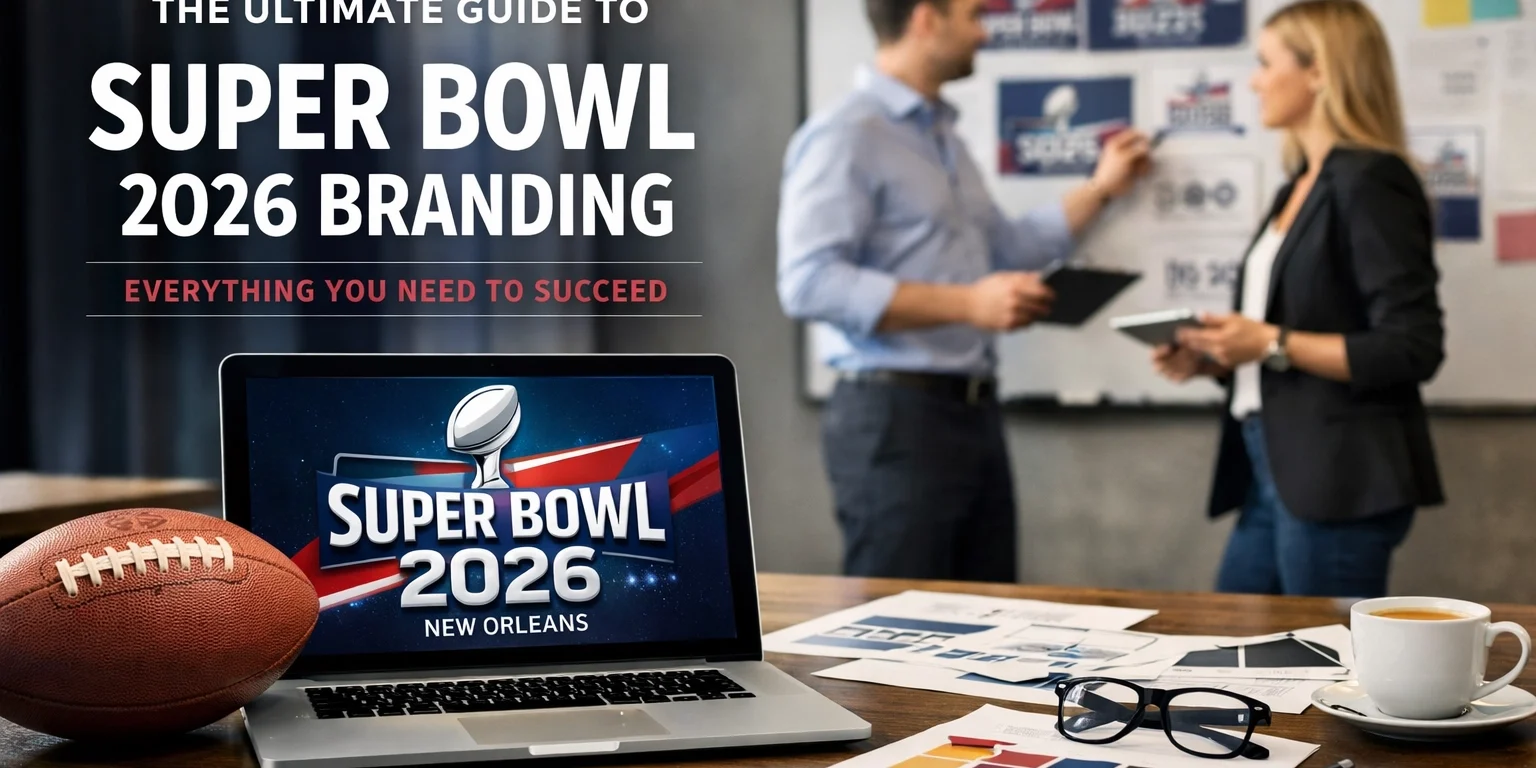
As the calendar flips toward February 2026, the marketing world is already shifting its gaze toward one of the most significant cultural and sporting events on the planet. For businesses, the Super Bowl is no longer just a four-hour window of television commercials; it has evolved into a multi-week ecosystem of digital engagement, physical activations, and strategic storytelling.
At USA Entertainment Ventures LLC, we specialize in helping brands navigate these high-stakes environments. Success in 2026 requires more than a massive budget: it requires a coordinated, multi-phase strategy that bridges the gap between traditional broadcast and modern digital experiences.
The Three-Phase Campaign Framework
The most successful brands in 2026 don’t treat the game as a one-off event. Instead, they execute a "Three-Phase Playbook" that builds momentum long before the kickoff and sustains it long after the final whistle.
Phase 1: The Pre-Game Hype (3-4 Weeks Prior)
The goal of this phase is audience building and "tagging." By releasing teaser content and engaging in social listening early, brands can build retargeting pools. This allows you to serve high-impact content specifically to users who have already shown interest in your brand’s Big Game narrative.
During this time, physical touchpoints: like personalized game-day kits or early-access digital content: create a sense of exclusivity. This is the time to "prime the pump" so that your actual game-day spend works twice as hard.
Phase 2: Game Day Execution (February 8, 2026)
This is the moment of peak volume. Winning brands use an omnichannel approach, ensuring that their message is consistent across national broadcasts, social media feeds, and local activations. The key here is visibility in "transition moments": those times when fans are checking their phones during commercials or moving between venues.
Phase 3: Post-Game Momentum (30-60 Days Post-Game)
Perhaps the most overlooked phase is the 60-day window following the game. The massive traffic spike from a Super Bowl activation creates a goldmine of data. By leveraging retargeting efforts, brands can convert "game day fans" into "long-term customers," extending the ROI of the campaign well into the spring.

Creative Excellence: Clarity Over Complexity
In a high-noise environment like the Super Bowl, simplicity is your greatest asset. Industry data from 2026 shows that the most memorable campaigns are those that can be explained in a single sentence. If your concept takes more than ten seconds to grasp, you risk losing an audience that is constantly being pulled in multiple directions.
While celebrity endorsements remain a staple, they are only effective when they feel authentic. Consumers are increasingly looking for storytelling and narrative depth. Brands like Diageo have found success by integrating their products into broader culture: think Smirnoff’s fashion-forward collaborations or Captain Morgan’s interactive fan challenges. The goal is to make the advertisement feel like a part of the cultural conversation rather than a commercial interruption.
Real-Time Agility: The Brand "War Room"
The days of "set it and forget it" advertising are over. To succeed in 2026, your brand needs a "war room" mentality. This means having pre-developed creative assets ready for every possible scenario:
- A blowout victory for the favorite.
- A nail-biting overtime finish.
- A viral, unexpected halftime moment.
- Power outages or technical glitches.
By preparing standby assets, brands can pivot their messaging in seconds. This real-time agility makes your brand feel present and engaged in the live narrative, which significantly boosts brand sentiment and recall.

Strategic Distribution: Beyond the $7 Million Spot
While the national broadcast spot is the crown jewel, it isn't the only way to win. In fact, many successful brands now diversify their spend across multiple channels to capture different demographics:
- Connected TV (CTV): Precise demographic targeting allows you to reach cord-cutters who are streaming the game.
- Social Platforms: YouTube and Meta remain essential for broader digital reach and "second screen" engagement.
- Regional Markets: For brands with specific geographic focuses, regional spots offer higher efficiency and lower entry costs.
- OOH (Out-of-Home): Strategic citywide deployment in the host city transforms metropolitan areas into immersive brand ecosystems.

The Power of OOH and Environmental Strategy
Transition moments: at airports, transit stations, and major thoroughfares: are where message retention is statistically highest. Why? Because during these times, the audience is actively seeking information or entertainment.
Integrating digital and physical elements, such as QR codes or NFC touchpoints, allows fans to interact with your brand on the move. For a deeper dive into how fans experience these environments, check out The Fan Experience Guide to Super Bowl 2026.
Newsletter: The Super Bowl Playbook – Sports Media's Advertising Strategy
To stay ahead of the curve, it is essential to understand the underlying mechanics of sports media. Our newsletter, The Super Bowl Playbook, breaks down the complex strategies used by the world's leading advertisers.
Watch the video below to learn more about how sports media is evolving and what it means for your brand’s strategy in 2026:
https://www.youtube.com/watch?v=l6J-0zileKE
Navigating the Legal Landscape
Branding for the Big Game requires a careful legal touch. The NFL is famously protective of its trademarks. To avoid costly legal issues, brands must follow strict naming conventions.
- Avoid: Using the terms "Super Bowl," "Super Sunday," specific team names, or official NFL logos unless you are an official sponsor.
- Use: Phrases like "The Big Game," "Football Sunday," or general football-themed imagery.
- Focus: On the experience of the game: the snacks, the gathering, and the excitement: rather than the specific trademarks of the league.
Actionable Takeaways for Your 2026 Strategy
If you want to maximize your ROI for Super Bowl 2026, start implementing these practical steps today:
- Start Early: Begin your campaign at least four weeks before the game to build your retargeting audiences.
- Ensure Consistency: Your OOH, digital, and experiential channels must deliver a unified message.
- Prioritize Simplicity: Test your creative. If it can't be understood in under 10 seconds, simplify it.
- Prepare for the Unexpected: Build a library of "what if" creative assets to allow for real-time reaction.
- Look Beyond Game Day: Treat the event as a multi-week campaign. The real conversion often happens in the 30 days after the trophy is hoisted.
Moving Forward with USA Entertainment Ventures LLC
The landscape of sports branding is shifting toward a more integrated, data-driven, and agile future. At USA Entertainment Ventures LLC, we believe that these challenges represent massive opportunities for brands willing to innovate. By combining traditional storytelling with modern distribution and real-time agility, your brand can do more than just show up: it can win.
As we look toward 2026, the question isn't just whether you will be part of the conversation, but how you will lead it. Strategic preparation starts now. For more information on our consulting services and how we can help you build a winning strategy, visit our about page.





