
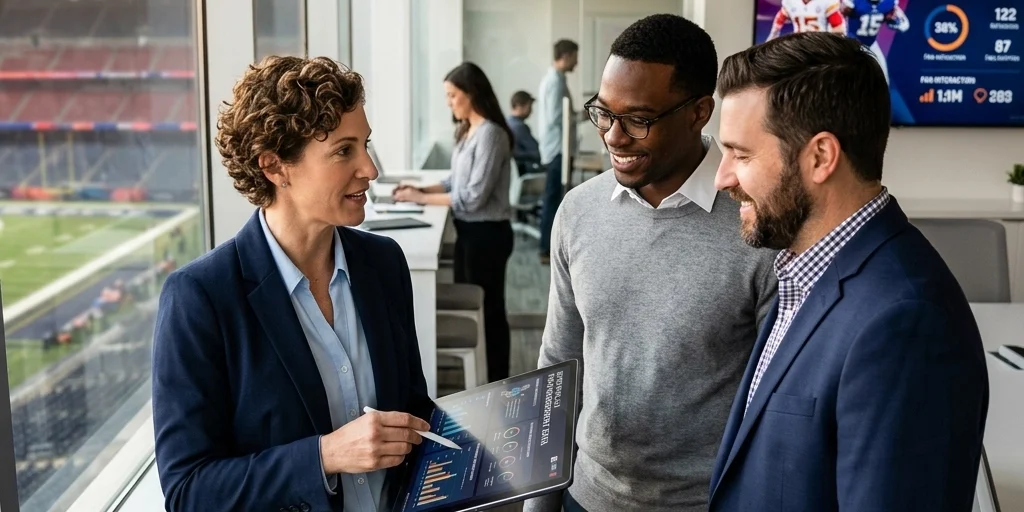
The Super Bowl is no longer just a game; it is a global cultural phenomenon that commands the attention of over 100 million viewers. As we reflect on the recent spectacle of Super Bowl LX at Levi’s Stadium in Santa Clara, California, one thing has become abundantly clear: the traditional playbook for fan engagement has been completely rewritten. In an era where digital noise is at an all-time high, the brands that stood out were those that mastered the art of tangible, multi-sensory experiences.
At USA Entertainment Ventures LLC, we specialize in navigating these complex shifts in the entertainment and business landscape. Whether you are a blue-chip sponsor or an emerging brand looking to make a mark, understanding the mechanics of fan connection is the key to ROI. This guide explores the strategies that defined Super Bowl 2026 and provides a roadmap for future success in high-stakes sports marketing.
The Evolution of the Fan Experience
For decades, Super Bowl success was measured by the price of a 30-second television spot. While broadcasting remains a titan: especially with the dual-platform reach of NBC and Peacock in 2026: the real battle for attention has moved to the physical and digital peripherals. Fans today demand more than just a broadcast; they want immersion.
The 2026 season saw a significant shift toward "phygital" engagement: the seamless blend of physical presence and digital interaction. From the Super Bowl Experience at the Moscone Center to the high-tech corridors of Levi’s Stadium, the objective was the same: create a connection that lasts longer than the final whistle.

Creating Connections: Tangible Fan Experiences
In our latest edition of the Creating Connections newsletter, we emphasized that the most powerful marketing doesn't just speak to the audience; it touches them. Tangible experiences: things fans can see, feel, and interact with: create neural pathways that digital-only ads simply cannot replicate.
During the festivities in San Francisco and Santa Clara, the most successful activations focused on sensory engagement. Think about the roar of the crowd, the specific lighting of a brand pavilion, and even the physical feel of premium merchandise.
To see these concepts in action, watch our deep dive into the tangible fan experiences that set the gold standard this year:
https://www.youtube.com/watch?v=l6J-0zileKE
Why Physical Touchpoints Matter
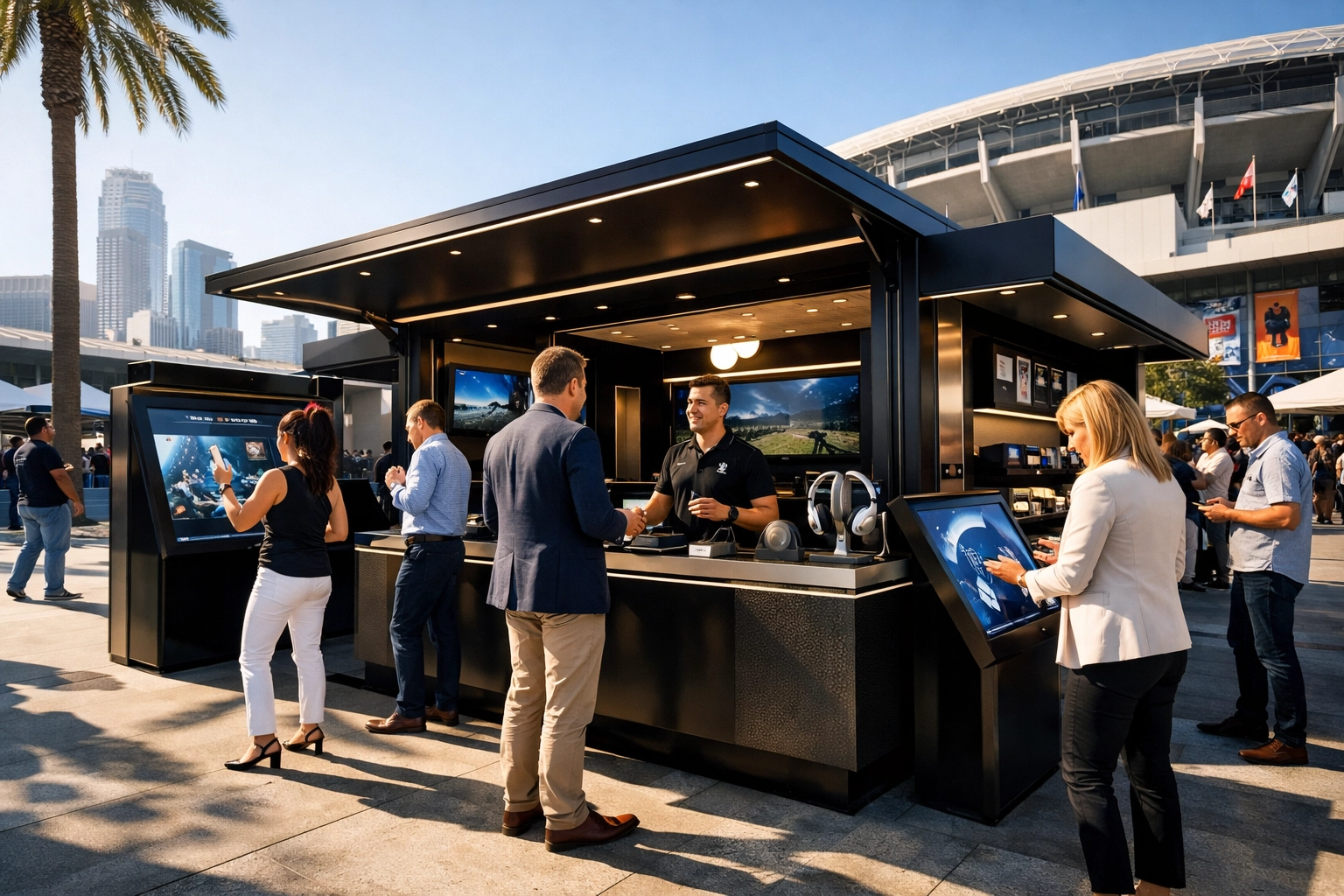
In a world of ephemeral scrolling, physical items and locations provide a "social anchor." When a fan interacts with a mobile billboard or a high-tech pop-up shop, they are more likely to share that experience on social media, effectively becoming a brand ambassador. This is a core pillar of our work at Mobile HWY Ads, where we turn transit into a storytelling canvas.
Avoiding Common Pitfalls: The Video Strategy
One of the biggest mistakes brands made during Super Bowl 2026 was failing to integrate their video strategy across multiple channels. A great commercial is wasted if it doesn't have a life on social media, at the live events, and in post-game recaps.
We’ve identified several recurring errors that can derail even the most expensive campaigns. If you find your engagement numbers aren't hitting the mark, you might be falling into these traps. Check out our comprehensive analysis: 7 Mistakes You’re Making with Super Bowl Advertising and the Video Strategy to Fix Them.
Data-Driven Insights
Industry data suggests that brands using integrated video strategies: combining short-form social content with long-form storytelling: saw a 40% higher brand recall compared to those that focused solely on the television broadcast. Experts agree that the halftime show, headlined in 2026 by the global icon Bad Bunny, provides a unique peak in digital traffic that brands must be prepared to capture in real-time.
The Power of Strategic Partnerships
Success at the Super Bowl level rarely happens in a vacuum. It requires a network of collaborators, from logistics experts to media powerhouses. At USA Entertainment Ventures LLC, we bridge the gap between business consulting and entertainment execution.
For instance, our work with Buy Sports Media allows brands to navigate the complex world of ad placements with precision. By leveraging data-driven placement, brands can ensure their message reaches the right demographic at the right time, whether they are watching at home or attending the Pro Bowl Games at the Moscone Center.

Sustainability and Innovation in Fan Engagement
Modern fans, particularly Gen Z and Millennials, are increasingly conscious of the environmental impact of major events. Super Bowl 2026 saw a rise in "green" activations. Brands that aligned themselves with sustainability: such as using eco-friendly packaging like Pure Box Water: received significantly more positive sentiment in social media listening reports.
Sustainability is not just a trend; it is a business imperative. Integrating these values into fan engagement strategies helps build long-term trust and loyalty. It moves the conversation from "What are you selling me?" to "What do you stand for?"
Navigating the Digital Landscape: Social Media and Real-Time Interaction
While the physical experience is paramount, the digital layer is what scales the message. During the Seahawks' victory over the Patriots, the real-time engagement on platforms like X (formerly Twitter), TikTok, and Instagram was unprecedented.
Best Practices for Digital Engagement:
- Real-Time Response Teams: Have your creative team ready to react to game-time moments (memes, controversial plays, or halftime show highlights).
- Influencer Integration: Use influencers who are actually on the ground in Santa Clara to provide a "behind-the-scenes" look.
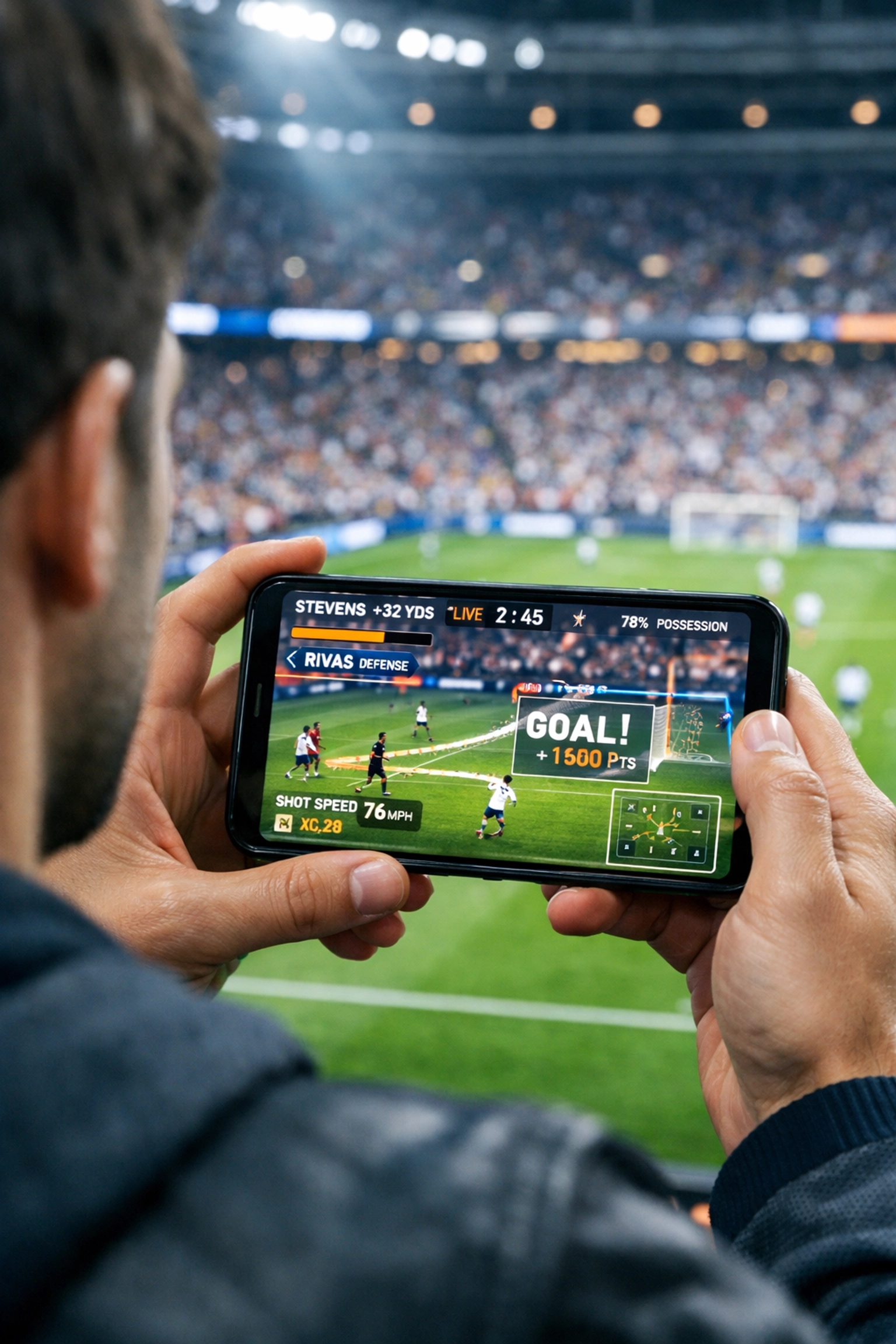
- Interactive Polls and AR: Use augmented reality filters that fans can use inside the stadium or at home to "try on" gear or participate in mini-games.
Expert Perspectives on the Future
"The Super Bowl is the ultimate proving ground for brand relevance," says Dan Kost, CEO of USA Entertainment Ventures LLC. "If you aren't creating a multi-dimensional experience that spans from the physical world to the digital realm, you are leaving engagement: and money: on the table."
As we look toward the future of sports marketing, the emphasis will continue to shift toward personalization. AI-driven fan experiences, personalized merchandise created on-demand, and immersive VR broadcasts are no longer science fiction; they are the next frontier.

Actionable Takeaways for Your Brand
To succeed in the wake of Super Bowl 2026, brands should consider the following steps:
- Audit Your Video Strategy: Ensure your content is optimized for various platforms, from giant stadium screens to mobile devices.
- Invest in Physical Touchpoints: Don't rely solely on digital ads. Explore mobile billboards, pop-up events, and tangible merchandise.
- Prioritize Sustainability: Align your brand with eco-friendly initiatives to resonate with the modern consumer.
- Leverage Professional Consulting: Navigate the complexities of the sports entertainment world with experts who understand the landscape. Explore our Business Category for more insights.
Conclusion: The Road Ahead
Super Bowl 2026 was a masterclass in how modern entertainment operates. It was a blend of high-octane sports, world-class musical performance, and cutting-edge marketing technology. For businesses, the lesson is clear: engagement is about more than just views; it is about creating meaningful, tangible connections that resonate on a human level.
As we move forward, the strategies developed for this massive event will trickle down into all aspects of marketing and business consulting. By focusing on the fan experience first, brands can ensure they remain relevant in an increasingly crowded marketplace.
For more information on how to elevate your brand’s presence in the entertainment world, visit our projects page or reach out to us at USA Entertainment Ventures LLC. The future of fan engagement is here, and it’s more exciting than ever.





